
Home · Politics · Oct 9 archive
Supreme Court Hears Major Climate Liability Case
Confirmed
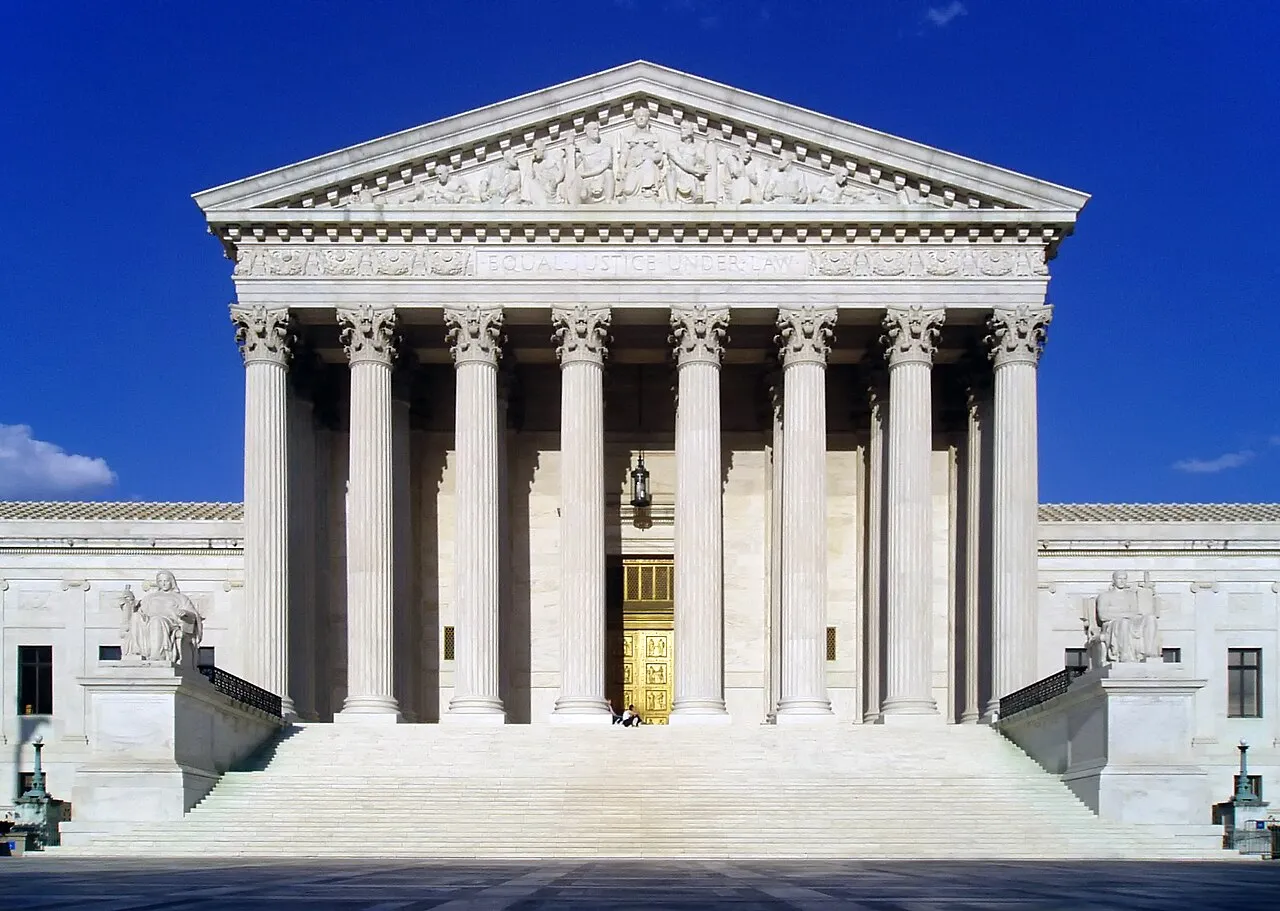
In Short: The U.S. Supreme Court heard arguments on Oct. 5, 2026, in Suncor Energy v. County Commissioners of Boulder County, which could determine whether state and local governments can sue energy companies for climate-related damages.
On Oct. 5, 2026, the U.S. Supreme Court heard arguments in Suncor Energy v. County Commissioners of Boulder County, a case that could determine whether state and local governments can sue energy companies for climate-related damages.
Boulder County and the city of Boulder sued ExxonMobil and Suncor Energy under Colorado law, seeking compensation for local costs associated with climate change.
The case has drawn scrutiny from Republicans, who argue Colorado officials are using the court system to push their environmental agenda.
Justice Samuel Alito recused himself from the case, leaving the court with eight justices.
The Trump administration also appeared before the Court in support of the companies' position.
Nearly 60 similar lawsuits are pending across the country, with state and local governments seeking damages from oil and gas companies for alleged climate-related harms.
The Supreme Court's eventual ruling could determine whether these lawsuits can proceed under state law.
The Court agreed to hear the case on Feb. 23, 2026, after Exxon and Suncor appealed the Colorado Supreme Court's decision.
The issue arises because the Colorado Supreme Court's decision came before trial, while the U.S. Supreme Court typically reviews state court cases after a final judgment.
The Court's decision could have significant implications for future efforts to recover climate-related damages from fossil fuel producers.
The case has been sent back and forth between state and federal courts since 2018.
In 2019, a federal judge in Denver sent the case back to state court.
Background
On Monday, the U.S. Supreme Court heard arguments in a major climate liability case, Suncor Energy v. County Commissioners of Boulder County, which could determine whether state and local governments can sue energy companies for damages related to climate change.
The Supreme Court began its new term with a high-profile case on whether federal or state courts should handle climate change lawsuits.
What's confirmed
- Justice Samuel Alito recused himself from the case.
- Supreme Court is set to consider whether a Colorado lawsuit seeking to hold energy companies financially responsible for climate change impacts may proceed under state law (Docket No.
- The Supreme Court revealed Monday that Alito will not participate in Suncor Energy v. County Commissioners of Boulder County, a lawsuit that could open the door to billions in climate-related claims against oil companies and influence dozens of similar cases.
What's still developing
- The gunmakers urged the Supreme Court to take up the case and reverse the ruling, saying the 4th Circuit’s decision is “egregiously wrong” and warning it could open the door to broad lawsuits against weapons manufacturers for their marketing.
- The Supreme Court will consider whether laws in Connecticut and Cook County, Illinois, which ban various semiautomatic rifles, including popular AR-15 firearms, violate the constitutional right to bear arms.
- The victims of the 2022 shooting initially declined to respond to the petition filed to the Supreme Court, but the high court requested a response from them earlier this month.
- The Supreme Court has generally shielded gunmakers from broad claims of liability for how their firearms are used by individuals, including by tossing a lawsuit brought by Mexico against a group of gunmakers claiming they were aiding and abetting gun sales, which were being funneled to drug cartels.
- The Buckeye Institute President and CEO Robert Alt tells Fox News Digital about John Ream's challenge to a longstanding prohibition on producing distilled spirits at home and the case now pending before the U.S. Supreme Court.
- "What they're doing is they're going around to these cities and these states, and using tort litigation, mass tort litigation, public nuisance lawsuits in state courts, and in a coordinated way to effectuate the same kind of a result, but just without having to go through their democratically elected officials," Steve Cox, former Alaska attorney general and current counsel to Alaska Gov. Mike Dunleavy, said in a Tuesday conference call.
- "It's a fight about whether we're going to allow this maneuver to be what reshapes American society, and that's why I think everybody should care, irrespective of their views on climate change or their views on how to fix this problem or that problem. Do you want courts as our primary policymakers?"
- "At the same time, he made that decision knowing all of that and based on his own personal considerations, and we will never know all of the details of that. At the end of the day, it does not help the court to not have their full complement, but it is also not something that we think will be dispositive of the case, and it's not something that we think is noteworthy, other than that he made that decision based on his own considerations and didn't do it lightly, and he is making the right choice in his mind," Skinner continued.
- WASHINGTON — Justice Samuel Alito said Monday that he will not take part in a major climate-change lawsuit scheduled to be heard next week by the Supreme Court.
- Supreme Court ethics rules, adopted by the justices in November 2023 after revelations about Justice Clarence Thomas and his undisclosed gifts and travel from Texas billionaire Harlan Crow, leaves decisions about when to recuse from cases entirely at the discretion of the justices themselves.
- The one-sentence announcement from the clerk of the Supreme Court provided no reason for the justice’s recusal.
- Justice Samuel Alito is stepping away from a blockbuster climate case just days before arguments begin, the New York Times reports.