
Home · Politics · Oct 6 archive
Supreme Court Considers Climate Change Lawsuits
Confirmed
In Short: The Supreme Court began its new term on Monday with a case that could set a precedent for climate change lawsuits against oil and gas companies.
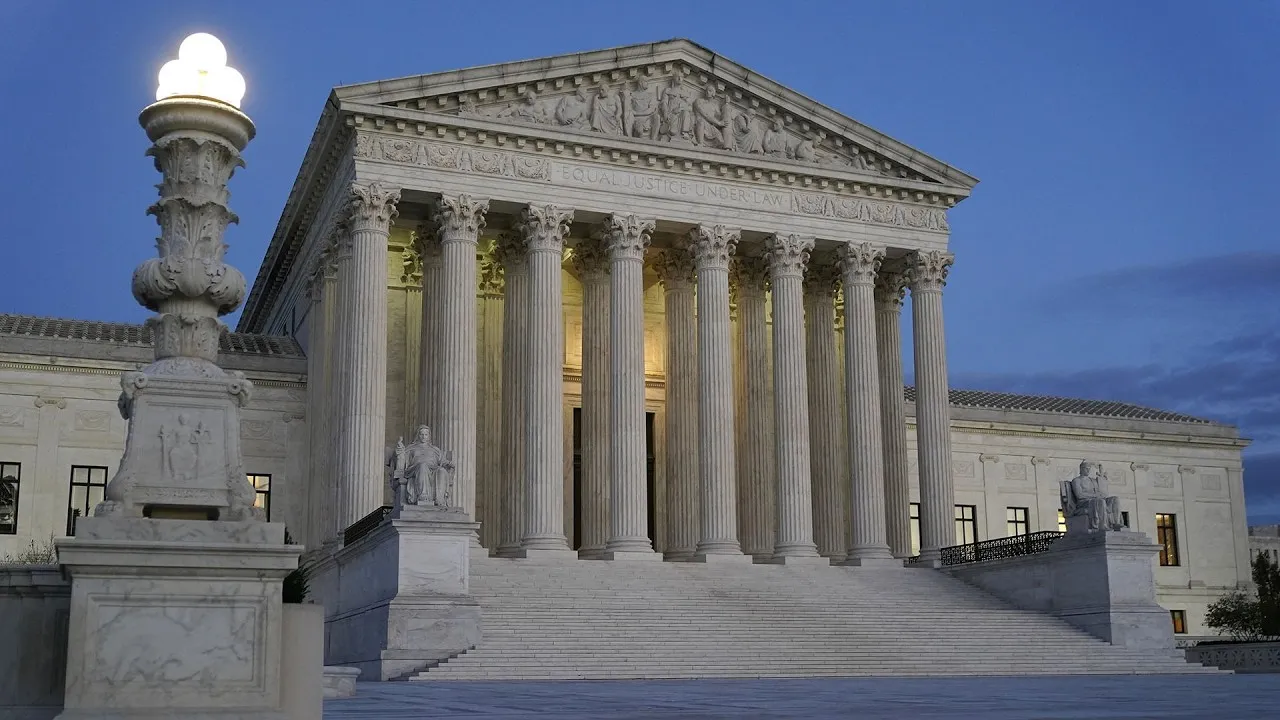
The Supreme Court began its new term on Monday with a case that could set a precedent for climate change lawsuits against oil and gas companies. The case involves Boulder County, Colorado, which is suing Suncor Energy and Exxon Mobil for damages caused by climate change.
Chief Justice John Roberts expressed skepticism about the implications of allowing municipalities nationwide to file similar lawsuits. He warned that if the court allows the case to proceed, “the next day... there will be at least 50” similar lawsuits filed in state courts around the country.
Attorney Kannon Shanmugam, representing the industry, argued that the Boulder case was attempting to use the courts to decide a public policy issue that is properly up to Congress and other elected officials. Shanmugam emphasized that climate change is a pressing issue but that the lawsuit is “exactly the wrong way to go about” addressing it.
Kevin Russell, an attorney representing Boulder, countered that state lawsuits can address damage in Colorado, regardless of where the fossil fuels are produced. He argued that nothing in federal law or the Constitution precludes the suit from proceeding.
Justice Brett Kavanaugh noted that “a wall of precedent” establishes that lawsuits concerning interstate air and water pollution are matters of federal law. However, Justice Sonia Sotomayor pointed out that the high court has allowed similar suits to proceed in state courts.
Justice Ketanji Brown Jackson questioned whether the case had reached the high court too early, noting that the Colorado Supreme Court has not decided other claims the companies have made in state court relating to federal law.
The Trump administration supports the companies, arguing the lawsuits are unconstitutional. Principal Deputy Solicitor General Sarah Harris said Boulder’s case “egregiously exceeds” the state’s authority.
Boulder County officials argue that companies like Suncor and Exxon should be accountable for climate-related disasters. In a statement following oral arguments, attorney Russell said, “Maybe someday Congress will develop a comprehensive scheme to handle climate change costs.”
Brockett, a spokesperson for Boulder County, said, “Today, the U.S. Supreme Court heard the companies’ arguments to stop our case before we ever have our day in court. We are asking the Court to let us have that day, because this is not an abstract issue for Boulder.”
What this adds
The conservative-majority Supreme Court has been skeptical of environmental regulations in the past, including in a 2022 decision limiting the EPA’s authority to regulate carbon dioxide emissions from power plants.
The court's decision could impact similar cases across the country, with dozens of municipalities having tried to sue energy companies in state courts to hold them accountable for climate change damages.
Background
The Supreme Court is weighing whether local governments can sue oil and gas companies for climate change damages.
The Supreme Court formally opens its new term on Monday, with a docket filled with controversial cases ranging from religion and climate change to immigration and gun control.
What's confirmed
- “If you prevail, a municipality in every single state will file a lawsuit,” said Chief Justice John Roberts.
- Attorney Kannon Shanmugam, representing the industry, said the Boulder case was attempting to use the courts to decide a public policy issue that is properly up to Congress and other elected officials.
- “Climate change is certainly one of the most pressing issues” facing the country, but the lawsuit “is exactly the wrong way to go about” addressing it, he said.
- But Kevin Russell, an attorney representing Boulder, argued that state lawsuits can address damage in Colorado, regardless where the fossil fuels are produced.
- Principal Deputy Solicitor General Sarah Harris said Boulder’s case “egregiously exceeds” the state’s authority.
What's still developing
- The conservative-majority Supreme Court has been skeptical of environmental regulations in the past, including in a 2022 decision limiting the EPA’s authority to regulate carbon dioxide emissions from power plants.
- The court's decision could impact similar cases across the country.
- “Given the extraordinary magnitude of these cases,... now is really the time to answer these questions,” he said.
- Since 1908, we’ve aimed “to injure no man, but to bless all mankind,” as our founder, Mary Baker Eddy, put it.
Sources
- Bozeman Daily Chroniclelink
- Christian Science Monitor - CSMonitor.comlink
- Daily Cameralink
- Fox Newslink
- Honolulu Star-Advertiserlink
- Kokomo Tribunelink
- Los Angeles Timeslink
- Mining Weeklylink
- WarpBeat — background on Supreme Court Considers Climate Change Lawsuits link
- WarpBeat — background on Supreme Court Kicks Off Controversial New Term link
- NBC News — video link