
Home · World · Oct 2 archive
Ukrainian Forces Strike Russian Oil Facilities
Developing
In Short: The Volgograd Oil Refinery, owned by Russian energy giant Lukoil, is one of the country's largest oil-processing facilities with an annual capacity of roughly 15 million metric tons of crude oil.
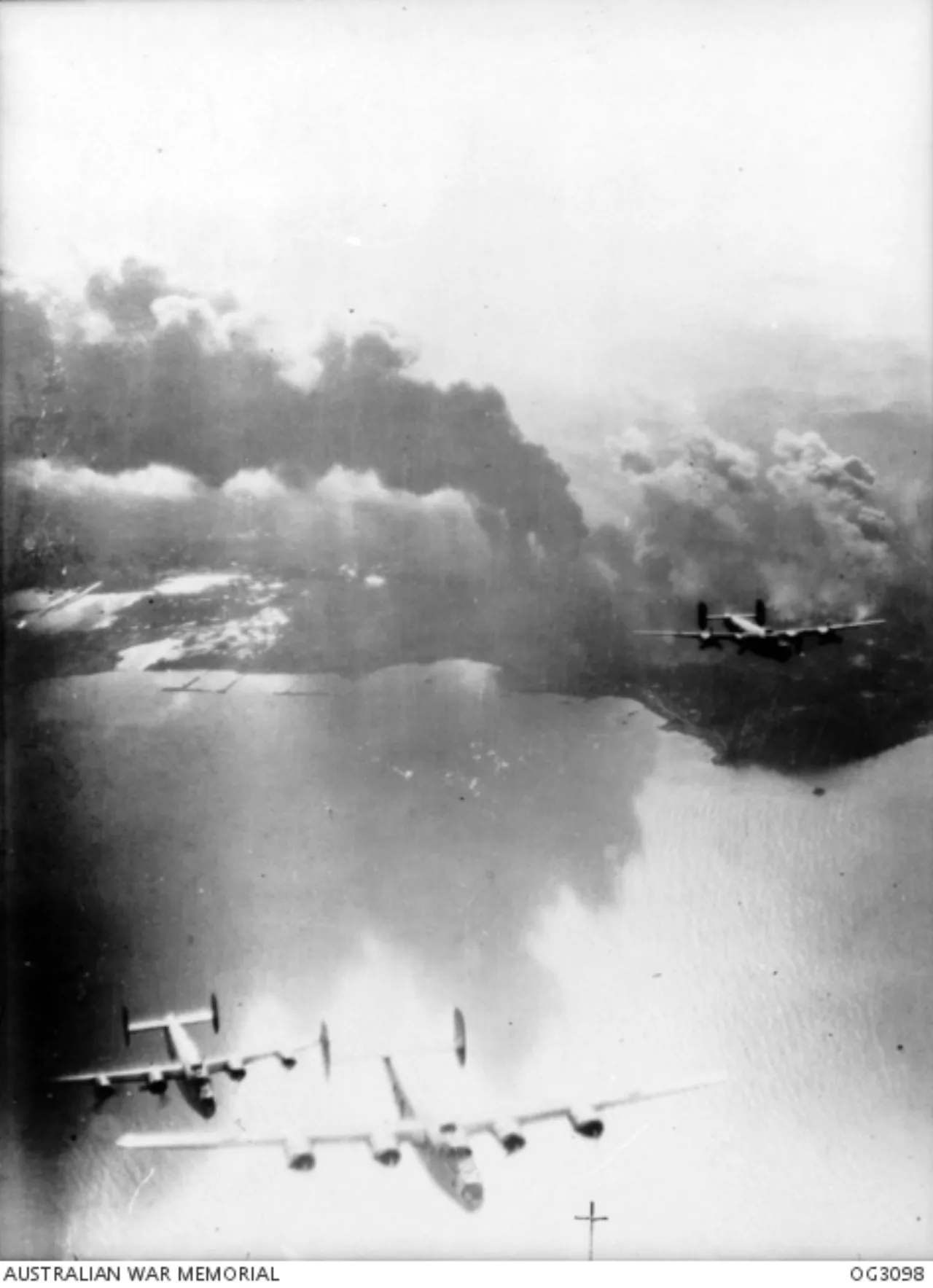
The Volgograd Oil Refinery, owned by Russian energy giant Lukoil, is one of the country's largest oil-processing facilities with an annual capacity of roughly 15 million metric tons of crude oil.
Ukrainian activist Serhii Sternenko and the Exilenova Plus monitoring channel identified the likely targets as the Volgograd Oil Refinery and the Samara oil distribution station, a major oil-transport facility previously targeted by Ukrainian forces.
The Samara oil distribution station near the settlement of Prosvet plays a crucial role in Russia's oil transportation network, blending different grades of crude to produce Urals, Russia's main oil export blend.
Ukrainian forces have repeatedly targeted the Volgograd refinery during the full-scale war, including strikes earlier this year that damaged primary and secondary refining units and temporarily halted production.
President Volodymyr Zelensky said on October 1 that Ukrainian forces had successfully struck an oil facility in Samara Oblast as part of a series of long-range attacks on Russian military and energy targets.
What this adds
The strikes on the oil refineries in Volgograd and Samara are part of a broader pattern of attacks on Russian industrial facilities.
Background
The General Staff of Ukraine stated that the targeted refinery in Yaroslavl supplies fuel and lubricants to Russian forces and is a major supplier of petroleum products in southern Russia.
The strikes on the oil refineries in Yaroslavl and Perm, as well as the electronics plant in Ulyanovsk, are part of a series of attacks on Russian industrial facilities.
What's still developing
- The Kyiv Independent Live in London: October 2 Ukrainian forces reportedly struck oil infrastructure in Russia's Volgograd and Samara regions overnight, with fires reported at facilities in both areas.
- Ukrainian drones previously struck the Samara station in April, causing a large fire and damaging five crude oil tanks, each with a capacity of 20,000 cubic meters, a source in the Security Service of Ukraine told the Kyiv Independent at the time.