
Home · Politics · Nov 19 archive
Texas Supreme Court Faces Challenge Over Lomick's Election Eligibility
Confirmed
In Short: Republican Alan Blaylock is petitioning the Texas Supreme Court to block the certification of election results that declared Democrat Ericka Lomick the winner in Texas House District 93.
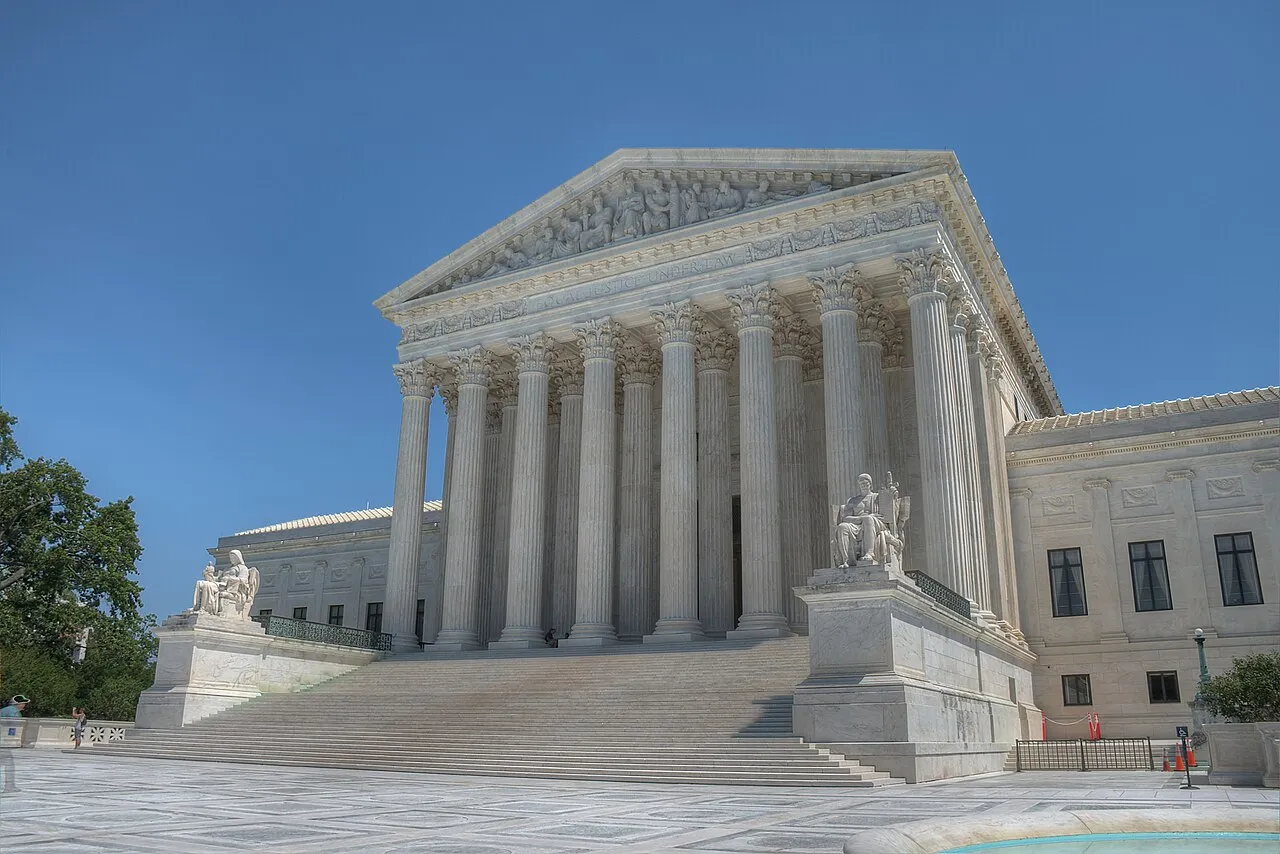
Texas House election winner faces legal challenge over felony convictions. CBS TEXAS
Republican Alan Blaylock is petitioning the Texas Supreme Court to block the certification of election results that declared Democrat Ericka Lomick the winner in Texas House District 93. Lomick won despite suspending her campaign before early voting due to questions about her eligibility for office.
Despite suspending her campaign, Lomick was still on the ballot and secured 810 more votes than Blaylock, according to Houston Public Media and Texas Public Radio. Figures cited in Blaylock’s court filing show Lomick won the special election with 39,346 votes, or 51.1 percent, and captured the general election with 38,972 votes, or 50.5 percent, as reported by the Tampa Free Press.
Blaylock’s legal team filed an emergency petition on Monday, November 16, asking the Texas Supreme Court to direct Secretary of State Robert S. Howden to conduct a post-election review and declare Lomick ineligible under Texas Election Code Section 145.003, as reported by the Tampa Free Press.
A 2019 opinion from the Texas Attorney General's Office suggests a convicted felon can run if they are 'released from the disability to hold office' in reference to a designation from a court restoring rights later confirmed the felony conviction and said she was 'fully released from the resulting disabilities' by the court.
Lomick won the race despite suspending her campaign before early voting started in response to questions about her eligibility for the office. At the time the accusations first began circulating, Lomick said in a statement that she was suspending her campaign to 'allow the people of HD 93 to elect someone who can serve the district without the burden of defending against attacks that would threaten to derail the business of the people.'
The Tarrant County Commissioners Court canvased the results of the election Nov. 10. If the court or the Texas House of Representatives determines Lomick is not eligible, it would trigger a special election to fill the open seat in District 93.
Lomick maintains in a statement reported by the Fort Worth Star-Telegram that she has been legally released from the restrictions tied to her past and is preparing to represent her constituents. Southern Methodist University political scientist Cal Jillson noted in comments reported by Newsweek that the dispute hinges on whether Lomick was pardoned or otherwise officially released from the legal disabilities stemming from her convictions.
Blaylock’s legal team argues that the lawsuit seeks only to establish whether Lomick is legally qualified to serve, not to award the race to Blaylock. A spokesperson for Texas Gov. Greg Abbott told The Texan News on Tuesday that the governor will 'await guidance from the courts about whether [Lomick] is legally qualified to serve and whether she may be issued a certificate of election.'
What this adds
The dispute centers on whether Lomick was legally released from the disabilities tied to her past felony conviction, which she maintains she was.
Background
The Supreme Court on Monday rejected a challenge to Maryland's laws that prohibit firearms in sensitive places like schools, parks, and government buildings.
What's confirmed
- Republican Alan Blaylock is looking to the Texas Supreme Court to block the certification of election results after he lost the race for Texas House District 93 to Democrat Ericka Lomick.
- But a 2019 opinion from the Texas Attorney General's Office suggests a convicted felon can run if they are "released from the disability to hold office" in reference to a designation from a court restoring rights.
- Despite suspending her campaign, Lomick was still on the ballot and secured 810 more votes than Blaylock.
- "federal convictions, unpaid taxes and deceptive statements."
- Lomick later confirmed the felony conviction and said she was "fully released from the resulting disabilities" by the court.
- At the time the accusations first began circulating, Lomick said in a statement that she was suspending her campaign to "allow the people of HD 93 to elect someone who can serve the district without the burden of defending against attacks that would threaten to derail the business of the people."
- In it, Blaylock "asks the court to preserve its jurisdiction by temporarily preventing any certificate of election" from declaring Lomick the winner.
- Lomick won the race despite suspending her campaign before early voting started in response to questions about her eligibility for the office.
- The Tarrant County Commissioners Court canvased the results of the election Nov.
- If the court or the Texas House of Representatives determines Lomick is not eligible it would trigger a special election to fill the open seat in District 93.
- The Protect and Serve Texas PAC published records of Lomick's felony conviction stemming from a federal mortgage fraud case in North Carolina.
- Blaylock has petitioned the state’s highest court to prevent the certification of election results declaring Lomick the winner.
What's still developing
- A pair of November election victories in Tarrant County has turned into a constitutional puzzle for the Texas Supreme Court, after a candidate who suspended her campaign weeks before Election Day won both races anyway—and now faces a legal challenge over a 15-year-old felony record.
- In late September, Lomick announced she was halting her bid for the seat.