
Home · Health · Nov 10 archive
Democrats Eye 2028 for Major Health Care Push
Confirmed
In Short: Democrats are planning a major health care push in 2028, aiming to undo recent Republican cuts and restore subsidies.
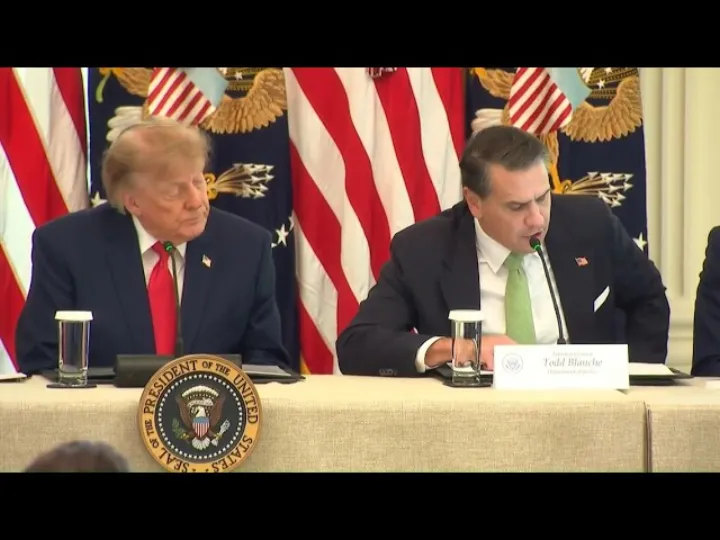
Democrats eye affordability, oversight as Congress returns after election shakeup.
New House Democrats vow to lower costs, boost healthcare access. Reuters
Democrats are gearing up for a significant health care push in 2028, with some lawmakers and analysts seeing momentum building for a comprehensive reform effort.
Rep. Diana DeGette, ranking member of the Health Subcommittee, highlighted polling showing that 75 percent of uninsured Americans have skipped or postponed care due to costs, advocating for a single-payer system.
Senators in a March 19 letter to colleagues emphasized the real-time consequences of Republican health care cuts, drawing parallels to the pre-2010 environment when the Affordable Care Act was being laid out.
Democrats are focusing on undoing recent Republican actions, such as Medicaid cuts and the expiration of Affordable Care Act enhanced premium tax credits, which they argue are raising health care costs for Americans.
CJ Warnke, communications director at the left-leaning political action committee House Majority, noted that health care discussions will center on costs and pricing.
Polling by KFF shows Democrats have an advantage over Republicans on key health care issues like Medicaid, Medicare, and prescription drug pricing.
Democrats are positioning themselves to take control of Congress in the midterms, aiming to highlight Republican actions that have raised health care costs.
The conversation on health care has shifted to who pays for it, but there hasn't been enough focus on actually lowering costs, according to some lawmakers.
What this adds
Democrats are observing a growing momentum for a more expansive health care push following the midterms.
The compact could be activated if four additional states join, pushing the total to 272 electoral votes, potentially bypassing the electoral college by 2028.
Background
The compact could be activated if four additional states join, pushing the total to 272 electoral votes.
Analysts and lawmakers are observing a growing momentum for a more expansive health care push among Democrats following the midterms.
What's confirmed
- Democrats are gearing up for a significant health care push in 2028, with some lawmakers and analysts seeing momentum building for a comprehensive reform effort.
- Rep. Diana DeGette, ranking member of the Health Subcommittee, highlighted polling showing that 75 percent of uninsured Americans have skipped or postponed care due to costs, advocating for a single-payer system.
- Senators in a March 19 letter to colleagues emphasized the real-time consequences of Republican health care cuts, drawing parallels to the pre-2010 environment when the Affordable Care Act was being laid out.
- Democrats are focusing on undoing recent Republican actions, such as Medicaid cuts and the expiration of Affordable Care Act enhanced premium tax credits, which they argue are raising health care costs for Americans.
- CJ Warnke, communications director at the left-leaning political action committee House Majority, noted that health care discussions will center on costs and pricing.
- Polling by KFF shows Democrats have an advantage over Republicans on key health care issues like Medicaid, Medicare, and prescription drug pricing.
- Democrats are positioning themselves to take control of Congress in the midterms, aiming to highlight Republican actions that have raised health care costs.
- The conversation on health care has shifted to who pays for it, but there hasn't been enough focus on actually lowering costs, according to some lawmakers.
What's still developing
- He said the environment right now feels similar to 2006, when Democrats were starting to lay out the building blocks for what became President Barack Obama’s signature health care achievement, the Affordable Care Act of 2010.
- “I personally am glad, I don’t care who the president is or what party, I will generally support that president reducing spending. And I’d applaud it,” he said from the Senate floor objecting to Democrats’ request.
- The CBO noted that its estimate does not cover costs associated with diplomatic operations or foreign aid, nor expenses related to military personnel killed or injured, future veterans’ health care and disability compensation, or spending or future maintenance costs for military assets used in the conflict.
- The latest figure comprises $11.2 billion already obligated for operating expenses, such as fuel, combat pay, aircraft, medical care, and parts, plus $32.4 billion in unfunded replacement costs for munitions, damaged aircraft, and other assets.
- The party that championed the passage of the 2010 health care law is starting to discuss their next comprehensive health care push, which could come during the 2028 presidential election.