
Home · World · Nov 1 archive
Strait of Hormuz Conflict Intensifies Amid Economic Pressures
· Confirmed
In Short: The conflict in the Strait of Hormuz remains unresolved, with ongoing attacks and economic pressures affecting regional stability.
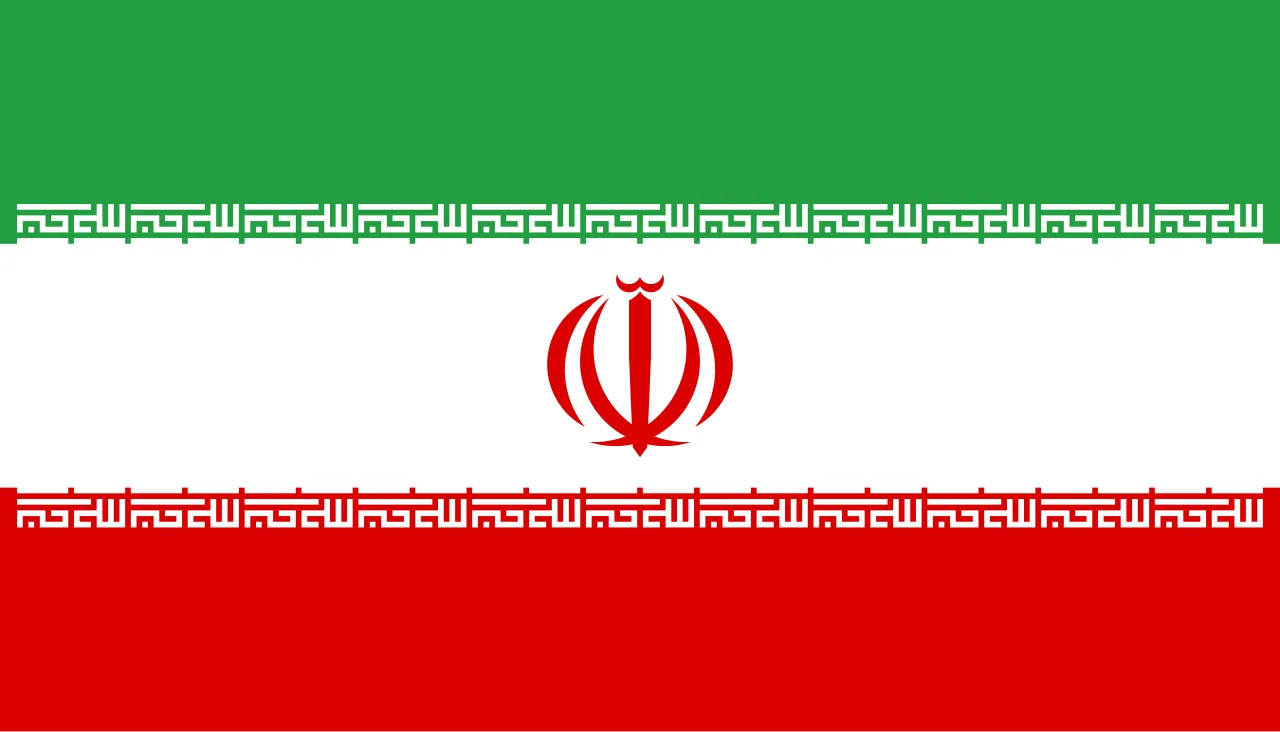
The conflict in the Strait of Hormuz remains unresolved, with ongoing attacks and economic pressures affecting regional stability. According to Foreign Policy, the situation is dire for many residents, such as Zeynab, a food vendor in Bandar Abbas, who said, 'It’s been tough to make ends meet,' and added, 'That’s what this war is doing to us,' with a shrug.
Foreign Policy also reported that a road sign pointing toward Bandar Abbas, Iran’s main port city and gateway to the Strait of Hormuz, was half-buried in the dirt, a stark reminder of the conflict's impact on infrastructure.
Meanwhile, the European Union is grappling with the need to reduce fuel prices while also considering the potential for a worsening supply crisis if the conflict involving Iran continues. The EU must balance these immediate needs with the long-term risks posed by the ongoing conflict.
In the United States, attendees at a U.S. Army exposition expressed skepticism about President Donald Trump's prospects for reaching a peace deal with Iran. Some attendees argued that the United States needs to continue its military and economic pressure on Tehran to bring the conflict to a close.
According to Fox News, Trump still signals optimism about ending the conflict, saying earlier this month that Iran was 'ready to fold up' and suggesting the war could end before the November midterm elections. However, attendees at the exposition were skeptical of this optimism.
The conflict has also intensified economic pressures in Sudan, where the country’s currency continues to lose value and prices are surging across markets. Since the war erupted in April 2023, resources have been diverted away from production, development, and public services.
In addition, the conflict has become an increasingly destabilizing element in the US-Israeli offensive against Iran, turning US ally Saudi Arabia into a pressure point in the wider war. The Saudi-led coalition reported that the Houthis had carried out 20 attacks on King Khalid International Airport between October 1 and 11.
The economic pressures from the conflict are also affecting Japan, which is facing several challenges including a persistently weak yen, rising prices, and a shrinking workforce. Japan's central bank has raised its main interest rate to a fresh 31-year high as it continues to move away from decades of ultra-low borrowing costs.
The conflict's impact extends beyond the region, with international economic sanctions on Russia and diplomatic efforts to isolate Moscow continuing despite the ongoing invasion.
In the United States, institutional strategists are debating whether softer inflation trends will prompt a more gradual Federal Reserve tightening cycle or if sticky underlying price pressures will preserve the Greenback's upward momentum.
The conflict has also affected the trade deficit, which widened to $88.6 billion in July from $71.2 billion in June, according to Realeconomy. Despite this, services are expected to continue leading overall economic growth in the next quarter, offsetting some of the drag from net exports.
What this adds
The conflict in the Strait of Hormuz continues to cause instability and economic strain, affecting residents, infrastructure, and global markets. The ongoing attacks and economic pressures have intensified since the war erupted in April 2023, diverting resources away from production, development, and public services.
Background
The conflict in the Strait of Hormuz continues, with attacks and economic pressures affecting regional stability.
South Korea is considering sending a maritime patrol aircraft to the Strait of Hormuz to protect its shipping interests, but has ruled out any combat deployment, according to National Security Adviser Wi Sung-lac.
What's confirmed
- The conflict in the Strait of Hormuz remains unresolved, with ongoing attacks and economic pressures affecting regional stability. According to Foreign Policy, the situation is dire for many residents, such as Zeynab, a food vendor in Bandar Abbas, who said, 'It’s been tough to make ends meet,' and added, 'That’s what this war is doing to us,' with a shrug.
- Foreign Policy also reported that a road sign pointing toward Bandar Abbas, Iran’s main port city and gateway to the Strait of Hormuz, was half-buried in the dirt, a stark reminder of the conflict's impact on infrastructure.
- Meanwhile, the European Union is grappling with the need to reduce fuel prices while also considering the potential for a worsening supply crisis if the conflict involving Iran continues. The EU must balance these immediate needs with the long-term risks posed by the ongoing conflict.
- In the United States, attendees at a U.S. Army exposition expressed skepticism about President Donald Trump's prospects for reaching a peace deal with Iran. Some attendees argued that the United States needs to continue its military and economic pressure on Tehran to bring the conflict to a close.
- According to Fox News, Trump still signals optimism about ending the conflict, saying earlier this month that Iran was 'ready to fold up' and suggesting the war could end before the November midterm elections. However, attendees at the exposition were skeptical of this optimism.
- The conflict has also intensified economic pressures in Sudan, where the country’s currency continues to lose value and prices are surging across markets. Since the war erupted in April 2023, resources have been diverted away from production, development, and public services.
- In addition, the conflict has become an increasingly destabilizing element in the US-Israeli offensive against Iran, turning US ally Saudi Arabia into a pressure point in the wider war. The Saudi-led coalition reported that the Houthis had carried out 20 attacks on King Khalid International Airport between October 1 and 11.
- The economic pressures from the conflict are also affecting Japan, which is facing several challenges including a persistently weak yen, rising prices, and a shrinking workforce. Japan's central bank has raised its main interest rate to a fresh 31-year high as it continues to move away from decades of ultra-low borrowing costs.
- The conflict's impact extends beyond the region, with international economic sanctions on Russia and diplomatic efforts to isolate Moscow continuing despite the ongoing invasion.
- In the United States, institutional strategists are debating whether softer inflation trends will prompt a more gradual Federal Reserve tightening cycle or if sticky underlying price pressures will preserve the Greenback's upward momentum.
- The conflict has also affected the trade deficit, which widened to $88.6 billion in July from $71.2 billion in June, according to Realeconomy. Despite this, services are expected to continue leading overall economic growth in the next quarter, offsetting some of the drag from net exports.
What's still developing
- Downloadable PDFs are a benefit of an FP subscription.
- Price pressures in Australia and cost pressures from the Middle East conflict will keep inflation elevated in the near term.
- Tariff refunds, improving business conditions and easing wage pressures have been the biggest tailwinds for the sector, while the ISM report noted that tariffs remained among the most cited issues affecting supply chains.
- More than 10 years have passed since the conflict began in 2015, but the Houthis still control large parts of Yemen.
- The claim that the Houthis are demanding a share of the revenue from oil and gas is also linked to this conflict.
- In a post on X, Rodríguez called the policy one of “economic asphyxiation” and described the blockade, which Havana has long blamed for shortages and economic hardships, as “genocidal”.
- He accused Washington of putting “extraordinary pressure and intimidation” on other UN member states ahead of the vote, but said Cuba still expects “overwhelming support” for ending the embargo.
- "I think that more of … this continued pressure on them — economically, the sanctions — not allowing them to export the oil that they've done in the past to their other partners will continue to put pressure on them to cease hostilities."
Sources
- Fxstreetlink
- Thenewslink
- Rbalink
- Independentlink
- Realeconomylink
- Bhaskarenglishlink
- Al Jazeeralink
- Politicstodaylink
- Fox Newslink
- Africanewslink
- Bdnews24link
- BBClink
- WarpBeat — background on Strait of Hormuz Conflict Intensifies Amid Economic Pressures link
- WarpBeat — background on South Korea Considers Maritime Patrol for Strait of Hormuz link