
Home · World · Oct 30 archive
Russia, US veto rival UN Western Sahara resolutions, leaving peacekeeping mission in limbo
· Confirmed
In Short: Russia vetoed a US-drafted resolution Friday that would have supported Morocco’s demand for sovereignty over the disputed Western Sahara and ended the UN’s 35-year peacekeeping mission.
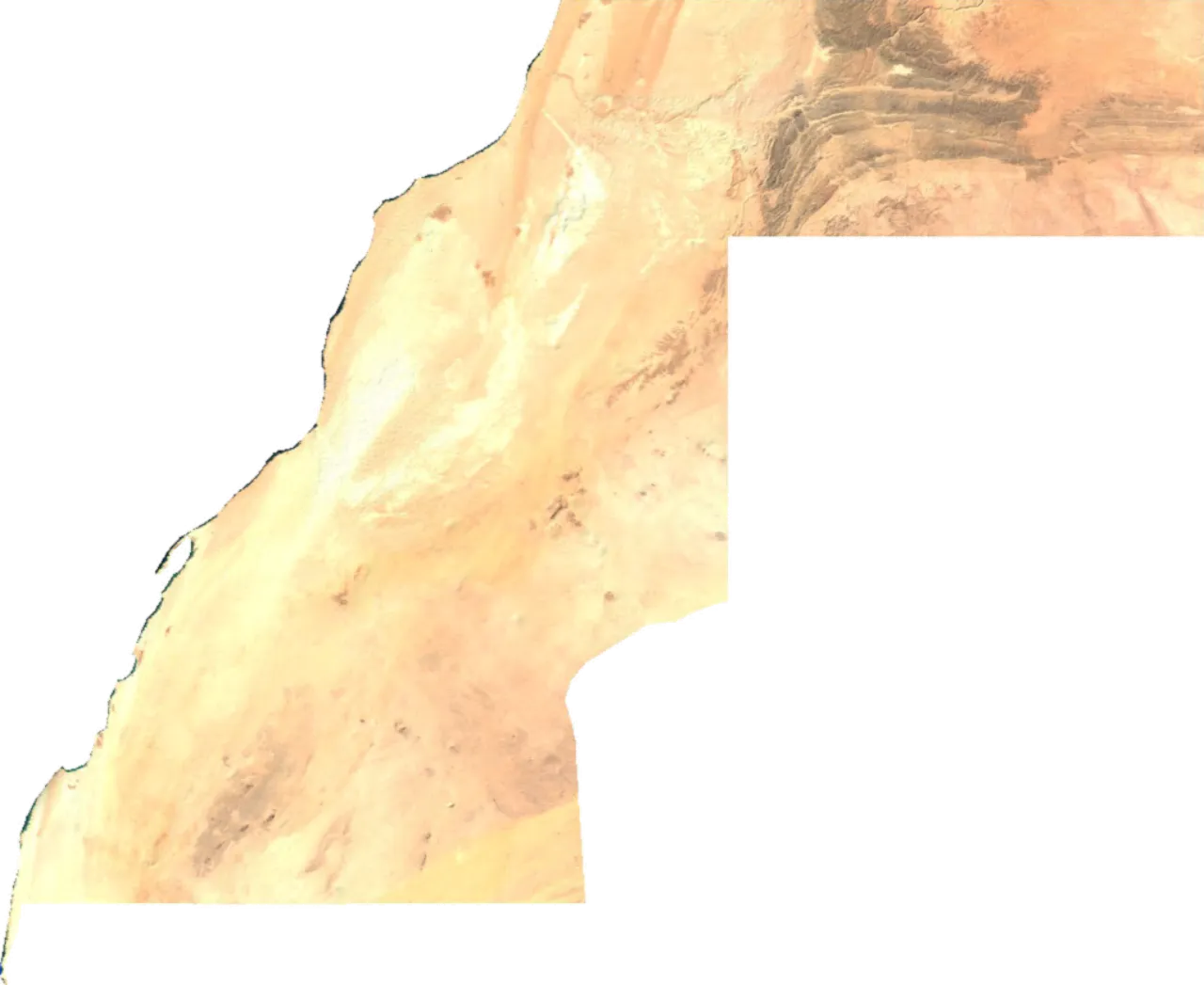
The UN Security Council failed on 30 October to agree on the renewal of the mandate of the United Nations Mission for the Referendum in Western Sahara (MINURSO), after Russia vetoed a US-drafted resolution and the United States subsequently blocked a competing Russian text, according to Western Sahara Resource Watch.
Russia vetoed a US-drafted resolution Friday that would have supported Morocco’s demand for sovereignty over the disputed Western Sahara and ended the UN’s 35-year peacekeeping mission, which was charged with helping to prepare a referendum on the future of the mineral-rich territory, reported Arabnews, Herald Bulletin, The Killeen Daily Herald, and WTOP News.
The US-drafted resolution put to a vote Friday went much further than last year’s resolution, which backed Morocco’s claim to the Western Sahara but referred to Morocco’s proposal for wide-ranging autonomy for the territory as the basis for negotiations and made no mention of a referendum on self-determination.
The Russian draft sought to extend the mandate of MINURSO for another year, until October 31, 2027, without changing its name or mandate, according to Morocco World News.
The US draft proposed extending MINURSO’s mandate until 31 October 2027, but also sought significant changes to the mission and the UN political process, including ending the peacekeeping mission on April 30, 2027, and creating a new political mission no longer preparing for a referendum, reported Western Sahara Resource Watch.
The 3-1 vote with 11 abstentions meant the United States didn’t have to use its veto because the resolution failed to get the minimum nine “yes” votes in the 15-member body, reported Arabnews, The Killeen Daily Herald, and WTOP News.
In an Oct. 22 letter to the council, the Polisario Front’s UN representative called the US draft an “extremely dangerous, unprecedented departure,” not only from international law underpinning Western Sahara as a question of decolonization but from the peace process that the Security Council established.
The US emphasized that “and in addition to the decades of issues around the logistics and issues of conducting a referendum, the mission’s own website right now acknowledges that its referendum preparations ended more than 20 years ago, 20 years ago,” reported Morocco World News.
The US representative added, “UN officials have been telling us this reality for 30 years, and here we are in 2026, and unfortunately, truly, unfortunately and not the intention of the United States, some members of this council have used their veto to preserve the letter ‘R’ for the referendum and the name that the United Nations hasn’t even been preparing to hold for decades.”
The US ambassador to the UN, Mike Waltz, said after the vote that Washington would continue to back a revamped MINURSO, as well as the UN Secretary-General’s personal envoy for Western Sahara, Staffan de Mistura.
France was among the countries supporting the text, underlining that Western Sahara is already part of Morocco - a position that is in violation of France’s obligations under international law, reported Western Sahara Resource Watch.
The confrontation marks an exceptional breakdown in the Council’s handling of the Western Sahara file, where annual mandate renewals had traditionally been negotiated through efforts to secure broad agreement.
Background
Russia vetoed a US-drafted resolution on Friday that would have supported Morocco's demand for sovereignty over the disputed Western Sahara, according to multiple sources.
Western Sahara is a United Nations–designated non-self-governing territory in north-western Africa. It has a surface area of 272,000 square kilometres (105,000 sq mi).
What's confirmed
- The 3-1 vote with 11 abstentions meant the United States didn’t have to use its veto because the resolution failed to get the minimum nine “yes” votes in the 15-member body.
- In an Oct. 22 letter to the council, the Polisario Front’s UN representative called the US draft an “extremely dangerous, unprecedented departure,” not only from international law underpinning Western Sahara as a question of decolonization but from the peace process that the Security Council established.
- UNITED NATIONS: Russia vetoed a US-drafted resolution Friday that would have supported Morocco’s demand for sovereignty over the disputed Western Sahara and ended the UN’s 35-year peacekeeping mission, which was charged with helping to prepare a referendum on the future of the mineral-rich territory.
- Last year, the UN Security Council approved a resolution backing Morocco’s claim to the Western Sahara, a significant shift that aligns with the Trump administration’s support for the North African country.
- It has never taken place because of disagreements on who is eligible to vote.
- That resolution referred to Morocco’s proposal for wide-ranging autonomy for the territory as the basis for negotiations and made no mention of a referendum on self-determination.
- The UN Security Council then defeated a Russian-drafted resolution to extend the mandate of the peacekeeping mission for a year.
- The US-drafted resolution put to a vote Friday went much further.
- Morocco annexed Western Sahara in 1975, sparking a conflict with the Polisario Front, which represents the indigenous Sahrawi people.
- The United Nations brokered a ceasefire in 1991 and established a peacekeeping mission to monitor the truce and help prepare a referendum on the territory’s future.
What's still developing
- Data, Freedom of Information releases and corporate reports Explanation of Vote by Sarah MacIntosh, UK Permanent Representative to the UN, at the UN Security Council meeting on Western Sahara.
- We urge Council members to approach the question of Western Sahara in the interests of accelerating progress toward a just, lasting, and mutually agreed solution that meaningfully provides the self-determination of the people of Western Sahara.
- It would have renamed the mission MINUSO, removing the word “Referendum” from its name, and requested proposals from the Secretary-General on its future structure and staffing, including possible reductions in uniformed personnel and the closure or consolidation of team sites.
- For the first time in this process, the two permanent members put forward competing resolutions and used their vetoes to prevent the other’s proposal from being adopted.
- Akram Oubachir contributed to this report from Rabat, Morocco Bell County indictments released Wednesday, Oct. 28, 2026: Police said that a conflict over flirting led to a murder in Killeen earlier this year followed by an indictment of a 28-year-old man this week.
- The UN mission’s mandate will expire on Saturday unless there is a last-minute effort to revive it.
Sources
- Reuterslink
- Arabnewslink
- GOV.UKlink
- Herald Bulletinlink
- Morocco World Newslink
- The Killeen Daily Heraldlink
- WTOP Newslink
- Western Sahara Resource Watchlink
- Yabiladi.comlink
- Arabnewslink
- WarpBeat — background on Russia Vetoes US-Drafted Resolution on Western Sahara link
- Wikipedia — background on Western Sahara link