
Home · Politics · Oct 13 archive
Court to hear argument on how video privacy law applies in the internet age
Confirmed
In Short: The Supreme Court began its 2026-27 term with a case challenging the Video Privacy Protection Act's applicability in the digital age, while also hearing arguments on climate change liability.
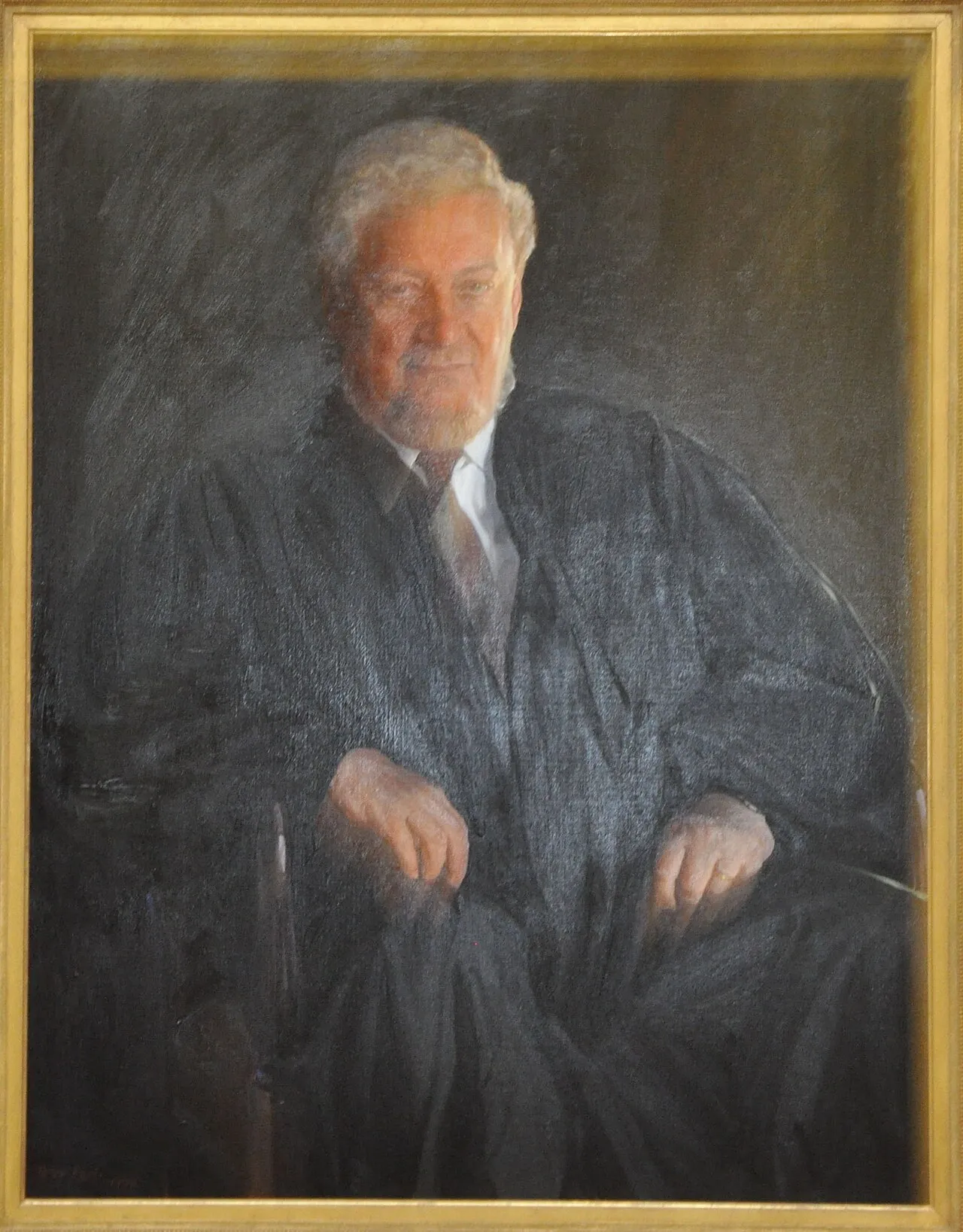
The Supreme Court began its 2026-27 term with a case challenging the Video Privacy Protection Act (VPPA) in the digital age, as journalist Michael Dolan argued that the 1988 statute should apply to online video rentals.
In a 1987 article for the Washington City Paper, Dolan published a list of Judge Robert Bork's video rentals, raising questions about the statute's applicability in the internet era.
Dolan is seeking $2,500 in damages for alleged violations of the VPPA, as well as punitive damages and attorney’s fees.
The case centers on whether the VPPA, which prohibits knowingly disclosing personally identifiable information concerning any consumer of a video tape service provider, applies to online video rentals.
Justice Samuel Alito recused himself from the climate change case Suncor v. Boulder, raising questions about the court's makeup and potential 4-4 splits.
The court heard arguments in a case brought by Boulder residents against oil and gas companies for climate change costs.
Dozens of Boulder residents and climate advocates gathered outside the Boulder County Historic Courthouse, urging the court to hold corporations accountable for climate change impacts.
Micah Parkin, co-founder and executive director of 350 Colorado, stated, “Boulder deserves to have our day in court to hold these corporations accountable for the costs our community is having to bear.”
The Supreme Court also considered a case involving a former employee of a Catholic school in Minnesota who alleged their employment contract was not renewed after they stated their intention to undergo a gender transition.
The Minnesota Supreme Court heard oral arguments in the case, with Luke Goodrich, vice president and senior counsel at Becket, arguing on behalf of the Archdiocese of St. Paul and Minneapolis.
Goodrich noted that the bishops in Minnesota previously issued guiding principles for Catholic schools on human sexuality and gender identity in 2020.
The court's new term began amid renewed public and political concern over recent rulings, justices' personal safety, and the court's future makeup.
What this adds
The court's decisions will impact the interpretation and application of the Video Privacy Protection Act in the digital age, as well as the legal framework for holding corporations accountable for climate change impacts.
Background
The Supreme Court started its 2026-27 term with privacy and climate change cases, including a video privacy law challenge.
The Supreme Court will consider whether local governments can sue oil and gas companies for climate change costs.
What's confirmed
- Citing court documents, Page Six reported that Martinez alleged that Berry jumped on their son, Maceo, grabbed his neck, and choked him during an argument on September 26.
What's still developing
- A court filing obtained by WVLT News issued Wednesday morning says appellate judges ruled in a 2-to-1 majority to grant the temporary stay in order to further review legal arguments in her case.
- Court of Appeals has pressed pause on the execution of Christa Gail Pike, the only woman on Tennessee’s death row who was scheduled to be executed at 11 a.m.
- Before the justices took the bench on Monday for the first oral arguments of the 2026-27 term, the Supreme Court issued a list of orders from the justices’ private conference on Sept. 28, where they considered petitions for review that built up during the summer recess.
- In a filing Tuesday afternoon, state Solicitor General Lou Capozzi, writing on Hoskins’ behalf, renewed the state’s challenge to the Sept. 3 ruling of the Missouri Supreme Court that put the referendum on the ballot and required the Nov. 3 election to be held in the district lines drawn in 2022.
- Chloe Dillon was in the middle of deciding an asylum case at San Francisco’s immigration court when her supervisor told her to check her email.
- “But it contains no limitation on the type of goods or services involved.” Instead, he contends, the phrase “goods or services” “covers everything a video tape service provider offers.” As an example, Salazar points to the lone remaining Blockbuster video store in Bend, Oregon.
- The dispute began in 2022, when two brothers wore the “Let’s Go Brandon” sweatshirts, which they had received from their mother for Christmas, to Tri County Middle School in Howard City, Michigan, where they were in sixth and eighth grade.
- Here are 5 cases to watch "We lost our homes and they left us to figure out for ourselves how to make our neighborhoods safe again," Somauroo said.
- “Any further change inflicts additional vertigo on local election authorities — and the millions of Missourians who rely on them — after ostensibly-final resolution consistent with Missouri law,” the clerks wrote.
- President Trump will headline a "Trump 47 Committee Midterm Rally" in Durant, Oklahoma.
- The notice cited only “Article II of the Constitution,” according to a lawsuit Dillon filed Thursday.
- “Justice Alito has determined that he will not continue to participate in this case,” a letter sent to lawyers involved in the case said.
Sources
- Scotusbloglink
- Wsmvlink
- Warpbeatlink
- Scotusbloglink
- OSV Newslink
- Fox17link
- Fox Newslink
- Boulderreportinglablink
- PBSlink
- Missouriindependentlink
- Okcfoxlink
- Sfgatelink
- Rawstorylink
- WarpBeat — background on Court to hear argument on how a video privacy law applies in the internet age link
- WarpBeat — background on Supreme Court to Hear Case on Energy Companies' Climate Change Liability link
- PBS NewsHour — video link