
Home · Business · Oct 6 archive
US Trade Deficit Hits 17-Month High Despite Trump's Tariffs
Confirmed
In Short: The US trade deficit reached a new high last year, despite President Trump's tariffs on imports.
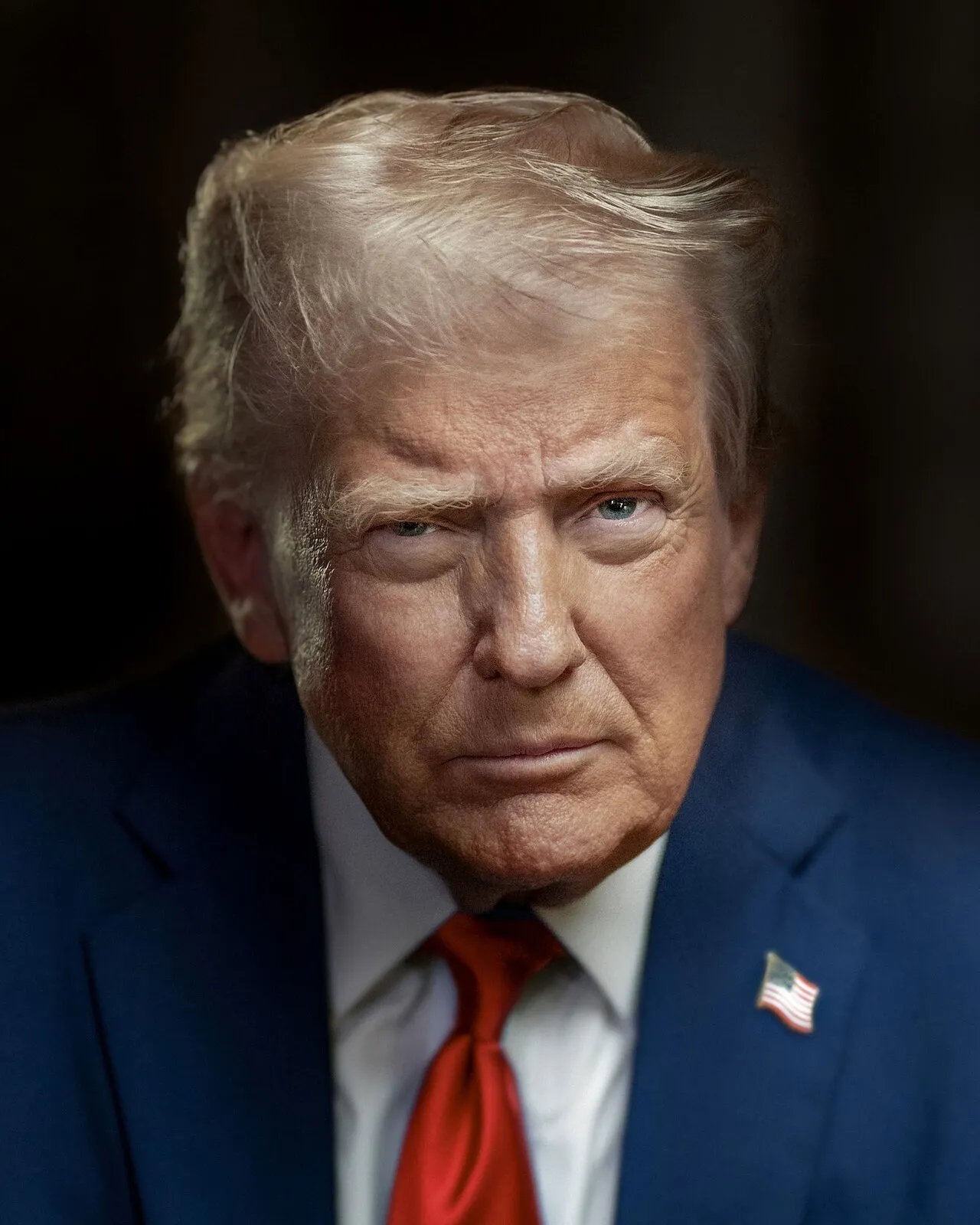
The US trade deficit hit a 17-month high last year, despite President Donald Trump's tariffs on imports, according to the Bureau of Economic Analysis. Imports of goods reached a record $3.4 trillion, despite the tariffs introduced by the Trump administration.
The rise in the trade deficit emerged despite a sharp drop in trade with China, one of the earliest targets of the tariffs. US goods imports continued to outpace its exports, sending the country's trade deficit to a new high.
Despite the drop in trade with China, the gap runs counter to one of the White House's key aims, which is to reduce the deficit. The administration argues that US reliance on overseas goods has hollowed out the country's production abilities and put national security at risk.
Exports also hit a new high, despite a drop in shipments of US food, cars, and car parts, two of the sectors most exposed to the trade changes. US trade with China, including imports and exports, fell to reduce the deficit by roughly 30% to $202.1 billion.
The measures introduced by the Trump administration sparked widespread turmoil for businesses and global economies, but trade flows did not stop. Some US firms had rushed at the start of last year to get ahead of Trump's tariff regime, leading to record imports.
Analysts at Wells Fargo noted that despite tariffs, imports could still see a modest increase in the year ahead. The JP Morgan Chase Institute found that many businesses had started shifting business away from China before the new tariffs went into effect.
The Supreme Court is currently weighing a challenge to the duties brought by a group of businesses and states, which could lead to the bulk of last year's tariffs being struck down. If the Trump administration loses the case, White House officials have said they are prepared to reinstate the tariffs using different tools.
What this adds
The measures introduced by the Trump administration sparked widespread turmoil for businesses and global economies, but trade flows did not stop.
The gap runs counter to one of the White House's key aims which is to reduce the deficit, arguing that US reliance on overseas goods has hollowed out the country's production abilities and put national security at risk.
Background
The US trade deficit reached a new high last year, despite President Trump's tariffs on imports.
What's confirmed
- Most recently, he signed an executive order stating the US would impose additional taxes on countries that continue to trade with Iran.
- The Supreme Court is also currently weighing a challenge to the duties brought by a group of businesses and states, which could lead to the bulk of last year's tariffs being struck down.
- The US treasury secretary said that the US and China had reached an agreement to extend a trade truce as Xi began his visit.
- US goods imports continued to outpace its exports last year, sending the country's trade deficit to a new high despite sweeping tariffs introduced by US President Donald Trump.
- The rise emerged despite a sharp drop in trade with China, one of the earliest targets of the tariffs.
- Exports also hit a new high, despite a drop in shipments of US food, cars and car parts, two of the sectors most exposed to the trade changes.
What's still developing
- "Looking ahead there will inevitably be more rejiggering in supply chains, but we see scope for a modest ascent in imports in spite of tariffs in the year ahead," analysts at investment bank Wells Fargo wrote.