
Home · Technology · Oct 5 archive
You’ll miss a lot of Googlebook features without an Android 17 phone
Confirmed
In Short: Google's new cross-device features for Googlebooks require an Android 17 phone, limiting availability.
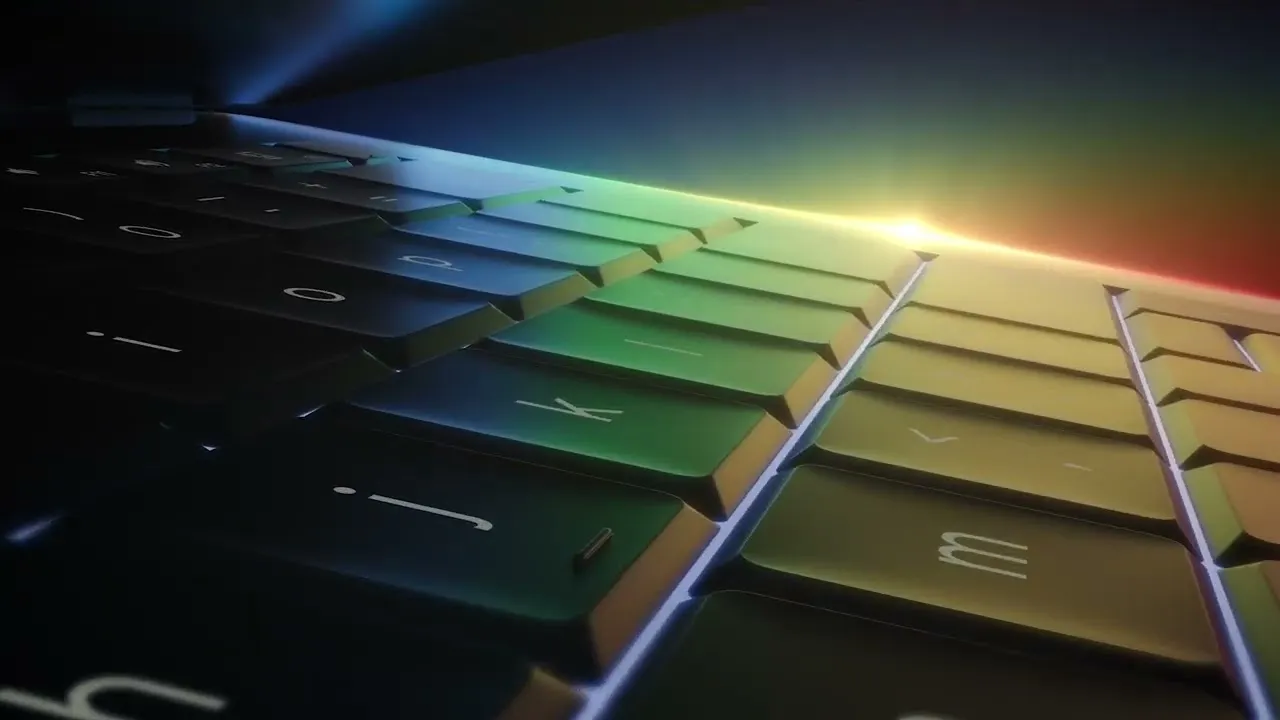
Google has revealed that its new cross-device features for Googlebooks require an Android 17 phone, according to a Googlebook reviewer’s guide from Android Authority.
These features include task continuity, shared file and storage access, streaming phone apps on the laptop screen, and synced notifications.
Samsung’s latest foldables, running One UI 9 based on Android 17, are among the few devices currently supporting these features.
Google has been marketing deep phone integration as a key selling point for Googlebooks, but this requirement means many users will miss out on these features.
Google Pixels generally have the latest Android version, but other OEMs are lagging.
For instance, Samsung is pushing out stable One UI 9 updates to last year’s flagships, but mid-range Galaxy phones and older flagships are still waiting.
POCO F9 series phones are still running Android 16, highlighting the ongoing update disparity.
Android Authority notes that relatively few Android phones currently have Android 17.
Samsung’s position complicates any blanket claim that most phones miss out, but owners of Galaxy A-series phones, Xiaomi, or OnePlus devices should check their Android version.
Googlebook’s headline feature is its tight pairing with an Android phone, but this pairing comes with a requirement that is easy to miss.
Without Android 17, users are essentially buying a laptop and waiting on their phone maker for the rest.
Googlebook is a new laptop platform announced by Google, with Dell, Acer, Asus, HP, and Lenovo signed up to produce them later this fall.
What this adds
Google's new requirement for Android 17 on phones limits the availability of full Googlebook features, as many Android phones are still running older versions.
The requirement applies to several cross-device features that Google has been demonstrating, emphasizing the importance of having an Android 17 phone for a seamless experience.
Google is encouraging app developers to make apps react to screen size and to create desktop versions of Android apps for Googlebooks, further highlighting the platform's reliance on Android 17.
Google has not yet shared the operating system's name, but the platform is called Googlebook, and it supports both ARM and x86 architectures.
Background
Google's new cross-device features for Googlebooks require an Android 17 phone, limiting availability.
Google has released support pages detailing key features of the Googlebook, but many users may miss out on these features without an Android 17 phone.
What's confirmed
- Google has revealed that its new cross-device features for Googlebooks require an Android 17 phone, according to a Googlebook reviewer’s guide from Android Authority.
- These features include task continuity, shared file and storage access, streaming phone apps on the laptop screen, and synced notifications.
- Samsung’s latest foldables, running One UI 9 based on Android 17, are among the few devices currently supporting these features.
- Google has been marketing deep phone integration as a key selling point for Googlebooks, but this requirement means many users will miss out on these features.
- Google Pixels generally have the latest Android version, but other OEMs are lagging.
- For instance, Samsung is pushing out stable One UI 9 updates to last year’s flagships, but mid-range Galaxy phones and older flagships are still waiting.
- POCO F9 series phones are still running Android 16, highlighting the ongoing update disparity.
- Android Authority notes that relatively few Android phones currently have Android 17.
- Samsung’s position complicates any blanket claim that most phones miss out, but owners of Galaxy A-series phones, Xiaomi, or OnePlus devices should check their Android version.
- Googlebook’s headline feature is its tight pairing with an Android phone, but this pairing comes with a requirement that is easy to miss.
- Without Android 17, users are essentially buying a laptop and waiting on their phone maker for the rest.
- Googlebook is a new laptop platform announced by Google, with Dell, Acer, Asus, HP, and Lenovo signed up to produce them later this fall.
What's still developing
- Affiliate links on Android Authority may earn us a commission.
- Google says the Android 17 requirement covers four of the phone-integration features: That list covers much of what makes a Googlebook different from an ordinary laptop.
- Android Authority characterises the install base as relatively few Android phones having Android 17 right now.
- Almost exactly 15 years since Google introduced Chromebooks and ChromeOS —which ushered in a wave of cheap, functional, web-based laptops that would come to dominate the US education market—the company has announced a new laptop platform called Googlebook.
- Google announced the platform on The Android Show on YouTube, where it also detailed new features coming in Android 17 and Gemini Intelligence (you can read more about that here ).
- But the highlight feature Google is teasing at the gate is the cursor, which the company calls the “Magic Pointer” on a Googlebook.
- Google has been encouraging app developers to make apps react to the size of the screen for a few years now, and that now translates to encouraging app makers to make desktop versions of their Android apps for Googlebooks.
- The manufacturers Google is working with will have a “spectrum of offerings,” and the platform supports both ARM and x86 architectures.
- The company says it will share more information later this year, but I spoke with Alexander Kuscher, senior director at Google leading Android tablets and laptops, to glean more details.
- Kuscher says there's an immense amount of innovation in the Android ecosystem right now, and it translates really well into laptops.
- “You want to take advantage of the fact that this ecosystem is innovating so fast that you make sure that laptops are at the tip of that innovation wave—building on top of Android technologies makes that so much easier for us,” he says.
Sources
- Android Authoritylink
- AndroidPurelink
- WIREDlink
- Warpbeatlink
- ZDNETlink
- Androidauthoritylink
- Sealink
- Tweaktownlink
- Mashablelink
- TechCrunchlink
- Unitelink
- WarpBeat — background on Googlebook Features Require Android 17 Phone link
- WarpBeat — background on Googlebook Features Require Android 17, Limiting Availability link
- Android — video link