
Home · Technology · Oct 1 archive
WhatsApp Launches Parental Controls for Teens
Confirmed
In Short: WhatsApp has launched new optional parental controls designed to help parents manage their teens' use of the messaging app, while maintaining privacy for personal messages and calls.
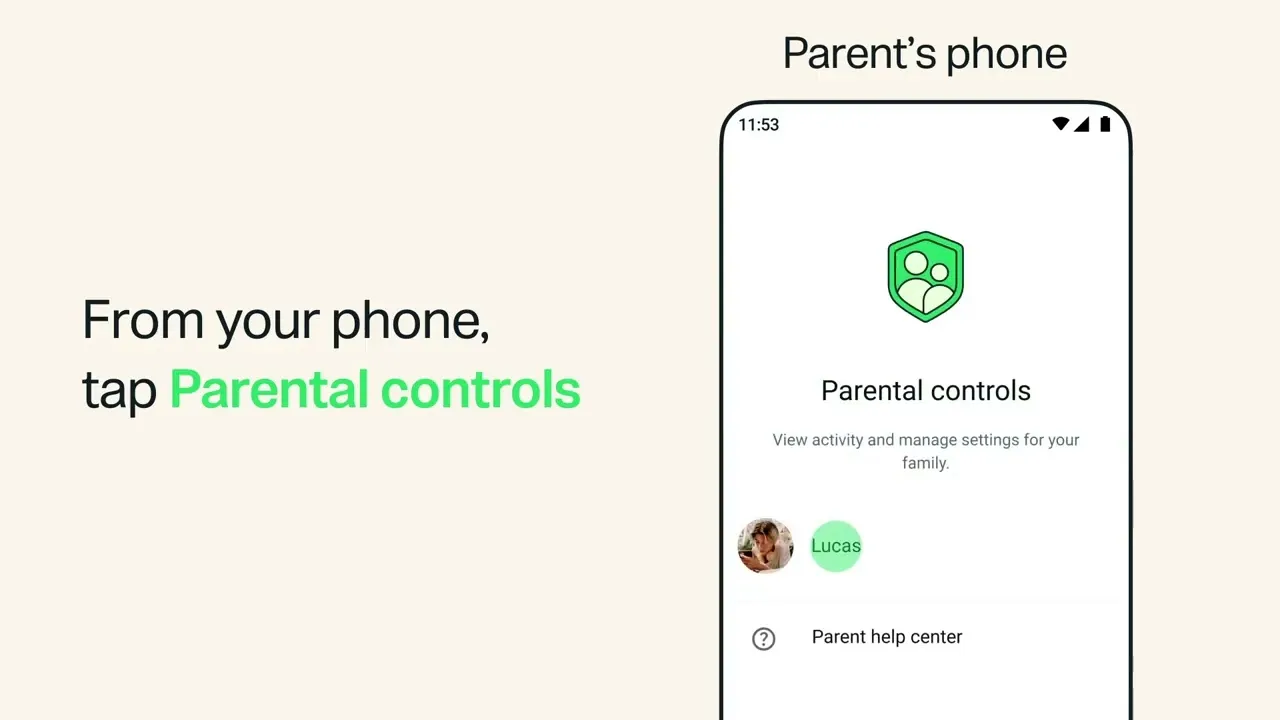
According to WhatsApp, these controls are flexible and can be adjusted or turned off at any time by parents.
Parents will receive alerts when their child joins or leaves a WhatsApp group, and when the size of a group their teen is part of increases.
WhatsApp emphasizes that these controls are designed to support open conversations between parents and teens about how to use the app responsibly.
WhatsApp also introduced a stricter 'Limited Content' option for teens, allowing parents to choose the right Meta AI experience for their children.
In a blog post, WhatsApp stated, 'As teens grow up, so does the way they communicate. Parents have told us they want to be there to guide them without reading over their shoulder.
WhatsApp said these controls can be set up with parents and teens working together, and that they are just the first step in a series of improvements based on feedback from families.
Parents will also be able to control privacy settings, such as who can see their teen's profile photo or add them to groups.
WhatsApp's new controls provide broader information about how teens use the service, including interactions with WhatsApp Channels and Status updates.
WhatsApp maintains that personal messages and calls remain protected by end-to-end encryption, ensuring neither parents nor WhatsApp can access them.
WhatsApp's announcement comes as part of Meta's ongoing efforts to enhance the safety and security of its messaging platforms for younger users.
What this adds
WhatsApp's new parental controls are an extension of Meta's efforts to provide more safety options for younger users on its platforms.
The controls are designed to be flexible and can be adjusted based on feedback from families.
WhatsApp has emphasized that these controls are optional and can be turned off at any time by parents.
The new tools provide broader information about teens' WhatsApp activity without compromising privacy for personal messages and calls.
Background
WhatsApp has launched new optional parental controls for teens, allowing parents to set safety boundaries and receive alerts about their children's WhatsApp activity.
WhatsApp has introduced new optional parental controls for teens, allowing parents to set safety boundaries and receive alerts about their children's WhatsApp activity.
What's confirmed
- “ All of these controls are being designed to support open conversations about how to use WhatsApp between parents and teens, while keeping everyone’s personal messages private, ” said WhatsApp.
What's still developing
- Get the latest Android News in your inbox every day arrow_right Sign up to receive the latest Android News every weekday: Android Headlines / Android Apps / WhatsApp Adds New Parental Controls To Keep Tabs on Teens WhatsApp is introducing new optional parental controls.
- WhatsApp says that “this is just the start,” signaling there’s more to come.
- WhatsApp has officially launched new parental controls for teens, giving parents and guardians peace of mind about who their offspring or charges are in contact with.
- More details about how to use parental controls in WhatsApp can be found in the Help Center.
- Meta is making it easier to share your Facebook and Instagram posts on WhatsApp You can now bookmark status music in WhatsApp WhatsApp is working on a way to send text message with your voice Your source for breaking tech news, reviews and in-depth reporting since 1998.
- They have been designed to be flexible to meet changing needs, and parents have a fine level of control over which features of WhatsApp can be used, and can receive notifications about key events.
- Published : October 1, 2026 at 2:29 PM IST Hyderabad: WhatsApp has introduced a new set of parental controls designed to help families manage how teenagers use the app, while keeping their personal messages private.
- Once configured, teens who want to loosen those restrictions will need parental approval using a parent-created PIN.