
Home · Health · Sep 30 archive
Rural MAHA followers say Trump hasn’t improved health of their communities, poll finds
Confirmed
In Short: A new AP-KFF poll finds that while rural voters support the Make America Healthy Again movement, they feel President Trump's healthcare policies have not improved their communities' health.
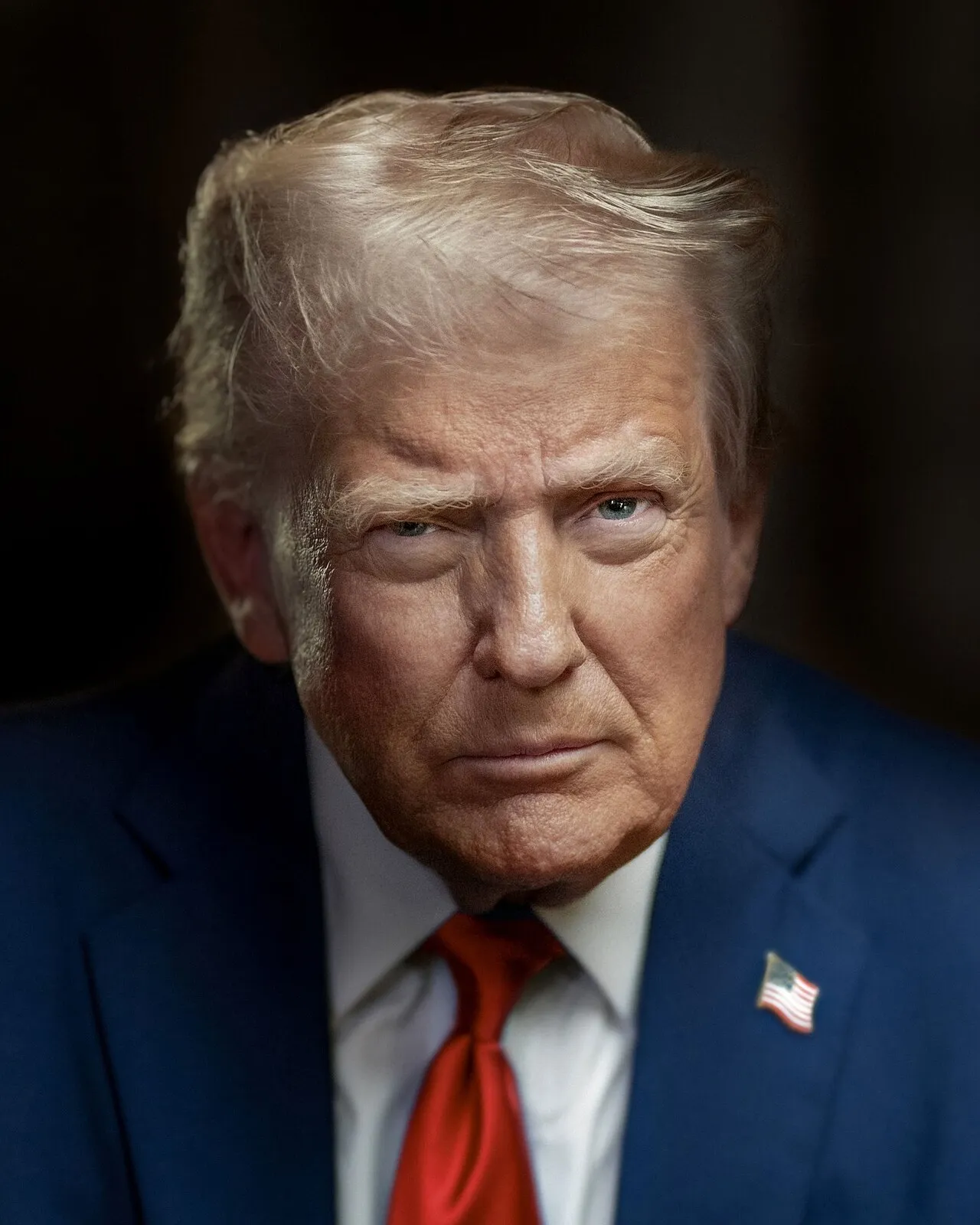
A new AP-KFF poll reveals that about half of rural voters identify with the Make America Healthy Again (MAHA) movement, a key initiative championed by the Trump administration.
However, the poll also found that most rural voters, an important voting bloc for Republicans, feel the Trump administration’s policies have had a negative effect or no impact on the health of their communities.
About 8 in 10 rural voters expressed this sentiment, with 68% of MAHA supporters also feeling that the policies have had little to no positive impact.
Iowa pastor Mike Jager, a registered Republican and MAHA supporter, said the Trump administration’s health policies have had a “minimal” impact on his community.
Despite this, Jager voted for Zach Lahn, a businessman and farmer who ran on a MAHA platform, in the June Republican primary for governor.
The poll also highlighted that nearly half of rural voters said their communities don’t have enough doctors or other healthcare providers, and even more said there aren’t enough mental health workers.
Additionally, the share of rural voters who said their community does not have enough hospitals increased to 35% from 21% in a similar question asked in a KFF-Washington Post survey in 2017.
At least 6 in 10 rural voters expressed worry about healthcare costs, particularly those on Medicaid.
The findings signal an apparent disconnect between the Trump administration’s MAHA-branded policy priorities and rural America’s perception of their reach and effectiveness.
As midterm races heat up, Kennedy is working to galvanize MAHA supporters, but the poll suggests that many rural voters remain unconvinced of the movement’s impact.
What this adds
The poll underscores the ongoing concerns in rural communities regarding healthcare access and costs, despite the administration’s efforts to promote health initiatives.
What's confirmed
- Ali Swenson, Sarah Jane Tribble And Linley Sanders Ali Swenson, Sarah Jane Tribble And Linley Sanders WASHINGTON – About half of rural voters identify with Make America Healthy Again, a sprawling political movement championed by the Trump administration, but most said President Donald Trump’s healthcare policies have not benefited their communities.
- About 8 in 10 rural voters — an important voting bloc for Trump and fellow Republicans — said the Trump administration’s policies have had a negative effect or no impact on the health of people where they live.
- Most MAHA supporters, 68%, also feel this way, according to the national survey of more than 2,000 rural registered voters.
- The Trump administration’s health policies have had “minimal” impact on the health of his community, Jager said, but he added that Trump’s health secretary, Robert F.
- In the June Republican primary for governor, Jager voted for Zach Lahn, a businessman and farmer who ran on a MAHA platform and beat out Trump-backed U.S. Rep. Randy Feenstra.
- About two-thirds of rural voters who support MAHA said it’s “extremely” or “very” important to them to vote for a candidate who does, too, while only 4 in 10 rural voters overall said the same.
- Most Democratic and independent voters said the Trump administration’s healthcare policies have had a negative impact on their healthcare costs and the health and well-being of people in their communities.
- Klocke, a Democrat, said the MAHA movement is a good idea because she cares about being healthy, but she does not consider herself part of it and will not be voting for a candidate who represents the movement.
- Nearly half of rural voters said their communities don’t have enough doctors or other healthcare providers, and even more said there aren’t enough mental health workers specifically.
- The share of rural voters who said their community does not have enough hospitals increased to 35% from 21% in a similar question asked in a KFF-Washington Post survey in 2017.
- At least 6 in 10 rural voters said they were worried about healthcare costs.
- The findings signal an apparent disconnect between the Trump administration’s MAHA-branded policy priorities and rural America’s perception of their reach and effectiveness.
What's still developing
- The independent source for health policy research, polling, and news.
- Subscribe to KFF Health News' free Morning Briefing.
- The latest operation, according to the anti-narcotics agency, represents another major breakthrough in its campaign against international drug cartels seeking to establish methamphetamine production bases in Nigeria’s forests and rural communities.
- They even quietly created a special “concierge service” to make it easy for as many as 40 massive AI data centres to set up their noisy, polluting shops in rural Alberta.
- The tech company will begin a longer tour of the country with the same purpose next year, taking a mobile center to rural and urban communities that aims to help older adults get hands-on experience with the technology.
- Its rural Maharashtra setting is not simply a backdrop but an important part of the story as Suman’s plans begin to unfold.
- The film’s rural setting, Marathi-language storytelling and focus on a traditional cultural ritual give it a distinct identity as it begins its Oscar campaign.
- Marathi drama Gondhal will represent India in the Best International Feature Film race at the 99th Academy Awards, after the Film Federation of India selected Santosh Davakhar’s rural thriller from 33 competing films.
- Starting with local news, she now focuses on British Asians and Indian Americans, connecting diaspora communities while preserving their cultural roots.
- India has chosen the Marathi-language film Gondhal as its official submission for the Oscars 2027, sending the rural Maharashtra drama into contention for Best International Feature Film at the 99th Academy Awards.
- The army said on social media that more than 500 soldiers, along with air support, would be deployed to the area to provide security for the communities and prevent the situation from escalating.
- The agency urged both communities to remain at the negotiating table.