
Home · Business · Sep 30 archive
Apple Pay Launches in India With Axis Bank
Confirmed
In Short: Apple Pay has officially launched in India, years after its global debut.
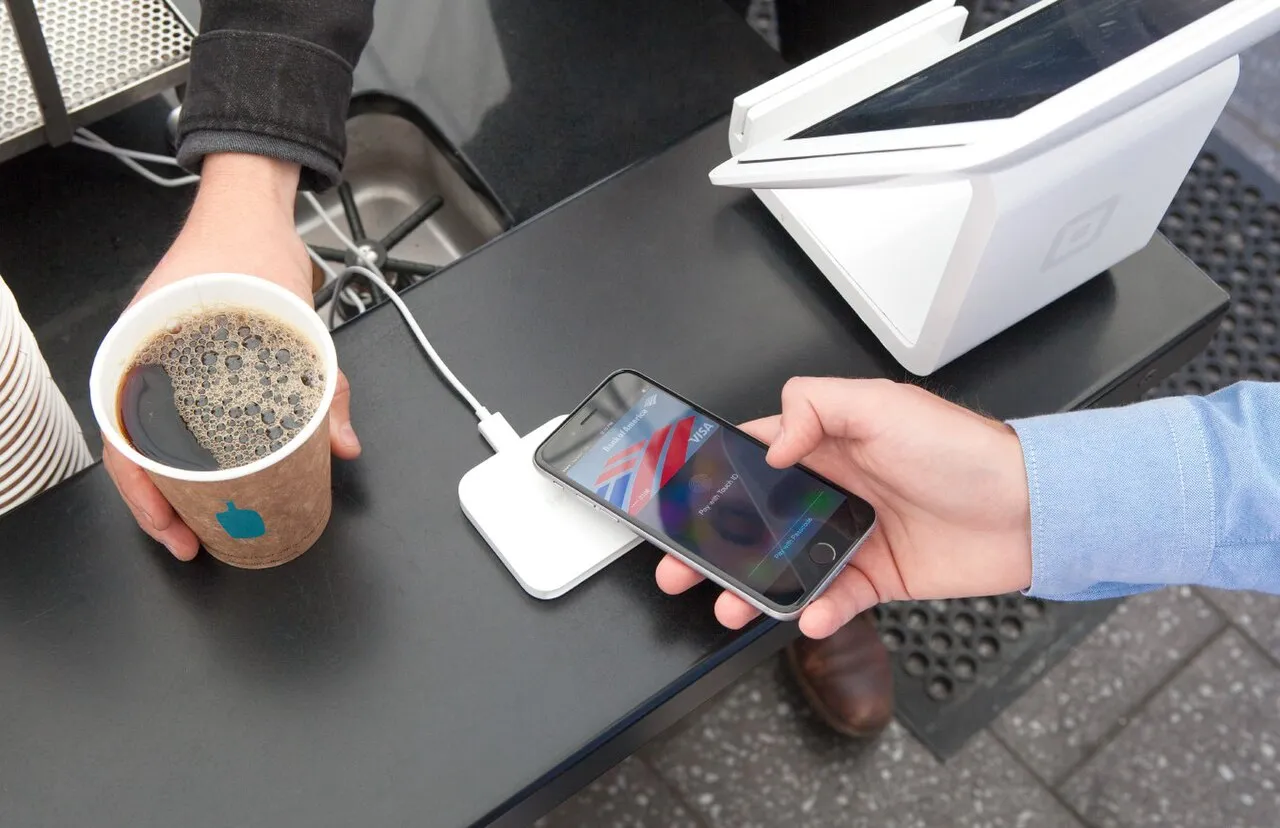
Apple Pay has officially launched in India, years after its global debut. The service, which became available in most other major markets years ago, is now accessible on iPhone, iPad, and Apple Watch, with Mac support expected to follow soon.
According to Jennifer Bailey, Apple’s VP of Apple Pay and Apple Wallet, the service makes everyday payments easy, secure, and private. She highlighted that India is home to a dynamic and digitally savvy population that continues to embrace a cashless future while expecting the highest standards of security and privacy.
The launch of Apple Pay in India is a significant step for the company, which has been expanding its presence in the country through iPhone sales, local manufacturing, and retail footprint. India already accounts for about a quarter of global iPhone production, and that share could rise to 30% to 35% over the next five years.
Apple Pay in India is currently limited to Visa and Mastercard credit cards issued by Axis Bank. The service requires an iPhone XR or later running iOS 18 or newer, or an Apple Watch Series 6 or later paired with a compatible iPhone.
Once added, in-store payments work the same way they do everywhere else Apple Pay is available: double-click the side or Home button, authenticate with Face ID, Touch ID, or a passcode, and hold the phone or Apple Watch near a contactless reader.
Apple says millions of merchants across India will accept Apple Pay from day one, including Apple’s own retail stores, Blinkit, Chaayos, Croma, Ixigo, Tata 1mg, Zomato, and several Reliance-owned brands.
Axis Bank CEO Amitabh Chaudhry called the launch a step toward “payment experiences that are progressive, trusted and deeply relevant” to customers. Mastercard’s Gautam Aggarwal and Visa’s Suresh Sethi both framed the launch as a milestone for contactless commerce in India, pointing to their respective tokenisation systems as the security backbone behind it.
Apple says it doesn’t store actual card numbers on the device or Apple’s servers, and it doesn’t share them with merchants during a transaction. A lost or stolen device can have its payments suspended through Find My.
Apple Pay is entering the Indian market at a time when UPI has already seen widespread adoption. Unlike UPI, which enables direct bank-to-bank payments, Apple Pay uses eligible cards.
Apple Pay’s entry into India is expected to add another piece to Apple’s growing business in the country, where it has been expanding its presence through iPhone sales, local manufacturing, and retail footprint.
The launch adds another piece to Apple’s growing business in India, where it has been expanding iPhone sales, local manufacturing, and its retail footprint.
Apple Pay supports eligible Axis Bank cards on Visa and Mastercard, but not India’s homegrown RuPay network.
What this adds
Apple Pay’s entry into India is expected to face competition from UPI, which has a significant market share.
Apple Pay’s launch in India is limited to Axis Bank credit cards, with other banks expected to join in the near future.
Apple Pay’s launch in India is expected to face challenges due to commercial terms and negotiations with some of India’s largest banks.
Background
Apple Pay has officially launched in India, years after its global debut.
As of now, T-Mobile is the only U.S. carrier supporting iPhone Handoff, charging a $5 monthly fee for the service. This pricing model has been described as a 'bummer' by some, though it is not entirely unexpected.
What's confirmed
- Apple Pay has officially launched in India, years after the contactless payment service became available in most other major markets.
- Mac support is coming later, though Apple hasn’t specified when.
- “Apple Pay makes everyday payments with a card easy, secure, and private,” said Jennifer Bailey, Apple’s VP of Apple Pay and Apple Wallet.
- Axis Bank CEO Amitabh Chaudhry called it a step toward “payment experiences that are progressive, trusted and deeply relevant” to customers, while Mastercard’s Gautam Aggarwal and Visa’s Suresh Sethi both framed the launch as a milestone for contactless commerce in India, pointing to their respective tokenisation systems as the security backbone behind it.
- Once added, in-store payments work the same way they do everywhere else Apple Pay is available: double-click the side or Home button, authenticate with Face ID, Touch ID, or a passcode, and hold the phone or Apple Watch near a contactless reader.
- Apple says millions of merchants across India will accept Apple Pay from day one, including Apple’s own retail stores, Blinkit, Chaayos, Croma, Ixigo, Tata 1mg, Zomato, and several Reliance-owned brands.
- The service requires an iPhone XR or later running iOS 18 or newer, or an Apple Watch Series 6 or later paired with a compatible iPhone.
- Apple says it doesn’t store actual card numbers on the device or Apple’s servers, and it doesn’t share them with merchants during a transaction.
- Apple also says it doesn’t retain transaction details tied back to individual users, and that a lost or stolen device can have its payments suspended through Find My.
- Apple has finally launched Apple Pay in India, over a decade after the service was rolled out in the US.
- In India, Apple Pay is currently limited to Visa and Mastercard credit cards issued by Axis Bank.
- If you are making a purchase offline using Apple Pay, you need to double click the side button or home button, and then authenticate via Face ID, Touch ID or your device’s passcode.
What's still developing
- Globally, Apple Pay has over 11,000 bank and network partners in more than 90 countries. - Ends Also Read | iPhone 18 Pro is made in India, Apple shipping globally including US on charter planes Also Read | UPI payments will be chargeable from October 15, but not for everyone: Full story in 5 points Also Read | India may ban social media for teens, other countries are trying too but it's complicated Armaan loves to keep an eye on everything happening in the world of tech and AI.
- Apple began rolling out Apple Pay in India on Tuesday, as TechCrunch was first to report.
- Apple’s commercial terms have also emerged as a sticking point with some of India’s largest banks, the people said.
- Apple is seeking a fee of about 20 basis points (0.2%) on transactions, according to the people, a significant bite out of the roughly 40 to 50 basis points (0.4% to 0.5%) of margin in the payments layer.
- The fee structure is broadly consistent with Apple Pay’s commercial model in other markets, the people said.
- HDFC Bank, ICICI Bank, and SBI Card are not supporting Apple Pay at launch as negotiations over commercial terms continue, one of the people told TechCrunch.
- Together, we are expanding consumer choice and helping shape the next generation of commerce in India.
- Nikhil Mehta, Senior Vice President – Partnerships & Business Head – Growth Initiatives (Cross-Border Payments & Affordability), said: PayU is proud to bring Apple Pay to lakhs of Indian merchants, enabling a new era of secure and seamless authentication solutions for digital payments.
- The deployment allows Apple device owners in India to make contactless in-store payments, as well as complete transactions within mobile applications and on the web, without entering one-time passwords (OTPs) or physical payment PINs at checkout.
- These cards can be provisioned into Apple Pay for use across thousands of domestic merchants and any point-of-sale terminal globally that supports near-field communication (NFC) transactions.
- Standard card rewards, loyalty points, and purchase benefits offered by the issuing bank remain active when transacting through Apple Pay.
- With this rollout, India joins more than 90 countries and regions where Apple Pay operates alongside a global network of over 11,000 banking and financial institution partners.