
Home · Business · Sep 27 archive
US Treasury Yields Surge Amid Inflation Concerns
Confirmed
In Short: The upcoming Federal Reserve meeting and the release of the August CPI data are expected to further influence Treasury yields. Economists predict a rate hike is now all but certain, given the persistent inflation and rising Treasury yields.
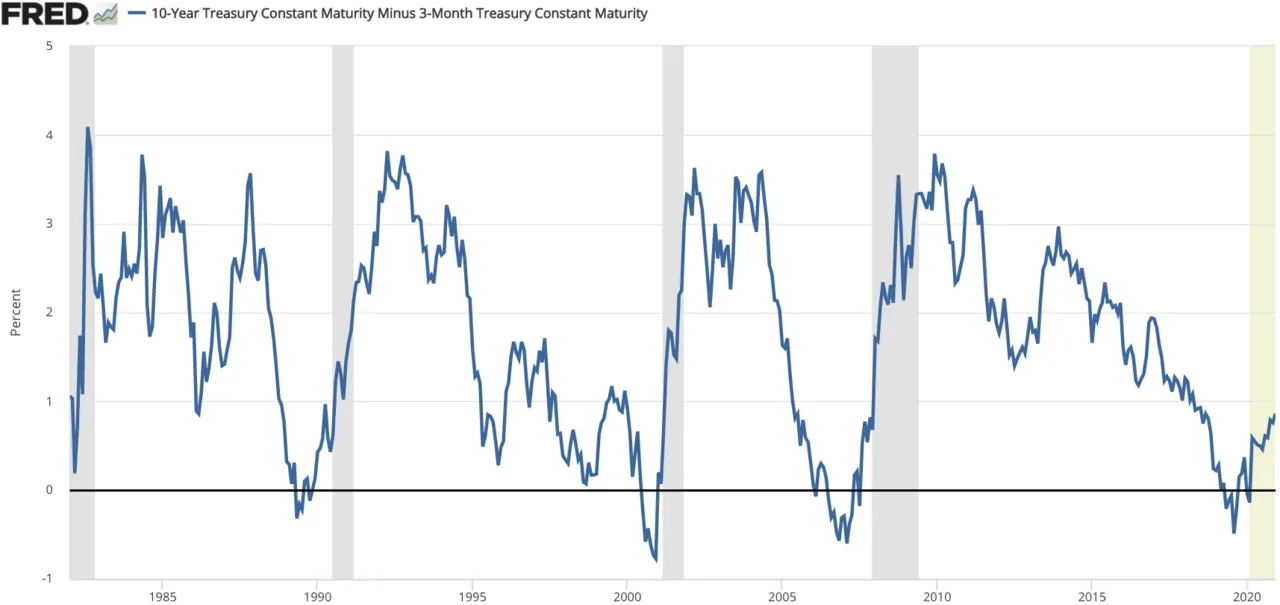
US Treasury yields surged to near 20-year highs on Friday, with the 10-year Treasury yield holding steady at 5.20% after peaking at a 19-year high of 5.228%. The rise was driven by hawkish comments from Federal Reserve officials and a recent 25-basis-point rate hike.
The long-end of the yield curve, particularly the 20s and 30s, posted gains, while the short-end and the belly of the curve retreated from multi-year high levels. This shift underscores the risks to the US economy as inflation remains stubbornly high.
Inflation, linked to the ongoing US-Iran conflict and high oil prices, has been a key factor in pushing Treasury yields higher. Treasury Secretary Scott Bessent has characterized the rise in inflation as transitory, but the market remains skeptical.
Bessent defended his controversial bond-buyback program before Congress, arguing that without these interventions, yields would have been even higher. He also clashed with Democrats over whether tariffs are driving inflation, insisting that his market interventions have worked.
The 10-year Treasury yield briefly exceeded 5%, a level not seen since 2007, despite the Treasury Department’s efforts to suppress costs. Bessent had dared investors to bet against him, but the market’s reaction suggests the limits of his ability to bend global markets.
Stocks fell as 10-year Treasury yields surged to 2007 highs, with the 5-year Treasury auction hitting its highest yield since 2007. The 2-year Treasury yield also advanced, reaching 4.666%, while the 30-year Treasury bond yield reached 5.374%.
What this adds
The rise in Treasury yields continues to defy Treasury Secretary Scott Bessent’s efforts to suppress costs, despite his interventions and bond-buyback programs.
Background
The yield on the 10-year Treasury bond surged to its highest level since 2007, reaching 5.13%, as new economic data revealed rising inflation and oil prices climbed back above $102 per barrel.
The US 10-year Treasury yield climbed to its highest level since 2007, surpassing 5%, amid strong job data and persistent inflation concerns.
What's confirmed
- US Treasury yields surged to near 20-year highs on Friday, with the 10-year Treasury yield holding steady at 5.20% after peaking at a 19-year high of 5.228%. The rise was driven by hawkish comments from Federal Reserve officials and a recent 25-basis-point rate hike.
- The long-end of the yield curve, particularly the 20s and 30s, posted gains, while the short-end and the belly of the curve retreated from multi-year high levels. This shift underscores the risks to the US economy as inflation remains stubbornly high.
- Inflation, linked to the ongoing US-Iran conflict and high oil prices, has been a key factor in pushing Treasury yields higher. Treasury Secretary Scott Bessent has characterized the rise in inflation as transitory, but the market remains skeptical.
- Bessent defended his controversial bond-buyback program before Congress, arguing that without these interventions, yields would have been even higher. He also clashed with Democrats over whether tariffs are driving inflation, insisting that his market interventions have worked.
- The 10-year Treasury yield briefly exceeded 5%, a level not seen since 2007, despite the Treasury Department’s efforts to suppress costs. Bessent had dared investors to bet against him, but the market’s reaction suggests the limits of his ability to bend global markets.
- Stocks fell as 10-year Treasury yields surged to 2007 highs, with the 5-year Treasury auction hitting its highest yield since 2007. The 2-year Treasury yield also advanced, reaching 4.666%, while the 30-year Treasury bond yield reached 5.374%.
What's still developing
- Worldwide yields remain underpinned by high Oil prices as the US-Iran war continues, keeping inflationary pressures elevated.
- Ahead of the upcoming Federal Reserve meeting, stubborn inflation, rising Treasury yields and signals from other central banks have all raised the prospect of a rate hike, which economists say is now all but certain.
- Treasurys have had little immediate market impact, but the headline numbers underscore the risks to U.S.
- Inflation was running at 3.4% at the time of the hearing, which examined Treasury's decision to expand its longer-dated bond buybacks, which the department has said were intended to support liquidity in the market.
- Treasury announced in August that it would at least double the maximum size of its longer-dated liquidity-support buyback operations beginning Sept. 9.
- Bessent is preparing talks with China on Iran's financial ties ahead of a Trump-Xi summit scheduled for late September, suggesting the Treasury's international negotiations will intensify.
- The Trump administration 's economic strategy came under fire during the annual hearing on the international financial system, with Treasury Secretary Scott Bessent insisting his market interventions worked.
- Dow Jones Today | US Stock Market Live: The S&P 500 and Nasdaq ended sharply higher on Monday, lifted by gains in Advanced Micro Devices and other AI heavyweights, while Treasury yields retreated from recent highs and crude prices tumbled to an 11-day low on speculation about a potential breakthrough in Middle East talks at a UN meeting this week.
- The 10-year Treasury note closed at a high yield of 4.8%, a level not seen in nearly three years and more than 60 basis points above estimates from the Congressional Budget Office (CBO), while the 2-year Treasury yield is at a near 2-year high of 4.4%.
- The spike in those rates seem to defy Mr. Bessent’s efforts to suppress costs when he ordered the Treasury Department to buy back $5.2 billion of long-dated debt.
- At a fireside chat at Southern Methodist University last week, Treasury Secretary Scott Bessent scoffed at those who doubted the wisdom of his interventions in currency and bond markets and dared investors to bet against him.
- The yield on 10-year Treasury bonds surpassed 5 percent for the first time since 2023 and only the second time since the 2008 financial crisis.
Sources
- FXStreetlink
- Newslink
- Fxstreetlink
- Legis1link
- Economictimeslink
- Crfblink
- The New York Timeslink
- Tradingkeylink
- Investinglivelink
- Ozarablink
- Fox Newslink
- Sundayguardianlivelink
- Interactivecryptolink
- WarpBeat — background on US Treasury Yields Surge to Near 20-Year High Amid Rising Oil Prices link
- WarpBeat — background on US Treasury Yields Soar Amid Strong Job Data and Inflation Worries link
- Forbes Breaking News — video link