
Home · Business · Sep 23 archive
US Treasury Yields Soar Amid Strong Job Data and Inflation Worries
Confirmed
In Short: The US 10-year Treasury yield climbed to its highest level since 2007, surpassing 5%, amid strong job data and persistent inflation concerns.
On September 10, the European Central Bank raised its key interest rates by 25 basis points, citing inflationary pressures from the ongoing conflict.
Employers added 162,000 jobs in August, with the unemployment rate holding steady at 4.1%, according to the Bureau of Labor Statistics.
The latest consumer price index (CPI) report showed inflation remained elevated at 3.4% in August, reinforcing expectations for a Federal Reserve rate hike.
Jai Kedia, a research fellow at the Cato Institute, said a rate hike is likely given the positive labor market data and stubbornly high inflation.
The Federal Reserve is expected to raise the benchmark interest rate by 25 basis points, signaling a more challenging period ahead for the economy.
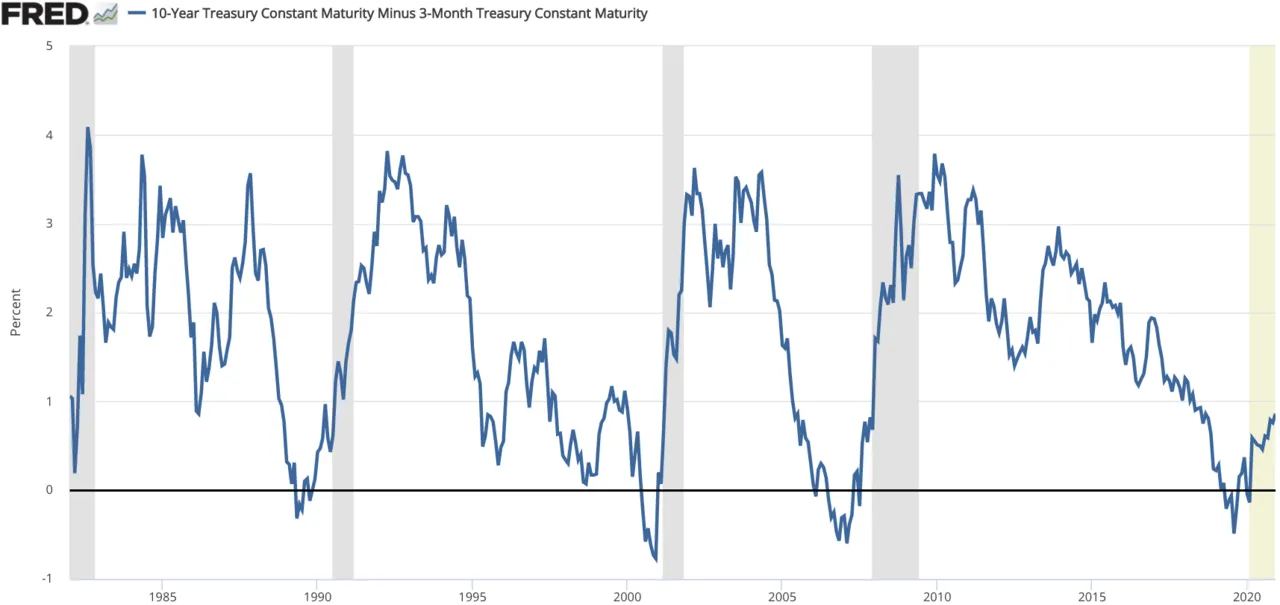
The 10-year US Treasury yield climbed to its highest level since 2007, topping 5%, as oil prices surged more than 3%, reviving inflation worries.
The US Dollar strengthened, supported by rising US yields and rate-hike expectations, leading to a slide in growth-sensitive currencies like the New Zealand Dollar.
Chicago Fed President Austan Goolsbee rejected calls for interest-rate cuts, warning that such moves could fuel inflation and raise borrowing costs.
The 10-year Treasury note closed at a high yield of 4.8%, a level not seen in nearly three years, while the 2-year Treasury yield is at a near 2-year high of 4.4%.
Rising rates are likely due to a combination of factors including high national debt, inflation compounded by the conflict in Iran, and increased international tensions.
Thoughtful deficit reduction is the best way to reduce interest rates and put the debt on a more sustainable path.
US business activity growth accelerated to its fastest rate in over five years, with input costs rising at the steepest rate in four years, driven by fuel and transport costs.
What this adds
The sources have not established a direct link between the European Central Bank's rate hike and the US Treasury yields' climb.
What's confirmed
- On September 10, the European Central Bank raised its key interest rates by 25 basis points, citing inflationary pressures from the ongoing conflict.
- Employers added 162,000 jobs in August, with the unemployment rate holding steady at 4.1%, according to the Bureau of Labor Statistics.
- The latest consumer price index (CPI) report showed inflation remained elevated at 3.4% in August, reinforcing expectations for a Federal Reserve rate hike.
- Jai Kedia, a research fellow at the Cato Institute, said a rate hike is likely given the positive labor market data and stubbornly high inflation.
- The Federal Reserve is expected to raise the benchmark interest rate by 25 basis points, signaling a more challenging period ahead for the economy.
- The 10-year US Treasury yield climbed to its highest level since 2007, topping 5%, as oil prices surged more than 3%, reviving inflation worries.
- The US Dollar strengthened, supported by rising US yields and rate-hike expectations, leading to a slide in growth-sensitive currencies like the New Zealand Dollar.
- Chicago Fed President Austan Goolsbee rejected calls for interest-rate cuts, warning that such moves could fuel inflation and raise borrowing costs.
- The 10-year Treasury note closed at a high yield of 4.8%, a level not seen in nearly three years, while the 2-year Treasury yield is at a near 2-year high of 4.4%.
- Rising rates are likely due to a combination of factors including high national debt, inflation compounded by the conflict in Iran, and increased international tensions.
- Thoughtful deficit reduction is the best way to reduce interest rates and put the debt on a more sustainable path.
- US business activity growth accelerated to its fastest rate in over five years, with input costs rising at the steepest rate in four years, driven by fuel and transport costs.
What's still developing
- It would also mean that Fed Chair Kevin Warsh, long viewed as an inflation hawk, may be willing to risk the ire of President Donald Trump, who is threatening to halt trade with America’s key partners if the Fed doesn’t cut rates.
- During election years between 1972 to 2024, the Fed has generally been less likely to adjust interest rates in the weeks leading up to Election Day, according to a historical analysis by CME Group, a global derivatives marketplace and financial markets company.
- The meeting comes amid recent concerns over rising government debt, with a global bond sell-off pushing yields to multi-year highs, while energy prices have surged amid the ongoing war with Iran.
- A rate hike could mark a significant shift in the Fed’s approach to an economy confronting the competing pressures of persistent price increases and a still-resilient labor market.
- The administration, led by Treasury Secretary Scott Bessent, has repeatedly characterized the rise in inflation as transitory and linked to the war with Iran.
- "Fitch expects policy rates to rise faster than markets are predicting in 2026-2027, further supporting the yen and JGB demand." (This article was created with the help of an Artificial Intelligence tool and reviewed by an editor.
- The Bank of Japan (BoJ) raised its short-term interest-rate target to 1.25% from 1.00% in a 7-2 vote, marking another step in the normalisation of monetary policy and widely matching what everyone has been expecting for weeks.
- Treasury Secretary Scott Bessent’s warning on testing Japanese Yen intervention.
- Fitch Ratings adds that rising JGB yields and expected faster policy rate hikes in 2026–2027 should support the Yen and domestic bond demand over time.
- The more important response must come from the BoJ, particularly through establishing a tightening cycle that extends well beyond September." "This week’s data confirming Japanese selling of U.S.
- Treasurys have had little immediate market impact, but the headline numbers underscore the risks to U.S.
- Comments are moderated and will be allowed if they are about the topic and not abusive.