
Home · World · Sep 24 archive
Russia Targets Ukraine's Internet Infrastructure in Escalating Attacks
Confirmed
In Short: Russia has escalated its attacks on Ukraine's internet infrastructure, targeting data centers and communication nodes in Kyiv and Kyiv Oblast, according to the Digital Transformation Ministry.
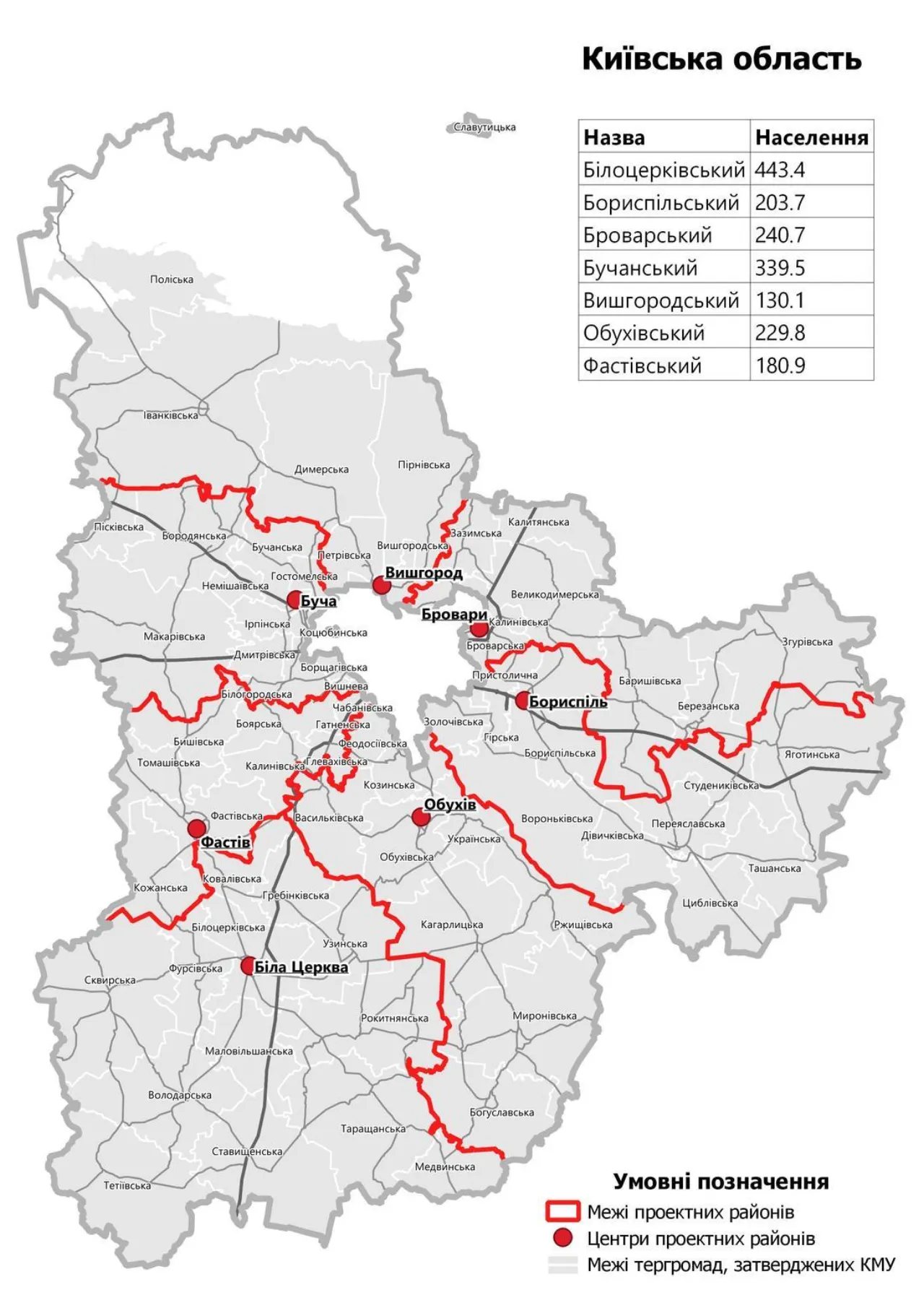
The recent drone attack on Sept. 23 caused internet problems for around 100,000 households, as specialists worked to assess the damage and restore service.
Anatolii Frolenkov, a representative of the 1-IX internet exchange point, told the Kyiv Independent that these attacks mark a shift in intensity.
Crazy Network reported that a strike damaged a central internet traffic exchange in Kyiv, disrupting internet and telephone services in the capital and in Vinnytsia and Khmelnytskyi oblasts.
Hosting provider MiroHost said its data center in Ukraine was destroyed, but around 90-95% of its customers use infrastructure outside Ukraine and were unaffected.
Frolenkov noted that while attacks on Ukraine's communications infrastructure are not new, knocking out internet access across Ukraine would be extremely difficult.
Providers can limit the impact of individual strikes by duplicating network equipment, maintaining backup communications routes, and distributing infrastructure across different locations, including outside Ukraine.
Despite the recent damage, Frolenkov said, 'The internet will not disappear completely.
Russia's attacks on Ukraine's internet infrastructure come as it seeks new ways to destabilize life in Ukraine and terrorize civilians, according to Frolenkov.
The market is now braced for Brent crude to trade above $100/barrel on a sustained basis, with Saudi Arabia halting operations at several southern energy facilities after attacks.
President Donald Trump suggested that Ukrainian attacks on Russian energy infrastructure had driven up diesel prices, but it is hard to determine the exact impact of these strikes.
Ukrainian deep strike drone attacks have hit 30-40% of Russian refineries, leading Russia to ban exports of diesel and refined products.
There have been significant shortages at the pumps across Russia, and Trump's narrative might be an attempt to deflect blame for the global spike in energy prices.
What this adds
The attacks on Ukraine's internet infrastructure are part of a broader strategy by Russia to disrupt the flow of information and destabilize the country.
The impact of these attacks on Ukraine's internet infrastructure is significant, but providers are working to mitigate the damage.
The global energy market is closely watching the situation in Ukraine and Russia, with concerns about supply disruptions and price increases.
What's confirmed
- The recent drone attack on Sept. 23 caused internet problems for around 100,000 households, as specialists worked to assess the damage and restore service.
- Anatolii Frolenkov, a representative of the 1-IX internet exchange point, told the Kyiv Independent that these attacks mark a shift in intensity.
- Crazy Network reported that a strike damaged a central internet traffic exchange in Kyiv, disrupting internet and telephone services in the capital and in Vinnytsia and Khmelnytskyi oblasts.
- Hosting provider MiroHost said its data center in Ukraine was destroyed, but around 90-95% of its customers use infrastructure outside Ukraine and were unaffected.
- Frolenkov noted that while attacks on Ukraine's communications infrastructure are not new, knocking out internet access across Ukraine would be extremely difficult.
- Providers can limit the impact of individual strikes by duplicating network equipment, maintaining backup communications routes, and distributing infrastructure across different locations, including outside Ukraine.
- Despite the recent damage, Frolenkov said, 'The internet will not disappear completely.
- Russia's attacks on Ukraine's internet infrastructure come as it seeks new ways to destabilize life in Ukraine and terrorize civilians, according to Frolenkov.
- The market is now braced for Brent crude to trade above $100/barrel on a sustained basis, with Saudi Arabia halting operations at several southern energy facilities after attacks.
- President Donald Trump suggested that Ukrainian attacks on Russian energy infrastructure had driven up diesel prices, but it is hard to determine the exact impact of these strikes.
- Ukrainian deep strike drone attacks have hit 30-40% of Russian refineries, leading Russia to ban exports of diesel and refined products.
- There have been significant shortages at the pumps across Russia, and Trump's narrative might be an attempt to deflect blame for the global spike in energy prices.
What's still developing
- "Russia has targeted major Ukrainian data centers, seeking to disrupt the flow of information. Rapid alerts about missile and drone threats are essential – they save lives," Sybiha said.
- "Russia has unfortunately lost control of its Diesel Oil Industry due to its War with Ukraine," he posted on Truth Social.
- The strikes follow repeated Houthi attacks on Saudi energy infrastructure, including the 400,000 barrel/day Jazan refinery, which had already been offline since July." "The disruption comes as shipments through the Strait of Hormuz remain constrained by the U.S.-Iranian conflict, increasing the risk of simultaneous supply losses across key Middle East export routes.
- This appeared to repeat a narrative from Treasury Secretary Bessent that it was Ukrainian attacks on Russia, and not the war effort on Iran, which had driven US diesel prices to record prices - over $6 a gallon.
- Russia launched a drone and missile attack on Kyiv on the night of Sept. 16-17, damaging an education facility and injuring at least 20 people in Ukraine's capital, officials reported.
- Russia's attack resumed when ballistic missiles targeted Ukraine's capital at around 2:13 a.m. local time with "two big explosions in quick succession, then another after about a minute," War Editor Chris York said.
- Homes and commercial infrastructure were also damaged in the oblast's Fastivskyi district, the Military Administration wrote.
- Russian forces attacked Kyiv on the morning of Sept. 15, killing one person and injuring at least 12 others, local authorities said.
- Russia launched a large-scale overnight attack on Ukrainian cities, using ballistic and cruise missiles, Shahed-type one-way attack drones, and Oniks anti-ship missiles, the Air Force said.