
Home · World
Middle East Democracy Faces Challenges Amid Autocratic Trends
Confirmed
In Short: According to the Varieties of Democracy (V-Dem) Institute, 74 percent of the world’s population now lives under autocracies, with the Middle East and North Africa (MENA) region ranking as the world’s most autocratic.
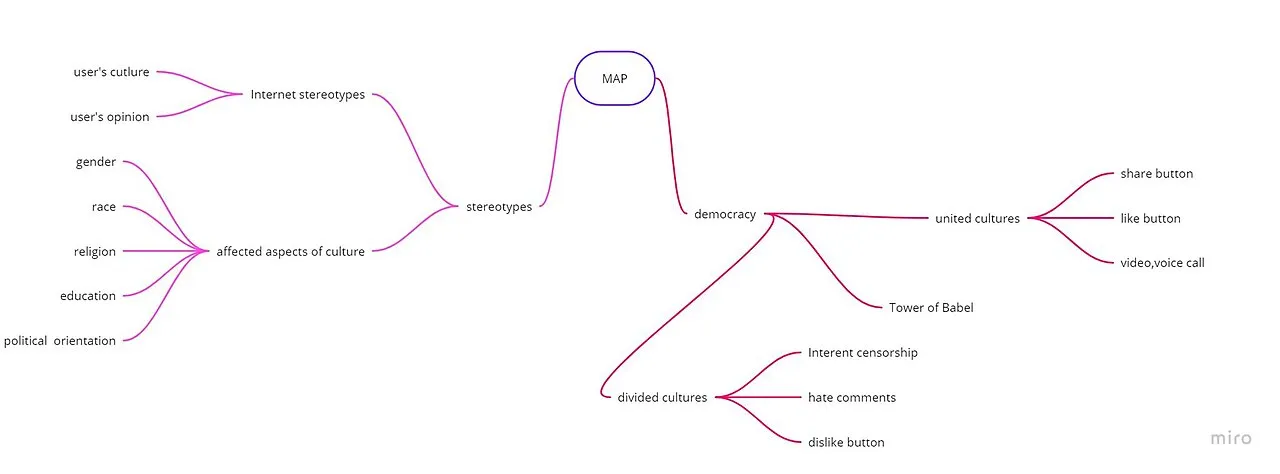
Stereotypes and democracy.
The Varieties of Democracy (V-Dem) Institute's latest report highlights a concerning trend in global democracy, with 74 percent of the world's population now living under autocratic regimes, dragging the global average back to 1978 levels.
In the Middle East and North Africa (MENA), the situation is particularly dire, with V-Dem’s 2026 Democracy Report ranking the region as the world’s most autocratic, placing more than 90 percent of its population under closed or electoral autocracies.
Despite these grim statistics, some experts argue that the fight for democracy is far from over. Khalil Shikaki, a founding senior fellow at the Crown Center for Middle East Studies at Brandeis University, noted a significant shift in Palestinian public opinion towards peace with Israel.
Without a clear path to resolving the conflict, the administration's actions have failed to achieve their stated goals, leaving the Middle East in a state of ongoing tension.
This new reality is reshaping the Middle East: On August 7, Saudi Arabia, Pakistan, and Turkey announced a new mutual defense agreement.
Across wide swaths of the Middle East and North Africa (MENA), politics is perennially gasping for air inside a tightening web of geopolitical chokepoints.
Defense and Security, Nuclear Proliferation, US Policy in the Middle East, Gulf and Arabian Peninsula, Iran President Donald Trump’s next move on Iran should follow from what he actually wants, and with his legacy at stake, the choice matters.
Central Command announced a third carrier strike group, the USS Theodore Roosevelt, had arrived in the Middle East, adding about 10,000 sailors and Marines to U.S. forces in the region.
Restoring Social Trust in Democracy, International Issues, Iran, Middle East, National Security, Trump Administration +3 More When the Trump administration launched strikes on Iran nearly six months ago, it promised swift success.
Without a path to long-term resolution of the war, leverage to wrest Iran’s control over the Strait of Hormuz, or a means to curtail Iran’s nuclear weapons program, the administration remains embroiled in what increasingly appears to be a quagmire in the Middle East.
At the six-month mark of an irresponsible war of choice in Iran, the Trump administration has become mired in a Middle East quagmire it can neither win nor easily exit.
What this adds
The report adds to the ongoing debate about the future of democracy in the Middle East, highlighting both the challenges and the potential for change.
What's confirmed
- The Varieties of Democracy (V-Dem) Institute's latest report highlights a concerning trend in global democracy, with 74 percent of the world's population now living under autocratic regimes, dragging the global average back to 1978 levels.
- In the Middle East and North Africa (MENA), the situation is particularly dire, with V-Dem’s 2026 Democracy Report ranking the region as the world’s most autocratic, placing more than 90 percent of its population under closed or electoral autocracies.
- Despite these grim statistics, some experts argue that the fight for democracy is far from over. Khalil Shikaki, a founding senior fellow at the Crown Center for Middle East Studies at Brandeis University, noted a significant shift in Palestinian public opinion towards peace with Israel.
- Without a clear path to resolving the conflict, the administration's actions have failed to achieve their stated goals, leaving the Middle East in a state of ongoing tension.
- This new reality is reshaping the Middle East: On August 7, Saudi Arabia, Pakistan, and Turkey announced a new mutual defense agreement.
- Across wide swaths of the Middle East and North Africa (MENA), politics is perennially gasping for air inside a tightening web of geopolitical chokepoints.
- Defense and Security, Nuclear Proliferation, US Policy in the Middle East, Gulf and Arabian Peninsula, Iran President Donald Trump’s next move on Iran should follow from what he actually wants, and with his legacy at stake, the choice matters.
- Central Command announced a third carrier strike group, the USS Theodore Roosevelt, had arrived in the Middle East, adding about 10,000 sailors and Marines to U.S. forces in the region.
- Restoring Social Trust in Democracy, International Issues, Iran, Middle East, National Security, Trump Administration +3 More When the Trump administration launched strikes on Iran nearly six months ago, it promised swift success.
- Without a path to long-term resolution of the war, leverage to wrest Iran’s control over the Strait of Hormuz, or a means to curtail Iran’s nuclear weapons program, the administration remains embroiled in what increasingly appears to be a quagmire in the Middle East.
- At the six-month mark of an irresponsible war of choice in Iran, the Trump administration has become mired in a Middle East quagmire it can neither win nor easily exit.
What's still developing
- Across wide swaths of the Middle East and North Africa (MENA), politics is perennially gasping for air inside a tightening web of geopolitical chokepoints.
- Defense and Security, Nuclear Proliferation, US Policy in the Middle East, Gulf and Arabian Peninsula, Iran President Donald Trump’s next move on Iran should follow from what he actually wants, and with his legacy at stake, the choice matters.
- The assault came after U.S. Central Command announced a third carrier strike group, the USS Theodore Roosevelt, had arrived in the Middle East, adding about 10,000 sailors and Marines to U.S. forces in the region.
- Restoring Social Trust in Democracy, International Issues, Iran, Middle East, National Security, Trump Administration +3 More When the Trump administration launched strikes on Iran nearly six months ago, it promised swift success.
- Without a path to long-term resolution of the war, leverage to wrest Iran’s control over the Strait of Hormuz, or a means to curtail Iran’s nuclear weapons program, the administration remains embroiled in what increasingly appears to be a quagmire in the Middle East.
- At the six-month mark of an irresponsible war of choice in Iran, the Trump administration has become mired in a Middle East quagmire it can neither win nor easily exit.
- This new reality is reshaping the Middle East: On August 7, Saudi Arabia, Pakistan, and Turkey announced a new mutual defense agreement.