
Home · Business
Tata Sons Postpones Board Meeting Amid Listing Controversy
Confirmed
In Short: Despite the postponement and legal challenges, Tata Sons continues to navigate the regulatory landscape and shareholder demands, with the November 30 board meeting set to address critical issues including the company’s potential stock market listing.
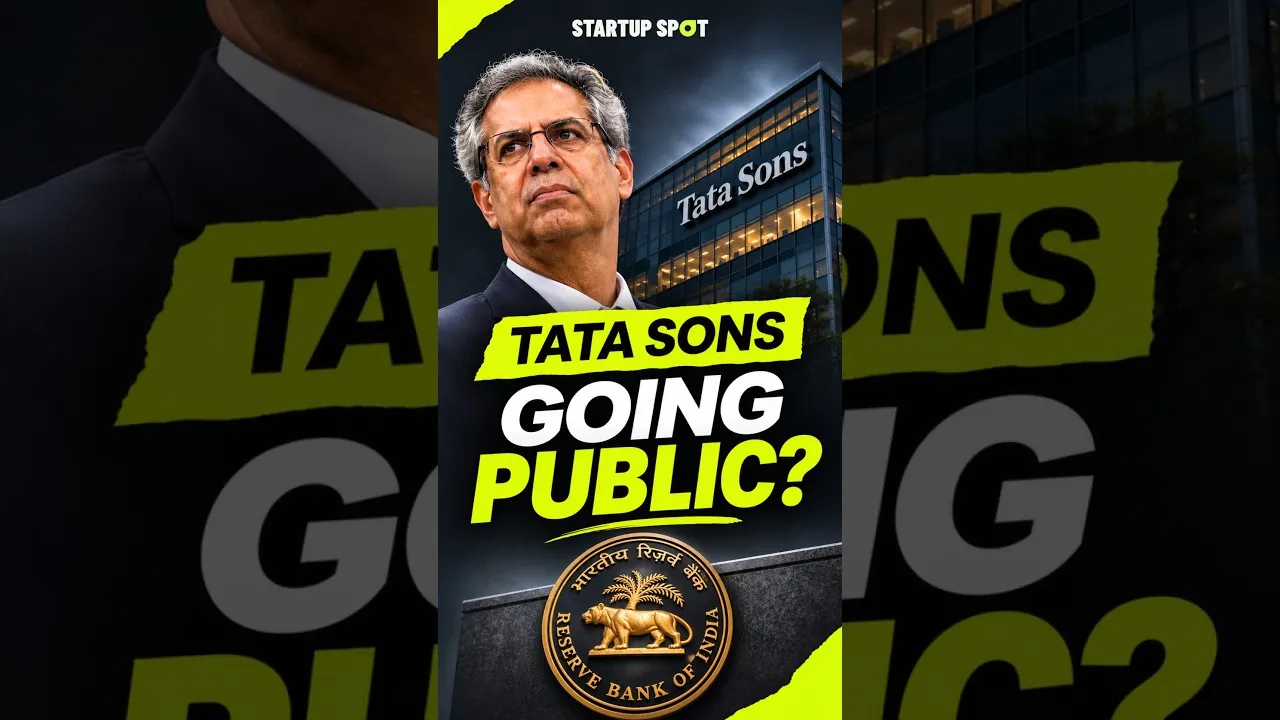
Tata Sons has postponed its board meeting from November 26 to November 30 following objections raised by Tata Trusts chairman Noel Tata. Noel Tata requested additional time for directors to review the agenda and supporting documents, citing concerns over the limited time available to examine matters with significant implications for the company and its shareholders.
In a letter dated November 16, the Reserve Bank of India (RBI) reiterated that Tata Sons must comply with all applicable regulatory requirements, including those related to a public listing. The RBI classified Tata Sons as an NBFC-Upper Layer, mandating the company to list.
Tata Trusts, which holds a 66% stake in Tata Sons, has filed suits in the Bombay High Court challenging the reappointment of Natarajan Chandrasekaran as executive chairman for a third five-year term. The trusts argue that the September 17 board resolution reappointing Chandrasekaran was invalid as it did not receive the required affirmative vote under Article 121 of the company's Articles of Association.
The Bombay High Court declined to grant interim relief to Tata Trusts, which sought to defer the November 30 board meeting and restrain Chandrasekaran from exercising his casting vote. The court ordered Tata Sons and the other respondents to submit their reply affidavits and posted the matter for further hearing on January 18, 2027.
Tata Trusts has sought Rs 50 crore from Tata Sons, while the RD Tata Trust has demanded Rs 15 crore in damages, with 18% annual interest. The legal dispute could have wider implications for Tata Sons’ corporate governance framework, particularly regarding board-level decision-making and the conglomerate’s future strategic direction.
Tata Sons maintains that the chairman can exercise a casting vote when the Trusts nominee votes are split. However, Tata Trusts argues that a split between its nominee directors means the requisite affirmative majority has not been secured.
The next board meeting on November 30 will proceed without any legal restraint, but any board resolution will be subject to the final court order. The meeting's agenda includes the proposed listing of Tata Sons, which has been a contentious issue.
The Reserve Bank of India’s directive to comply with all applicable regulations governing upper-layer NBFCs, including the listing requirement, has been a significant factor in the ongoing dispute. The directive is expected to be on the agenda of the Tata Sons board meeting on November 30.
Tata Trusts’ legal challenge and the RBI’s directive have created a complex situation for Tata Sons, with the company now facing both regulatory and shareholder pressures over its future direction.
The legal and regulatory challenges facing Tata Sons highlight the complexities of corporate governance in India, particularly for large conglomerates with significant stakeholder interests.
In a letter dated November 16, addressed to the Chief Financial Officer of Tata Sons, the central bank referred to the company’s October 6 communication seeking guidance on compliance with applicable regulations.
What's confirmed
- In a letter dated November 16, addressed to the Chief Financial Officer of Tata Sons, the central bank referred to the company’s October 6 communication seeking guidance on compliance with applicable regulations.
- The Sir Dorabji Tata Trust (SDTT) and the RD Tata Trust (RDTT) had filed the suits in the High Court against Tata Sons and six of its directors, challenging the reappointment of Chandrasekaran as executive chairman for a third five-year term.
- According to a Business Standard report, Tata Sons filed the caveats late on November 27 as a precautionary measure to ensure that the company is heard before any interim relief is granted on a potential appeal challenging the Bombay High Court’s order.
- The Tata Trusts suit also sought a restraint on the November 30 board meeting agenda that includes a proposed listing of Tata Sons.
- Noel Tata, Tata Trusts chairman and nominee director on Tata Sons board, had voted against Chandrasekaran’s third term while Venu Srinivasan, the other nominee director, had voted in favour of the proposal on September 17, resulting in a tie, forcing a casting vote from acting chairman Harish Manwani.
What's still developing
- Jehangir is a trustee at Sir Ratan Tata Trust (SRTT) —another core shareholder of Tata Sons.
- He reportedly objected to the timing of the meeting documents, which were uploaded on November 22, leaving directors only four days to examine the material before the scheduled meeting.
- A man walks past a pedestrian pole with the Tata Group logo outside Bombay House, the Tata Group headquarters building in Mumbai, India, September 28, 2026.
- He added that Singh had proposed Bhaskar Bhatt's appointment at the very same November 11 meeting where Khambata proposed Neville Tata.
- In his latest communication, Khambata expressed disappointment that Srinivasan and Singh's November 13 letter failed to explain their change in position as regards the proposed public listing of the company.
- Listed Tata companies together own about 11.94% of the parent, and its board meets on November 26 with Tata Trusts still opposed to a listing.
- A letter dated Monday, November 16, from the Reserve Bank of India to the chief financial officer of Tata Sons was enough to send listed Tata companies sharply higher on Tuesday.