
Home · World
Spain’s 2026 election explained in maps and charts
· Confirmed
In Short: Al Jazeera and Inews reported that the election was called after huge demonstrations across Spain over the weekend, highlighting the housing affordability crisis.
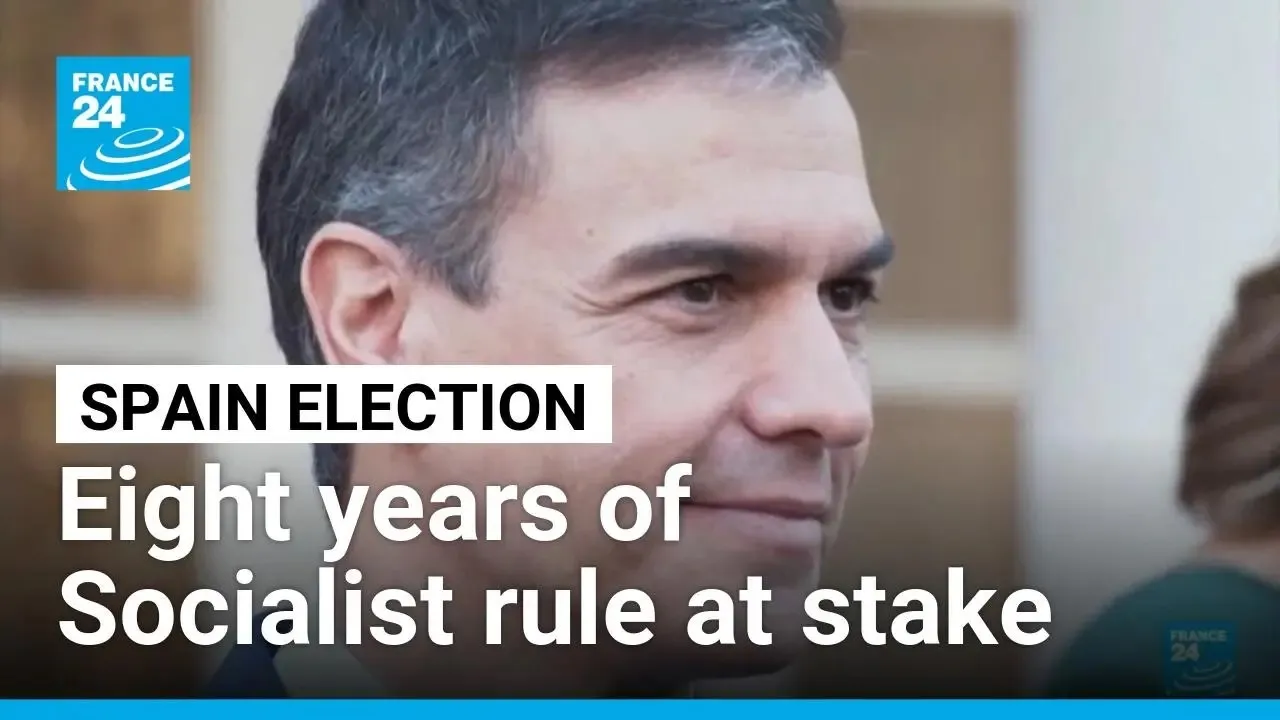
Spanish Prime Minister Pedro Sanchez announced a snap election for November 29, aiming to strengthen his mandate after a fragmented parliament rejected his government's key housing decrees, according to Al Jazeera and Inews.
Inews reported that Sanchez's decision was a gamble, as it could potentially usher in the far-right for the first time since the end of Francisco Franco’s dictatorship in 1975. Al Jazeera noted that the election was triggered by an internal political crisis after parliament voted down the government’s housing decrees, including stronger protections for tenants.
Sánchez called the election in a video statement from the Moncloa Palace at 9 am local time (0700 GMT) convened an extraordinary cabinet meeting later that morning to dissolve parliament and call the election.
Unions reported a significant response in some sectors during a 24-hour general strike, with about four million Spanish workers participating strike, launched less than three weeks before the snap election, transformed Spain's housing emergency into a defining fault line of the country's political moment.
The snap election comes at a difficult moment both domestically and internationally, with foreign policy crises casting a shadow over the campaign, as noted by Al Jazeera. The positions Spanish political parties have adopted towards Morocco during the election campaign range from moderate to confrontational, with incumbent Prime Minister Sanchez taking a restrained approach and parties like Vox adopting a more hardline stance.
The election was called after huge demonstrations across Spain over the weekend, highlighting the housing affordability crisis. The protests have led the government to call a snap election on November 29, after it was unable to pass housing reforms in the legislature, where it lacks an outright majority.
The election is expected to deliver a victory for conservatives and the far right, according to AFP. Sanchez called a snap election after Congress rejected his emergency housing reforms, as reported by BBC.
Al Jazeera noted that the positions Spanish political parties have adopted towards Morocco during the election campaign range from moderate to confrontational. While incumbent Prime Minister Pedro Sanchez has taken a restrained and cautious approach towards Morocco, parties such as Vox have adopted a more hardline stance, going so far as to promise a review of Spain’s relations with its southern neighbour.
The snap election was a response to the housing affordability crisis and political unrest, with Sanchez calling the election to strengthen his mandate after a fragmented parliament rejected his government's key housing decrees.
The election will be held against a backdrop of a housing crisis that has reached such great proportions that it has become a major political issue, with millions of Spaniards participating in a general strike to protest the lack of affordable housing.
What's confirmed
- Spanish Prime Minister Pedro Sanchez announced a snap election for November 29, aiming to strengthen his mandate after a fragmented parliament rejected his government's key housing decrees, according to Al Jazeera and Inews.
- Inews reported that Sanchez's decision was a gamble, as it could potentially usher in the far-right for the first time since the end of Francisco Franco’s dictatorship in 1975. Al Jazeera noted that the election was triggered by an internal political crisis after parliament voted down the government’s housing decrees, including stronger protections for tenants.
- Sánchez called the election in a video statement from the Moncloa Palace at 9 am local time (0700 GMT) convened an extraordinary cabinet meeting later that morning to dissolve parliament and call the election.
- Unions reported a significant response in some sectors during a 24-hour general strike, with about four million Spanish workers participating strike, launched less than three weeks before the snap election, transformed Spain's housing emergency into a defining fault line of the country's political moment.
- The snap election comes at a difficult moment both domestically and internationally, with foreign policy crises casting a shadow over the campaign, as noted by Al Jazeera. The positions Spanish political parties have adopted towards Morocco during the election campaign range from moderate to confrontational, with incumbent Prime Minister Sanchez taking a restrained approach and parties like Vox adopting a more hardline stance.
- The election was called after huge demonstrations across Spain over the weekend, highlighting the housing affordability crisis. The protests have led the government to call a snap election on November 29, after it was unable to pass housing reforms in the legislature, where it lacks an outright majority.
- The election is expected to deliver a victory for conservatives and the far right, according to AFP. Sanchez called a snap election after Congress rejected his emergency housing reforms, as reported by BBC.
- Al Jazeera noted that the positions Spanish political parties have adopted towards Morocco during the election campaign range from moderate to confrontational. While incumbent Prime Minister Pedro Sanchez has taken a restrained and cautious approach towards Morocco, parties such as Vox have adopted a more hardline stance, going so far as to promise a review of Spain’s relations with its southern neighbour.
- The snap election was a response to the housing affordability crisis and political unrest, with Sanchez calling the election to strengthen his mandate after a fragmented parliament rejected his government's key housing decrees.
- The election will be held against a backdrop of a housing crisis that has reached such great proportions that it has become a major political issue, with millions of Spaniards participating in a general strike to protest the lack of affordable housing.
What's still developing
- In 2023, about 99 percent of votes had been counted by 11:45pm.
- Spain is also in focus after news broke that there would be a snap election at the end of November.
- Spanish elections: What you need to know and what's at stake Sparking the protests in September was the eviction – and subsequent death in hospital – of 87-year-old Maricarmen Abascal (no relation to Santiago).