
Home · World
Canada's Top Court Upholds Quebec's Religious Symbols Ban
Confirmed
In Short: Canada’s Supreme Court has largely upheld Quebec’s secularism law, maintaining a ban on public sector workers wearing religious symbols.
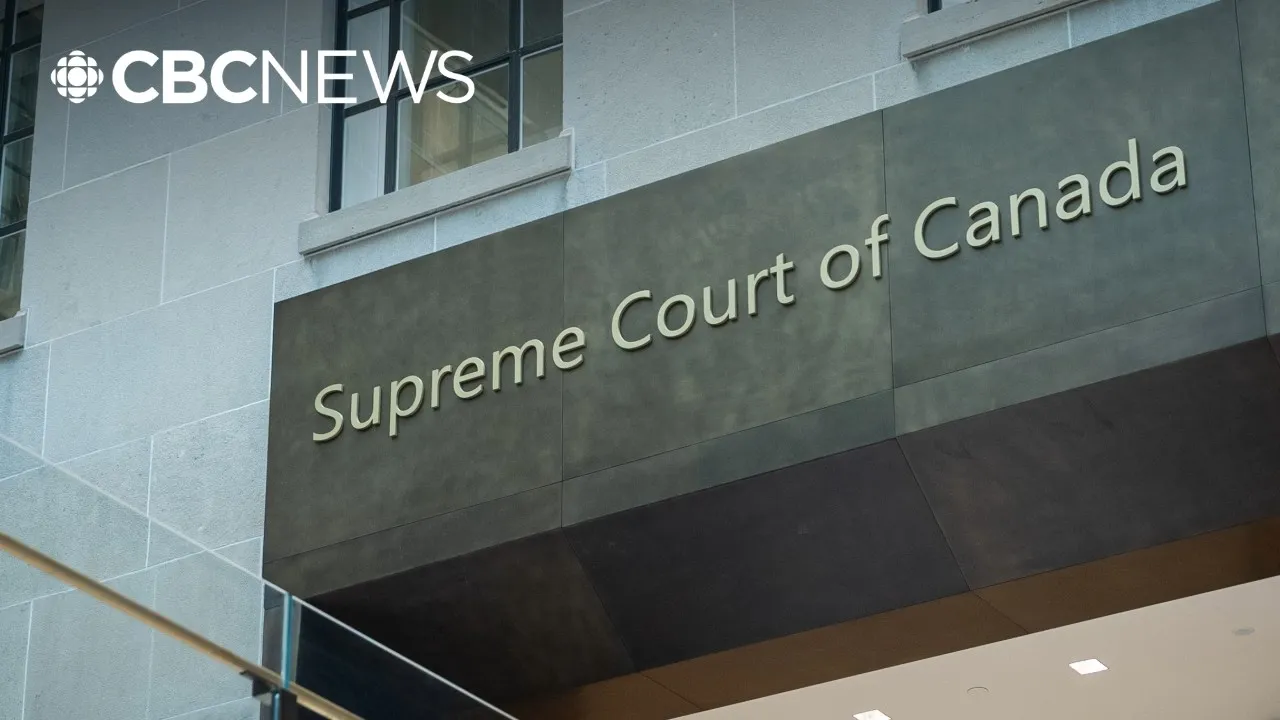
Supreme Court of Canada upholds Quebec’s controversial secularism law. CBC News
The Supreme Court of Canada has largely upheld Quebec’s secularism law, known as Bill 21, which bans public sector workers from wearing religious symbols such as the hijab and the cross.
The ruling, which was closely watched, largely upholds the law but includes an exception for elected members of Quebec’s National Assembly who wear religious face coverings.
Nevien Waly, who wears a hijab and was told she could not volunteer at her children’s school under Bill 94, expressed that she had expected the court to uphold the law, though she had hoped for a different outcome.
The court’s decision also addresses the broader question of how far governments can go in using the notwithstanding clause, a constitutional provision that allows lawmakers to override certain protections in the Charter of Rights and Freedoms.
The justices noted that the notwithstanding clause cannot be used to authorize laws that are incompatible with the fundamental character of Canada as a free and democratic country.
The court’s ruling found that Bill 21 does not infringe the rights of Quebec’s English-speaking minority in education, though it can limit the ability of English-language school boards to recruit, retain, transfer, or promote certain people in their schools.
The court heard the case over four days in March, marking one of the longest hearings in its 151-year history, with 61 parties participating, including 51 interveners.
Quebec’s previous government passed Bill 21 in 2019, arguing it was necessary to protect the province’s secularist society.
The court’s ruling leaves the ban in place but upholds an exception to a separate rule requiring elected members of Quebec’s National Assembly to uncover their faces, finding the requirement infringed upon their democratic rights.
The Supreme Court’s decision underscores the complex balance between secularism and religious freedom in Canada.
What this adds
The court’s decision is a significant legal and social milestone, reflecting the ongoing debates around secularism and religious freedom in Canada.
What's confirmed
- A landmark ruling by Canada’s Supreme Court has largely upheld Quebec’s secularism law, leaving in place a ban on public school teachers, police officers and some other public employees wearing religious symbols at work.
- Speaking after the ruling, NCCM’s chief executive Stephen Brown said, “ In our country, in the 21st century, entire categories of people are now barred from entire sectors of employment, not because of what they have done, but because of who they are.” The court also weighed in on a question that goes beyond Quebec — how far governments can go in using the notwithstanding clause.
What's still developing
- Opponents say it discriminates against religious minorities, particularly Muslim women wearing headscarves.
- Farooq spoke with Maria Iqbal about religious freedom in Canada, his discussions with Islamophobes and where he hopes to take the NCCM next.