
Home · Business
What is China+1 strategy? How Trump’s tariffs threaten US push to reduce dependence on Beijing
Confirmed
In Short: US President Donald Trump's latest tariff offensive threatens to undermine the China+1 strategy, which has reshaped global manufacturing since the US-China trade war began in 2018.
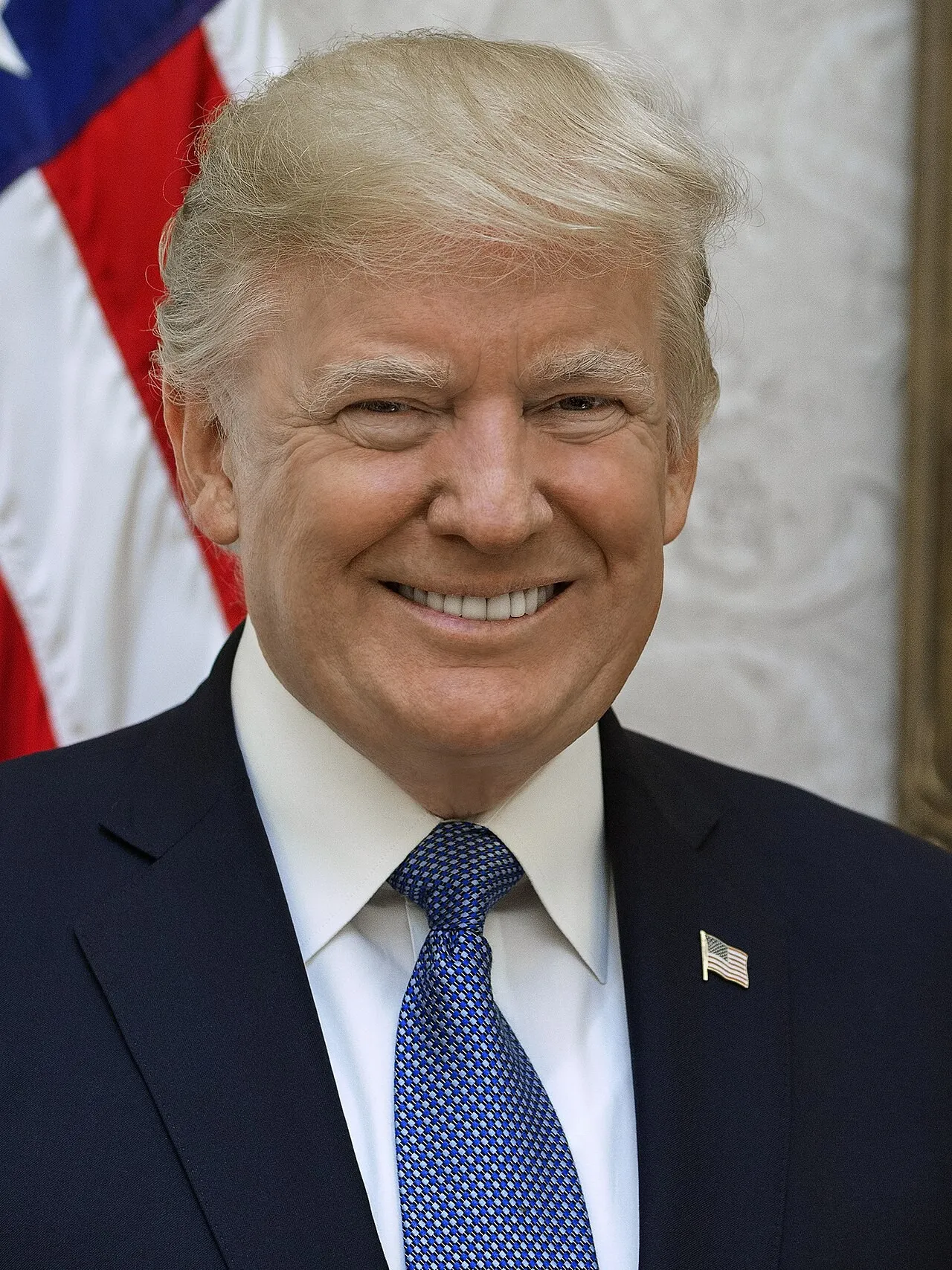
Trump’s China Tariffs Threaten Fresh Trade Tensions. Bloomberg Television
The China+1 strategy gained momentum after Washington imposed tariffs on Chinese goods in 2018, prompting companies to diversify their supply chains beyond China.
However, rising compliance costs, regulatory uncertainty, and frequent tariff changes could make further diversification commercially unattractive.
According to BusinessToday, China faces a 20% levy on top of existing tariffs, with potentially higher duties if its trade truce with Washington breaks down.
The US is considering tariffs on countries that could serve as alternatives to China, partly over concerns that Chinese goods may reach the US through third countries.
The proposal is for a tariff of up to 25% on certain Indian exports, potentially falling to 17% if India and the US reach a trade agreement.
In a letter seen by AFP, President Emmanuel Macron and Chancellor Friedrich Merz have urged the EU to ready a “credible instrument” to respond quickly to any escalation by Beijing, although China was not mentioned explicitly.
The EU last year ran a trade deficit of around a billion euros ($1.1 billion) a day with China, caused by what many in the bloc see as Beijing’s unfair trade practices.
The Quad meeting, the first leaders-level engagement in more than two years, is expected to focus on maritime security, critical technologies, infrastructure, and reducing dependence on China for critical minerals.
The China+1 strategy aims to reduce reliance on China by diversifying supply chains to other countries, but Trump's tariffs could make this strategy less viable.
This does not prove that every transaction was ordered by Beijing.
In reality, the Kremlin’s strategy of blended diplomatic impassivity and calibrated escalation may be stronger than it looks.
What's confirmed
- The China+1 strategy gained momentum after Washington imposed tariffs on Chinese goods in 2018, prompting companies to diversify their supply chains beyond China.
- However, rising compliance costs, regulatory uncertainty, and frequent tariff changes could make further diversification commercially unattractive.
- According to BusinessToday, China faces a 20% levy on top of existing tariffs, with potentially higher duties if its trade truce with Washington breaks down.
- The US is considering tariffs on countries that could serve as alternatives to China, partly over concerns that Chinese goods may reach the US through third countries.
- The proposal is for a tariff of up to 25% on certain Indian exports, potentially falling to 17% if India and the US reach a trade agreement.
- In a letter seen by AFP, President Emmanuel Macron and Chancellor Friedrich Merz have urged the EU to ready a “credible instrument” to respond quickly to any escalation by Beijing, although China was not mentioned explicitly.
- The EU last year ran a trade deficit of around a billion euros ($1.1 billion) a day with China, caused by what many in the bloc see as Beijing’s unfair trade practices.
- The Quad meeting, the first leaders-level engagement in more than two years, is expected to focus on maritime security, critical technologies, infrastructure, and reducing dependence on China for critical minerals.
- The China+1 strategy aims to reduce reliance on China by diversifying supply chains to other countries, but Trump's tariffs could make this strategy less viable.
- This does not prove that every transaction was ordered by Beijing.
- In reality, the Kremlin’s strategy of blended diplomatic impassivity and calibrated escalation may be stronger than it looks.
What's still developing
- US President Donald Trump's latest tariff offensive threatens to undermine the China+1 strategy, which has reshaped global manufacturing since the US-China trade war began in 2018.
- This does not prove that every transaction was ordered by Beijing.
- In reality, the Kremlin’s strategy of blended diplomatic impassivity and calibrated escalation may be stronger than it looks.
- China does not currently plan to invade Taiwan in 2027 but seeks to take control of the self-ruled island without force, said an annual US intelligence report, which drew ire from Beijing on Thursday.
- The Trump administration has proposed new tariffs targeting goods from 14 major U.S.
- US President Donald Trump and Prime Minister Narendra Modi face a crucial test of the Quad as Trump prepares to meet Chinese President Xi Jinping in Shenzhen. (AI-generated image) Gold still rules, but with a difference: How young India is redefining wedding jewellery Tariffs, supply snags and a war: 6 sectors that pulled it off through all of the trouble Is CoreWeave's movement signalling a return of the AI trade?
- The idea that Huang needed any encouragement in the form of an attractive woman to push for greater access to China seems like a stretch, particularly because his lobbying efforts predate their reported meeting at an Nvidia event in early 2024.
Sources
- Businesstodaylink
- Livemintlink
- Chathamhouselink
- Fox Newslink
- Runtimewirelink
- Thedefensepostlink
- Arabnewslink
- AFPlink
- Al Jazeeralink
- Orfonlinelink
- Cnbclink
- NPRlink
- Economictimeslink
- TechCrunchlink
- Bloomberg Television — video link
- WSJ News — video link
- CNN — video link
- ABC7 News Bay Area — video link
- Associated Press — video link