
Home · Business · Nov 25 archive
US Inflation Gauge Hits Three-Year High as Fed Considers December Rate Hike
Confirmed
In Short: Federal Reserve official Christopher Waller has indicated support for another interest rate increase in December, favoring a 25-basis-point hike even if October inflation comes in below expectations.
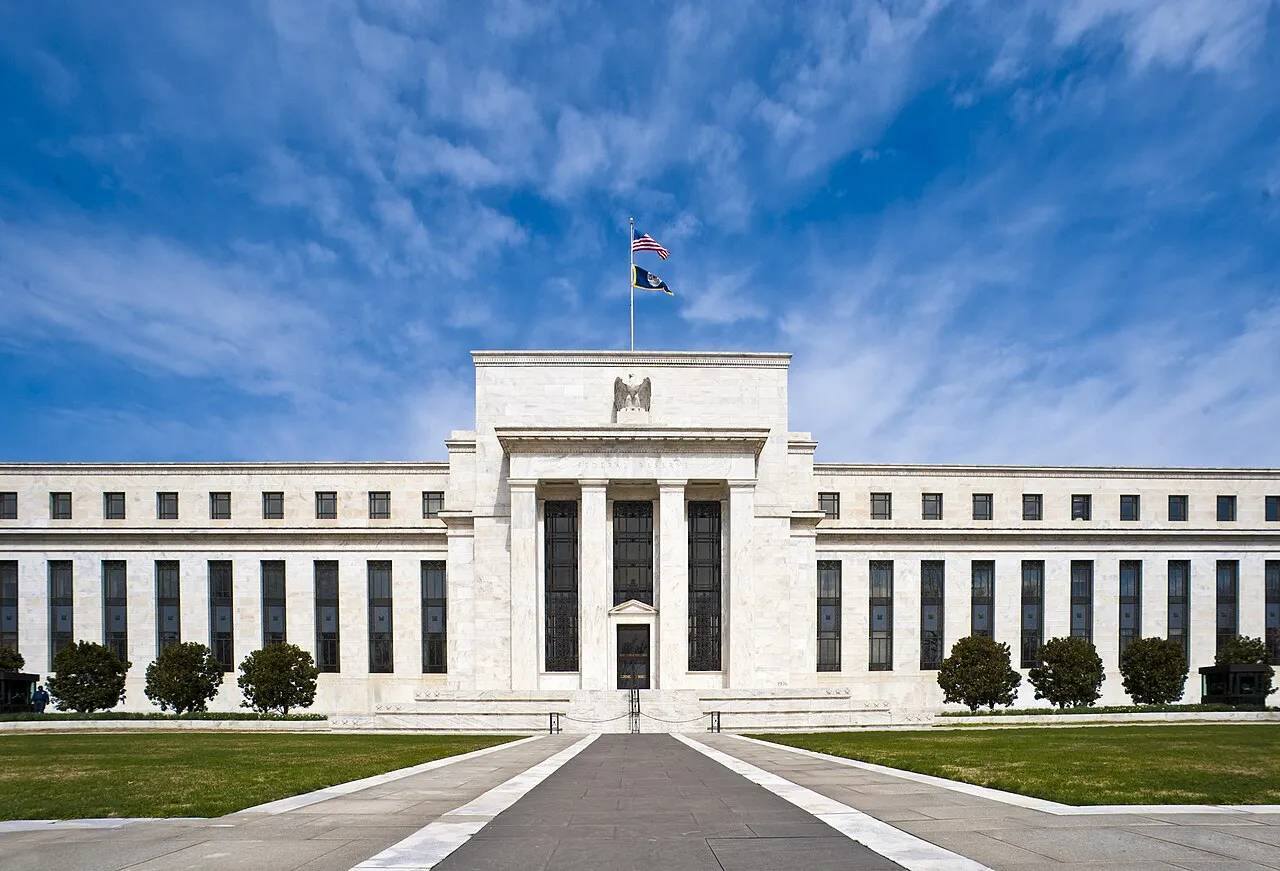
The US Federal Reserve's preferred inflation gauge, the Personal Consumption Expenditures (PCE) index, hit a three-year high in October, according to data from the Bureau of Economic Analysis (BEA). The PCE index rose 0.3% month-over-month and the annual inflation rate accelerated to 3.8% from 3.7% in September.
The rise in the PCE index was driven by increases in energy prices and nondurable goods inflation. This comes as the US GDP growth in the third quarter was revised upwards, with strong investment and consumer spending cited as key factors.
Most economists and Wall Street analysts expect the Fed to raise interest rates by 25 basis points in December, bringing the federal funds rate to a new target range of 4% to 4.25%. The CME FedWatch tool shows a 97.8% probability of this hike.
The Federal Open Market Committee (FOMC) held rates steady at its last meeting in October, but with inflation continuing to run hot, it is likely to raise rates at its next meeting in December.
The October CPI reading exceeded the consensus market forecast, which expected a monthly increase of 0.24%. This could support a bigger increase in interest rates.
The Bureau of Labor Statistics did not issue an October CPI report last year, so the agency did not publish an annualized rate of inflation for last month.
The strong economic data and persistent inflation pressures have given policymakers greater latitude to focus on inflation. However, the Fed justified its October hold by pointing to the lack of urgency to tighten policy.
EY-Parthenon chief economist Gregory Daco noted that failing to deliver the expected December hike would risk calling into question the Fed's resolve to restore price stability. He added that the possibility of a more aggressive 50-basis-point hike at year-end should not be discounted.
Over the last two years, the savings rate has declined from a peak of 6.2% in April 2025 and from 5.6% in January 2026.
The strong economic data and persistent inflation pressures have raised expectations for a December rate hike, with most economists and Wall Street analysts expecting the Fed to leave its benchmark rate unchanged at 3.75% to 4%.
Core inflation, which excludes volatile energy and gas categories, rose 2.6% from a year ago amid signs inflation could be seeping into the broader economy.
The rate remained unchanged after a 10-2 vote, where 2 officials voted to hike rates by 25 bps.
What this adds
The strong economic data and persistent inflation pressures have raised expectations for a December rate hike, with most economists and Wall Street analysts expecting the Fed to leave its benchmark rate unchanged at 3.75% to 4%. According to BBH, this “above target inflation argues for additional RBNZ rate hikes and offers NZD support,” with the swaps curve currently pricing in “80% odds of a 25bps RBNZ rate hike to 3.00% on October 28.”
Background
Gold and silver prices fell to 14-month lows as a stronger US dollar and expectations of further rate hikes dampened investor appetite.
What's confirmed
- The US Federal Reserve's preferred inflation gauge, the Personal Consumption Expenditures (PCE) index, hit a three-year high in October, according to data from the Bureau of Economic Analysis (BEA). The PCE index rose 0.3% month-over-month and the annual inflation rate accelerated to 3.8% from 3.7% in September.
- The rise in the PCE index was driven by increases in energy prices and nondurable goods inflation. This comes as the US GDP growth in the third quarter was revised upwards, with strong investment and consumer spending cited as key factors.
- Most economists and Wall Street analysts expect the Fed to raise interest rates by 25 basis points in December, bringing the federal funds rate to a new target range of 4% to 4.25%. The CME FedWatch tool shows a 97.8% probability of this hike.
- The Federal Open Market Committee (FOMC) held rates steady at its last meeting in October, but with inflation continuing to run hot, it is likely to raise rates at its next meeting in December.
- The October CPI reading exceeded the consensus market forecast, which expected a monthly increase of 0.24%. This could support a bigger increase in interest rates.
- The Bureau of Labor Statistics did not issue an October CPI report last year, so the agency did not publish an annualized rate of inflation for last month.
- The strong economic data and persistent inflation pressures have given policymakers greater latitude to focus on inflation. However, the Fed justified its October hold by pointing to the lack of urgency to tighten policy.
- EY-Parthenon chief economist Gregory Daco noted that failing to deliver the expected December hike would risk calling into question the Fed's resolve to restore price stability. He added that the possibility of a more aggressive 50-basis-point hike at year-end should not be discounted.
- Over the last two years, the savings rate has declined from a peak of 6.2% in April 2025 and from 5.6% in January 2026.
- The strong economic data and persistent inflation pressures have raised expectations for a December rate hike, with most economists and Wall Street analysts expecting the Fed to leave its benchmark rate unchanged at 3.75% to 4%.
- Core inflation, which excludes volatile energy and gas categories, rose 2.6% from a year ago amid signs inflation could be seeping into the broader economy.
- The rate remained unchanged after a 10-2 vote, where 2 officials voted to hike rates by 25 bps.
What's still developing
- Core inflation, which excludes volatile energy and gas categories, rose 2.6% from a year ago amid signs inflation could be seeping into the broader economy.
- The rate remained unchanged after a 10-2 vote, where 2 officials voted to hike rates by 25 bps.
- Here at The Post, we don’t just diligently fact-check to call out fake news — we also relentlessly price-check to get you inflation-beating bargains you can trust.
- Plus, the latest earbuds now feature health tools, including heart rate tracking.
Sources
- AFPlink
- FXStreetlink
- Fox Businesslink
- Thenationaldesklink
- BBClink
- CBS Newslink
- Businessinsiderlink
- Turkiyetodaylink
- Americanbankerlink
- Al Jazeeralink
- Scrippsnewslink
- Lemondelink
- Fxstreetlink
- Nypostlink
- Hokanewslink
- WarpBeat — background on Gold, Silver Slide to 14-Month Lows Amid Dollar Strength, Rate Hike Fears link
- The Rate Update with Dan Frio — video link