
Home · Business · Nov 25 archive
Trump Admin Proposes New Tariffs on China and Other Trading Partners
Confirmed
In Short: The Trump administration announced plans to raise tariffs on China and other major U.S. trading partners, escalating global trade tensions.
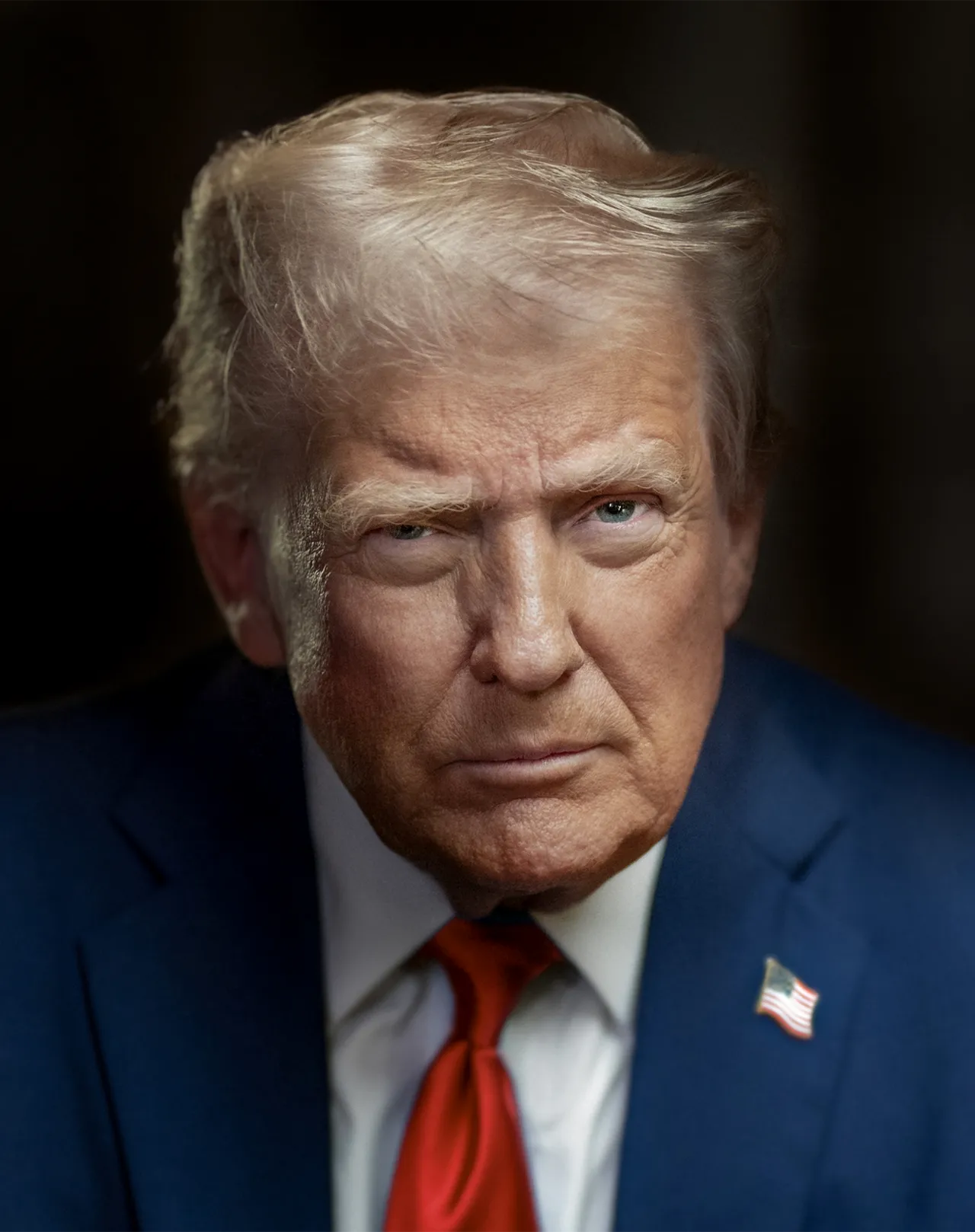
Trump administration reportedly preparing new targeted tariffs on China and the EU. CNBC Television
The Trump administration announced plans to impose new tariffs on China and other major U.S. Trading partners, escalating global trade tensions. In a statement published on Wednesday, the United States Trade Representative (USTR) Office proposed new tariff rates on 14 trading partners.
According to the USTR, trade deal tariff rates will remain capped at 15% net of most favored nation duty for South Korea, Taiwan, the EU, Japan, and Switzerland, while the trade deal rates will be capped at 20% for China, stacked on top of prior first-term duties.
The proposed tariffs will be implemented under Section 301 of the Trade Act of 1974, a statute that the White House has relied upon more frequently for trade authority since the Supreme Court blocked many of Trump’s 2025 country-specific tariffs, imposed under a different authority.
In a CBS News poll conducted after the midterms, 66% of respondents said President Trump's tariffs have hurt the national economy. A senior administration official said the tariffs are in the proposal phase and did not provide an implementation timeline.
The tariffs could reach up to 40% if talks between the U.S. and China fail. China buys roughly 90% of Iran’s crude oil exports, complicating the trade dynamics.
The proposed tariffs would stack on top of roughly 25% in tariffs imposed during Trump’s first term, though about $30 billion worth of Chinese imports being weighed for tariff reductions under a bilateral process are excluded.
CAA and HYBE are joining forces to expand the commercial universe of the K-pop powerhouse’s artists, content and intellectual property, announcing a strategic partnership spanning brand deals, licensing and merchandising, live experiences, sports and other opportunities.
Meanwhile, Jinping said China has approached relations with India from a “strategic and long-term perspective” and called for the two countries to draw on each other’s strengths, support one another and pursue common development.
Preparations for the framework are progressing well, with the 28 members focusing mostly on how to address the domestic effects of Asian overproduction rather than convincing China and others to stop subsidizing their industries.
What this adds
The proposed tariffs could further strain relations between the U.S. and its trading partners, as well as complicate ongoing negotiations with China.
What's confirmed
- The Trump administration announced plans to impose new tariffs on China and other major U.S. Trading partners, escalating global trade tensions. In a statement published on Wednesday, the United States Trade Representative (USTR) Office proposed new tariff rates on 14 trading partners.
- According to the USTR, trade deal tariff rates will remain capped at 15% net of most favored nation duty for South Korea, Taiwan, the EU, Japan, and Switzerland, while the trade deal rates will be capped at 20% for China, stacked on top of prior first-term duties.
- The proposed tariffs will be implemented under Section 301 of the Trade Act of 1974, a statute that the White House has relied upon more frequently for trade authority since the Supreme Court blocked many of Trump’s 2025 country-specific tariffs, imposed under a different authority.
- In a CBS News poll conducted after the midterms, 66% of respondents said President Trump's tariffs have hurt the national economy. A senior administration official said the tariffs are in the proposal phase and did not provide an implementation timeline.
- The tariffs could reach up to 40% if talks between the U.S. and China fail. China buys roughly 90% of Iran’s crude oil exports, complicating the trade dynamics.
- The proposed tariffs would stack on top of roughly 25% in tariffs imposed during Trump’s first term, though about $30 billion worth of Chinese imports being weighed for tariff reductions under a bilateral process are excluded.
- CAA and HYBE are joining forces to expand the commercial universe of the K-pop powerhouse’s artists, content and intellectual property, announcing a strategic partnership spanning brand deals, licensing and merchandising, live experiences, sports and other opportunities.
- Meanwhile, Jinping said China has approached relations with India from a “strategic and long-term perspective” and called for the two countries to draw on each other’s strengths, support one another and pursue common development.
- Preparations for the framework are progressing well, with the 28 members focusing mostly on how to address the domestic effects of Asian overproduction rather than convincing China and others to stop subsidizing their industries.
What's still developing
- US President Donald Trump and Prime Minister Narendra Modi face a crucial test of the Quad as Trump prepares to meet Chinese President Xi Jinping in Shenzhen. (AI-generated image) Gold still rules, but with a difference: How young India is redefining wedding jewellery Tariffs, supply snags and a war: 6 sectors that pulled it off through all of the trouble Is CoreWeave's movement signalling a return of the AI trade?
- This will alert our moderators to take action Your Reason has been Reported to the admin. 15 Days Free: Unlock All ETPrime Exclusives, Market Tools & ePapers Trial offer expiring in 00 : 05 : 00 It seems like you're already an ETPrime member with Login using your ET Prime credentials to enjoy all member benefits Log out of your current logged-in account and log in again using your ET Prime credentials to enjoy all member benefits.
- CAA and HYBE are joining forces to expand the commercial universe of the K-pop powerhouse’s artists, content and intellectual property, announcing a strategic partnership spanning brand deals, licensing and merchandising, live experiences, sports and other opportunities.
- Meanwhile, Jinping said China has approached relations with India from a “strategic and long-term perspective” and called for the two countries to draw on each other’s strengths, support one another and pursue common development.
- Preparations for the framework are progressing well, with the 28 members focusing mostly on how to address the domestic effects of Asian overproduction rather than convincing China and others to stop subsidizing their industries.
Sources
- CBS Newslink
- FXStreetlink
- Fox Businesslink
- NBC Newslink
- Nationalsecurityjournallink
- Fox Newslink
- Tweaktownlink
- Varietylink
- Cyberscooplink
- Economictimeslink
- Al Jazeeralink
- Hitsdailydoublelink
- The Indian Expresslink
- Thedailystarlink
- Politicolink
- Nvidialink
- CNBC Television — video link
- CNBC Television — video link
- Avorix News — video link
- WorldSignal News — video link