
Home · Sports · Nov 25 archive
Steelers Cut Aaron Rodgers After He Criticizes McCarthy
Confirmed
In Short: In the interview, Rodgers criticized head coach Mike McCarthy, alleging that McCarthy fell asleep during meetings and struggled with game plans.
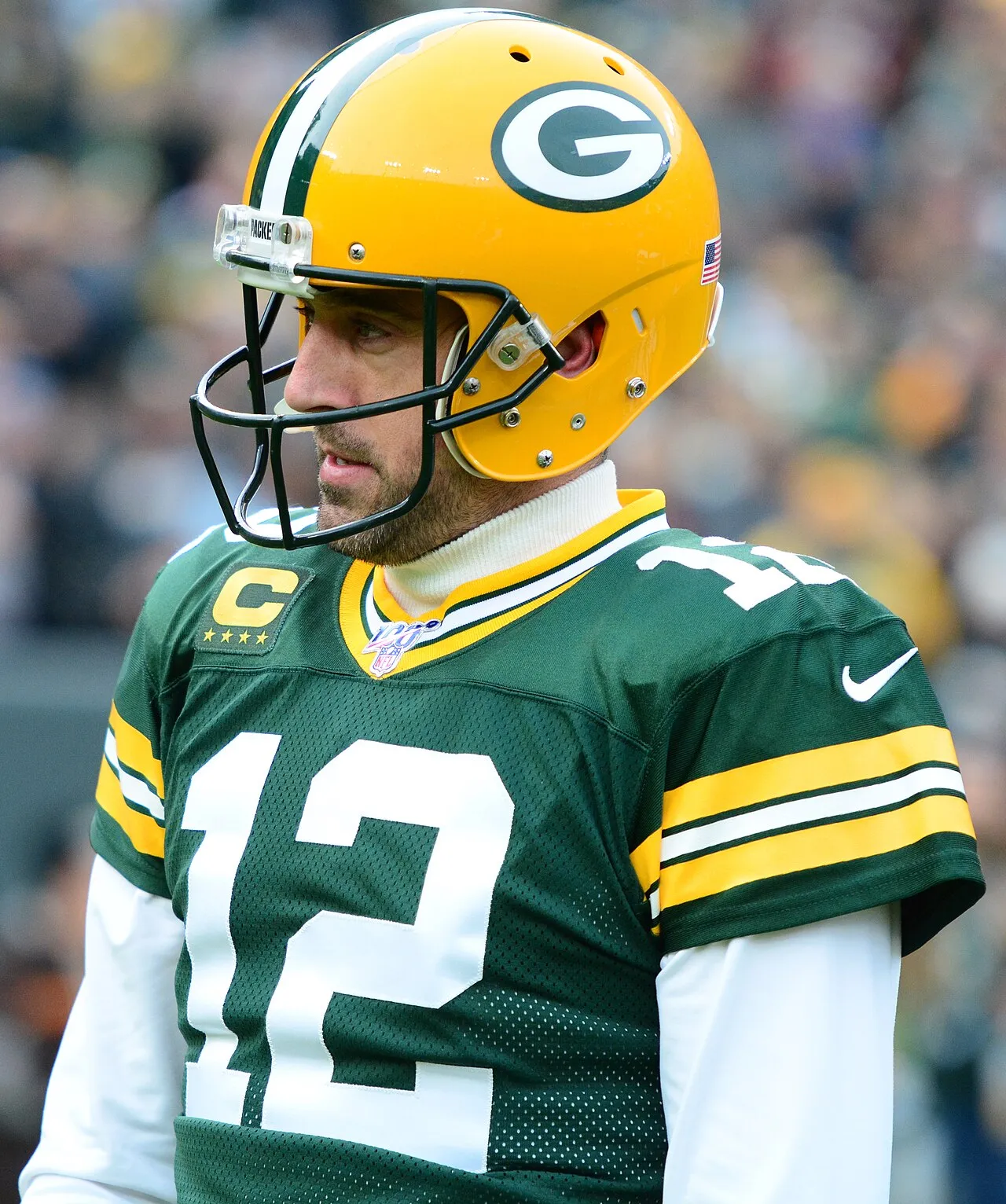
Aaron Rodgers crop.
Aaron Rodgers sounds off on Mike McCarthy, being benched by Steelers | Pro Football Talk. NFL on NBC
Aaron Rodgers, the former Green Bay Packers star, was released by the Pittsburgh Steelers after a controversial interview on The Pat McAfee Show.
Rodgers, 42, had re-signed with the Steelers in hopes of finishing his career with McCarthy, his coach from 2006 to 2018.
However, Rodgers revealed that McCarthy's approach to play-calling and his behavior during meetings were the final straw.
DiNucci said he never witnessed the behavior Rodgers described, highlighting the stark contrast in their experiences.
The Steelers announced Rodgers' release shortly after his interview, officially placing him on the waiver wire.
Mason Rudolph, who was benched in favor of Rodgers, will now start for the Steelers in their upcoming game against the Denver Broncos.
Rodgers' decision to speak out publicly about his frustrations with McCarthy and the team's management marked a dramatic end to his brief tenure with the Steelers.
The Steelers' decision to release Rodgers came as a surprise to many, given his status as a future Hall of Famer and one of the best quarterbacks in NFL history.
Players like tight end Pat Freiermuth found themselves in a difficult position, having to address the media just minutes after Rodgers' interview.
Rodgers' benching and subsequent release highlight the tension that can arise between a veteran quarterback and a new coaching staff.
The Steelers' move to release Rodgers underscores the high stakes and the importance of a strong working relationship between a quarterback and his coach.
What this adds
The Steelers' decision to release Rodgers was swift, occurring shortly after his interview.
Rodgers' comments about McCarthy's behavior and play-calling duties were unprecedented and likely contributed to his release.
The contrast between Rodgers' and DiNucci's experiences under McCarthy highlights the subjective nature of coaching evaluations.
What's confirmed
- Aaron Rodgers, the former Green Bay Packers star, was released by the Pittsburgh Steelers after a controversial interview on The Pat McAfee Show.
- Rodgers, 42, had re-signed with the Steelers in hopes of finishing his career with McCarthy, his coach from 2006 to 2018.
- However, Rodgers revealed that McCarthy's approach to play-calling and his behavior during meetings were the final straw.
- DiNucci said he never witnessed the behavior Rodgers described, highlighting the stark contrast in their experiences.
- The Steelers announced Rodgers' release shortly after his interview, officially placing him on the waiver wire.
- Mason Rudolph, who was benched in favor of Rodgers, will now start for the Steelers in their upcoming game against the Denver Broncos.
- Rodgers' decision to speak out publicly about his frustrations with McCarthy and the team's management marked a dramatic end to his brief tenure with the Steelers.
- The Steelers' decision to release Rodgers came as a surprise to many, given his status as a future Hall of Famer and one of the best quarterbacks in NFL history.
- Players like tight end Pat Freiermuth found themselves in a difficult position, having to address the media just minutes after Rodgers' interview.
- Rodgers' benching and subsequent release highlight the tension that can arise between a veteran quarterback and a new coaching staff.
- The Steelers' move to release Rodgers underscores the high stakes and the importance of a strong working relationship between a quarterback and his coach.
What's still developing
- McCarthy clearly wanted a more collaborative approach.
- That can happen to Rodgers, or he can choose to shape the narrative by calling it quits on his own terms.
- "Everybody's competing on the field," McCarthy said after the Steelers fell 27-24 to the Cleveland Browns.
- Aaron Rodgers threw eight straight incompletions to start his night and was only 15-of-29 for 143 yards, with touchdown passes to DK Metcalfe and Pat Freiermuth.
- Rodgers shrugged off a slow start to lead four fourth-quarter scoring drives, then finished off a 12-play, 70-yard march with a 7-yard TD throw to Germie Bernard to give Pittsburgh the lead for good with 3:15 remaining in OT.
- “These are the most important moments for us as a team to grow. This is a trajectory win,” the 42-year-old, four-time NFL MVP said Sunday after throwing for 253 yards and two touchdowns to rally the Steelers from a 13-point, fourth-quarter deficit to a 26-19 overtime victory over the Tampa Bay Buccaneers.
- Pittsburgh got on the board first when quarterback Aaron Rodgers found wide receiver Roman Wilson for a 12-yard score to cap a 17-play, 78-yard drive.
- However, some of that celebrating has proven costly, as multiple Browns players have received NFL punishment for their behavior during a massive Week 4 win over Aaron Rodgers and the Pittsburgh Steelers.
- Rodgers called it one of the worst surfaces in the NFL and questioned whether it was safe for players.
- The New Orleans Saints will play the Pittsburgh Steelers on Sunday at Stade de France in the league’s first-ever regular-season game in France.
Sources
- Bleacher Reportlink
- CBS Sportslink
- Fox Newslink
- NBC Newslink
- Newsweeklink
- Sbnationlink
- Eonlinelink
- Thescorelink
- Wccsradiolink
- Fox Newslink
- Wtaelink
- NBC Newslink
- Times-Newslink
- Bleacherreportlink
- Newsweeklink
- Pewterreportlink
- NFL on NBC — video link
- WFRV Local 5 — video link
- The Pat McAfee Show — video link
- DangerousAI — video link
- Ian Rapoport — video link
- CEO WiL — video link