
Home · Science · Nov 24 archive
2026 Beaver Moon to Be First of Three Supermoons
Confirmed
In Short: In addition to the supermoon, the November 2026 Beaver Moon will provide an opportunity to observe the Pleiades star cluster, Mars, and Jupiter.
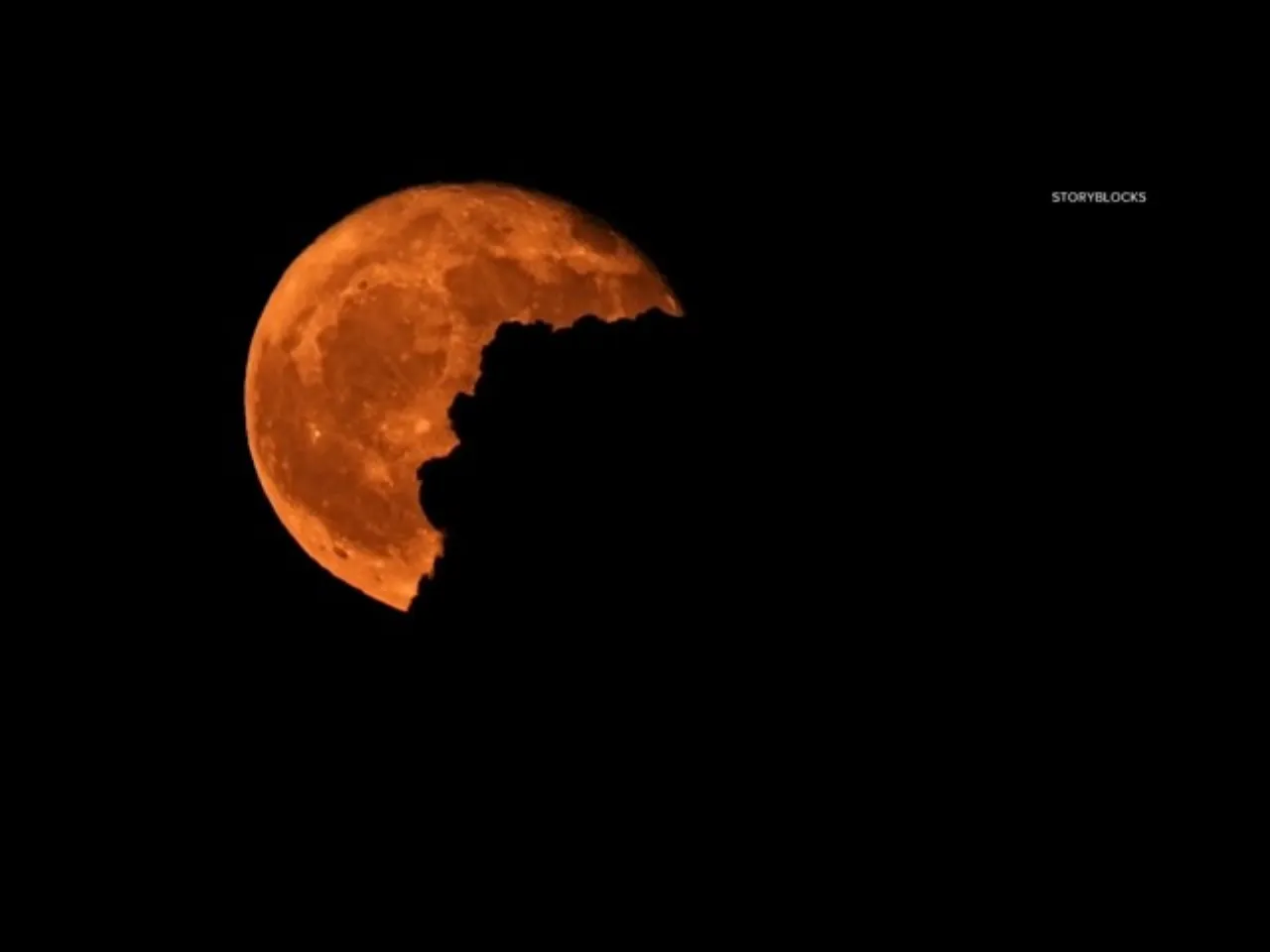
The full moon in November 2026, known as the Beaver Moon, will be the first of three consecutive supermoons, according to Earth.com. This celestial event will offer a unique opportunity to observe the Pleiades star cluster, Mars, and Jupiter before dawn.
The Beaver Moon will occur on November 24, 2026, at 14:54 UTC, aligning with the sun and Earth in a straight line, a phenomenon known as a full moon. This alignment will make the moon appear larger and brighter than usual, a characteristic of a supermoon.
At this time, the moon will be approximately 223,000 miles (about 359,000 km) from Earth, closer than the average distance of about 240,000 miles (about 386,000 km). This proximity will make the moon appear slightly larger and brighter than a typical full moon.
The Beaver Moon will rise in the east shortly after sunset on November 23, 2026, and will be visible high in the south near midnight, before setting low in the west near sunrise on November 24. For the Americas, the moon will look fullest on the morning of November 24.
The name Beaver Moon is derived from the behavior of North American beavers, which are preparing their dens and stocking up on food for the coming cold months. This full moon is also known as the Digging Moon, as it marks the last chance for seasonal foraging by forest animals.
In addition to the supermoon, the November 2026 Beaver Moon will provide an opportunity to observe the Pleiades star cluster, Mars, and Jupiter. The Pleiades, also known as the Seven Sisters, will be visible in the eastern sky before dawn, while Mars and Jupiter will be visible in the southeastern sky.
The Farmers' Almanac advises that the best time to observe faint star clusters and shooting stars is during darker, moonless hours. For the Beaver Moon, the best viewing times will be in the early morning hours of November 24, when the moon will be fullest.
The November 2026 Beaver Moon will be the first of three consecutive supermoons, with the next two occurring in December and January. This rare sequence of supermoons will provide a unique opportunity for skywatchers to observe the moon at its closest approach to Earth.
What's confirmed
- The November Full Moon 2026, traditionally known as the Beaver Moon, occurs on Tuesday, November 24, at 14:53 UTC.
What's still developing
- Infrequently, though, November’s full moon can lie in the sprawling constellation just southwest of Taurus, called Cetus the Whale.
- And the moon’s day side — its fully lighted hemisphere — directly faces us.
- Truly, most of us can’t tell any difference in the size of a supermoon from an ordinary full moon.
- So this means it’s a perigean full moon, or what’s commonly called a supermoon.
- The full moon always lies on the opposite side of the sky from the sun.
- The full Beaver Moon arrives November 24, the Leonid meteor shower returns in midmonth, and reddish Mars draws close to brilliant Jupiter before dawn.
- Moon-phase times are Eastern Standard Time unless stated otherwise.
- Choose a clear evening for Saturn or the Moon, or bundle up before sunrise for the morning planets.
- It can also appear unusually large near buildings, trees, or the horizon — an effect called the Moon illusion.
- The table shows the exact Full Moon time in each city, together with moonrise on November 24 and the following moonset on November 25.
- At New Moon, the illuminated side of the lunar disk faces away from Earth, so the Moon is not normally visible in the night sky.
- Here are the dates and times of the four main lunar phases in November 2026: You can also track the Moon’s changing appearance and find daily moonrise and moonset times in our interactive Moon Calendar.