
Home · World · Nov 20 archive
Bowen: Myanmar genocide verdict is historic and could have far-reaching implications
· Confirmed
In Short: The International Court of Justice (ICJ) ruled that Myanmar committed genocide against the Rohingya, a decision with far-reaching implications.
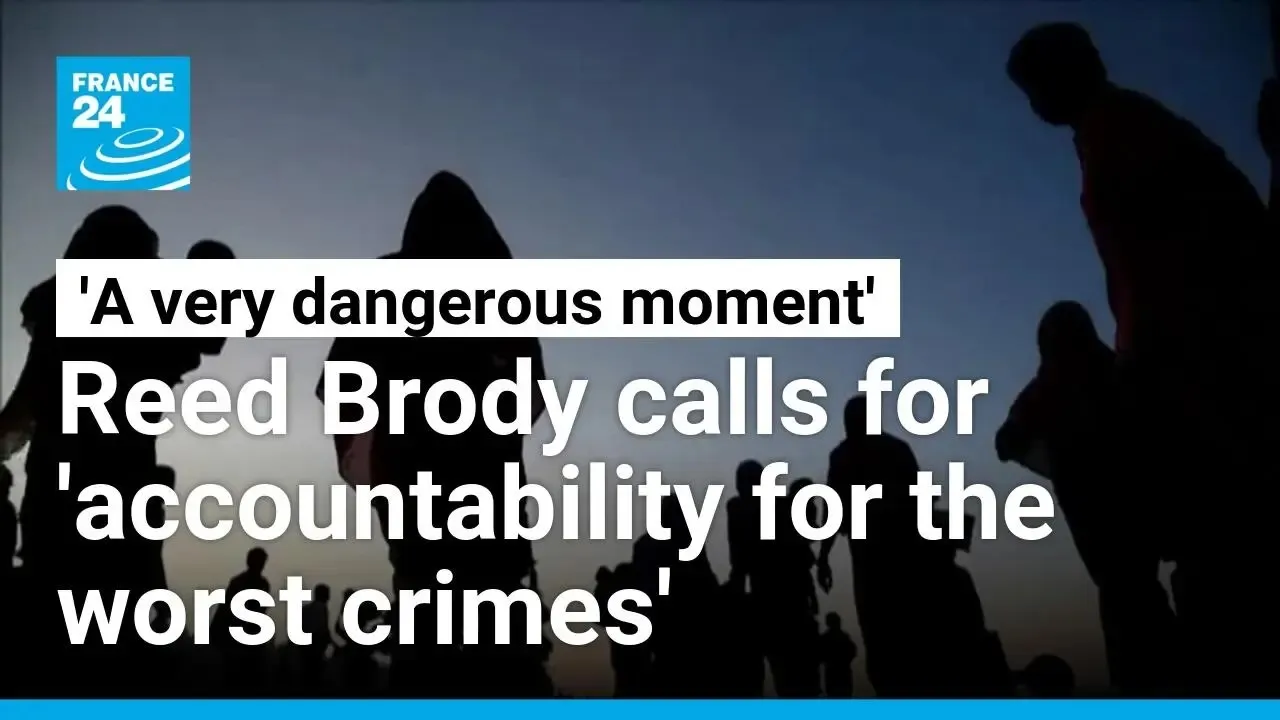
ICJ ruling on Myanmar genocide: ‘Historic victory for Rohingya, landmark for international justice’. FRANCE 24 English
The International Court of Justice (ICJ) ruled on Thursday that Myanmar committed genocide against the Rohingya, a decision that could have significant implications for international law and the future of the Rohingya people. Al Jazeera reported that the court found Myanmar’s 2017 campaign against the Rohingya crossed the gravest threshold in international law, with a nine-to-six vote.
Thediplomat and Lemonde also confirmed the ruling, noting that this was the first time a state was found guilty of genocide by the ICJ. Thediplomat highlighted that Min Aung Hlaing, Myanmar’s military chief, was the commander-in-chief during the 2017 operations.
According to BBC, the ruling found that Myanmar’s government forces killed thousands of Rohingya civilians, committed widespread sexual violence, and attacked people fleeing towards Bangladesh. The BBC also noted that the ruling could impact other genocide cases currently being heard by the ICJ.
Al Jazeera and The Indian Express reported that the court found Myanmar guilty of genocide, with the BBC adding that at least 10,000 Rohingya were killed during the 2017 attacks. The Indian Express emphasized that the ruling was based on the legal threshold for genocide, which required an intent to destroy a substantial part of the protected group.
The Gambia, which brought the case against Myanmar in November 2019 with the support of the Organisation of Islamic Cooperation, welcomed the ruling with profound satisfaction, calling it a historic day for international justice. Al Jazeera reported that the court said Myanmar has an obligation to compensate the Rohingya for the violations committed.
The ruling also highlighted the 1948 Genocide Convention, which was established to prevent the recurrence of atrocities like those committed during World War II. BBC noted that the convention was a vital part of the structure built around the United Nations to stop such brutality.
Rohingya refugees in Bangladesh cheered as the verdict was handed down. The BBC reported that crowds gathered around screens to watch the ICJ’s President deliver the court's verdict.
The ruling could have far-reaching implications for international law and the future of the Rohingya people. The New York Times noted that the case was prompted by 'clearance operations' in Myanmar in 2017, when security forces and ethnic Rakhine mobs rampaged through Rohingya communities, burning about 400 villages and killing at least 10,000 people.
Despite the ruling, the BBC reported that safe return, citizenship, and reparations for the Rohingya remain far from guaranteed. Al Jazeera noted that the 9-6 split will inevitably be used by Myanmar to cast doubt on the ruling.
The ICJ’s ruling is a landmark decision that could have far-reaching implications for international law and the future of the Rohingya people. The ruling was a historic moment for international justice, setting a precedent for future cases.
What's confirmed
- The court found that Myanmar’s government forces killed thousands of Rohingya civilians, committed widespread sexual violence, inflicted extreme violence on children and attacked people fleeing towards Bangladesh.
- Myanmar committed genocide against Rohingya minority, top UN court rules The decision by a majority of nine votes to six at the International Court of Justice (ICJ) will also have a significant impact on the other genocide cases currently being heard by the court by reasserting and clarifying the standard of evidence needed to prove genocidal intent.
- “For the first time, the world court has found a state responsible for committing genocide – and the man who commanded those operations is now Myanmar’s president.” Min Aung Hlaing, the military chief who led a coup in 2021 that plunged Myanmar into a civil conflict that still rages, was in 2017 the commander-in-chief of Myanmar’s military, the Tatmadaw.
- The court said Myanmar has an obligation to compensate the Rohingya for the violations it committed, with the terms to be determined at a later date.
What's still developing
- That matters because Myanmar’s defence was never simply that nothing terrible happened.
- Sands told the BBC's World at One programme that when they were arguing the case against Myanmar at the ICJ in January this year, Gaza was "the elephant in the room. Everybody knew that the court's approach in this case would have implications in the next one".
- Stephanie Sy discusses what the genocide verdict means for international law and the future of the Rohingya people with Adil Ahmad Haque, author of "Law and Morality at War.” Notice: Transcripts are machine and human generated and lightly edited for accuracy.
Sources
- Al Jazeeralink
- BBClink
- PBSlink
- The Indian Expresslink
- Thediplomatlink
- Al Jazeeralink
- Foreignpolicylink
- Saudigazettelink
- The New York Timeslink
- Warpbeatlink
- Newscordlink
- Lemondelink
- BBClink
- FRANCE 24 English — video link
- Reuters — video link
- PBS NewsHour — video link
- Democracy Now! — video link
- The Daily Guardian — video link
- NPR — video link