
Home · Politics · Nov 19 archive
Trump Admin Warns 1,579 Contractors Over E-Verify Compliance
Confirmed
In Short: The Trump administration has warned 1,579 federal contractors with over $53 billion in government contracts about potential E-Verify compliance issues.
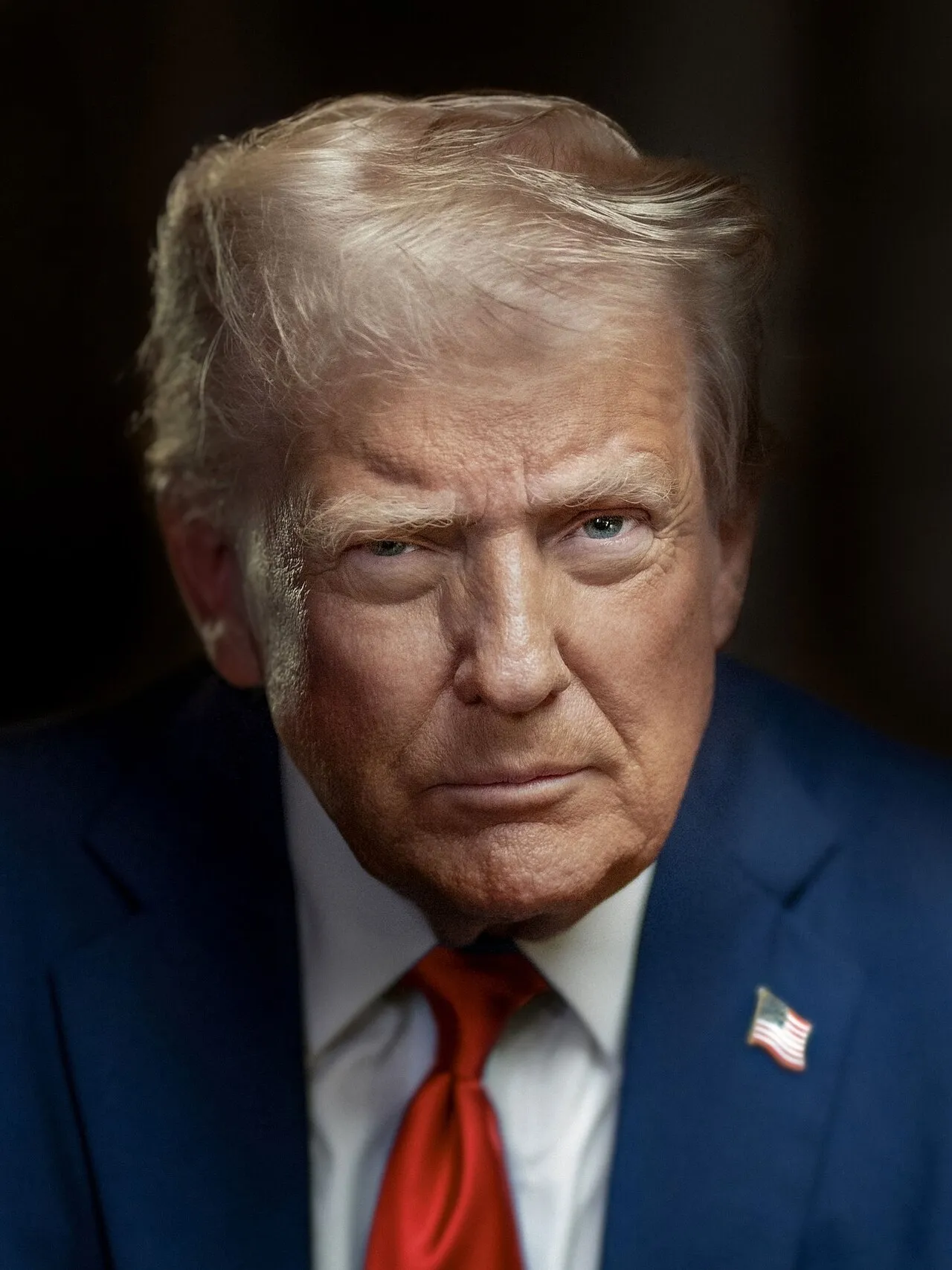
Donald Trump (Wikidata P18).
DHS + GSA: 1,579 Federal Contractors Potentially Noncompliant With E-Verify #Shorts. NoticeNearBy
The Trump administration has issued warnings to 1,579 federal contractors holding more than $53 billion in government contracts, citing potential discrepancies in their E-Verify compliance records.
Contractors can outline steps taken to resolve these discrepancies, such as enrolling in E-Verify, updating their profiles, or creating required employee cases.
Companies that fail to respond or demonstrate compliance could face additional scrutiny, including referrals to their contracting officers.
The discrepancies include contractors not enrolled in E-Verify, missing or mismatched business identifiers, and apparent failures to create required employment verification cases for workers covered by federal contracts.
Contractors can dispute the government’s records, including by showing that a parent company or another entity handled the required verification.
The House Business Committee in Idaho advanced Senate Bill 1247, which would require all state and local governments and large government contractors to use E-Verify.
However, Idaho leaders from sectors that rely on immigrant labor, such as the dairy, construction, and service industries, have pushed back against proposals to universally require E-Verify.
The Government Accountability Office (GAO) reported in October 2023 that about 95,000 federal contractors were enrolled in E-Verify and that agencies awarded about 74,000 contracts and orders worth roughly $185 billion in fiscal 2021 that appeared to require the clause.
From 2020 to March 2023, the U.S. Citizenship and Immigration Services (USCIS) terminated almost 300 contractor E-Verify accounts for misuse and more than 5,000 for non-use, yet had no process to refer those contractors to suspension and debarment officials, as the FAR requires.
Contracting officers will be asked to send letters of concern to companies with unresolved discrepancies, warning of referral to the E-Verify program.
Noncompliance or a false claim of compliance could cost a company its contracts.
Some flags will reflect real gaps; others are likely to be paperwork artifacts, such as a subsidiary that holds the contract while its parent runs E-Verify.
What this adds
The Trump administration's crackdown on E-Verify compliance among federal contractors is part of a broader effort to ensure that contractors adhere to employment eligibility verification rules.
The Idaho House Business Committee's advancement of Senate Bill 1247 reflects a growing push to expand the use of E-Verify beyond federal contractors to state and local governments and large contractors.
The GAO report highlights the ongoing challenges in enforcing E-Verify compliance and the need for a more robust process to address non-compliance.
What's confirmed
- The Trump administration has issued warnings to 1,579 federal contractors holding more than $53 billion in government contracts, citing potential discrepancies in their E-Verify compliance records.
- Contractors can outline steps taken to resolve these discrepancies, such as enrolling in E-Verify, updating their profiles, or creating required employee cases.
- Companies that fail to respond or demonstrate compliance could face additional scrutiny, including referrals to their contracting officers.
- The discrepancies include contractors not enrolled in E-Verify, missing or mismatched business identifiers, and apparent failures to create required employment verification cases for workers covered by federal contracts.
- Contractors can dispute the government’s records, including by showing that a parent company or another entity handled the required verification.
- The House Business Committee in Idaho advanced Senate Bill 1247, which would require all state and local governments and large government contractors to use E-Verify.
- However, Idaho leaders from sectors that rely on immigrant labor, such as the dairy, construction, and service industries, have pushed back against proposals to universally require E-Verify.
- The Government Accountability Office (GAO) reported in October 2023 that about 95,000 federal contractors were enrolled in E-Verify and that agencies awarded about 74,000 contracts and orders worth roughly $185 billion in fiscal 2021 that appeared to require the clause.
- From 2020 to March 2023, the U.S. Citizenship and Immigration Services (USCIS) terminated almost 300 contractor E-Verify accounts for misuse and more than 5,000 for non-use, yet had no process to refer those contractors to suspension and debarment officials, as the FAR requires.
- Contracting officers will be asked to send letters of concern to companies with unresolved discrepancies, warning of referral to the E-Verify program.
- Noncompliance or a false claim of compliance could cost a company its contracts.
- Some flags will reflect real gaps; others are likely to be paperwork artifacts, such as a subsidiary that holds the contract while its parent runs E-Verify.
What's still developing
- The agencies did not identify specific instances of contractors employing unauthorized workers in the documents.
- Wheeler later told the Sun he and the bill’s Senate sponsor supported Crane’s suggestion of a tiered approach to applying the requirement to more businesses of smaller sizes that are awarded government contractors.