
Home · Business · Nov 19 archive
Judge Allows Trump's $15B Defamation Suit Against The New York Times to Proceed
· Confirmed
In Short: A federal judge has allowed portions of President Trump's defamation lawsuit against The New York Times to proceed, dismissing 27 statements but allowing others to move forward.
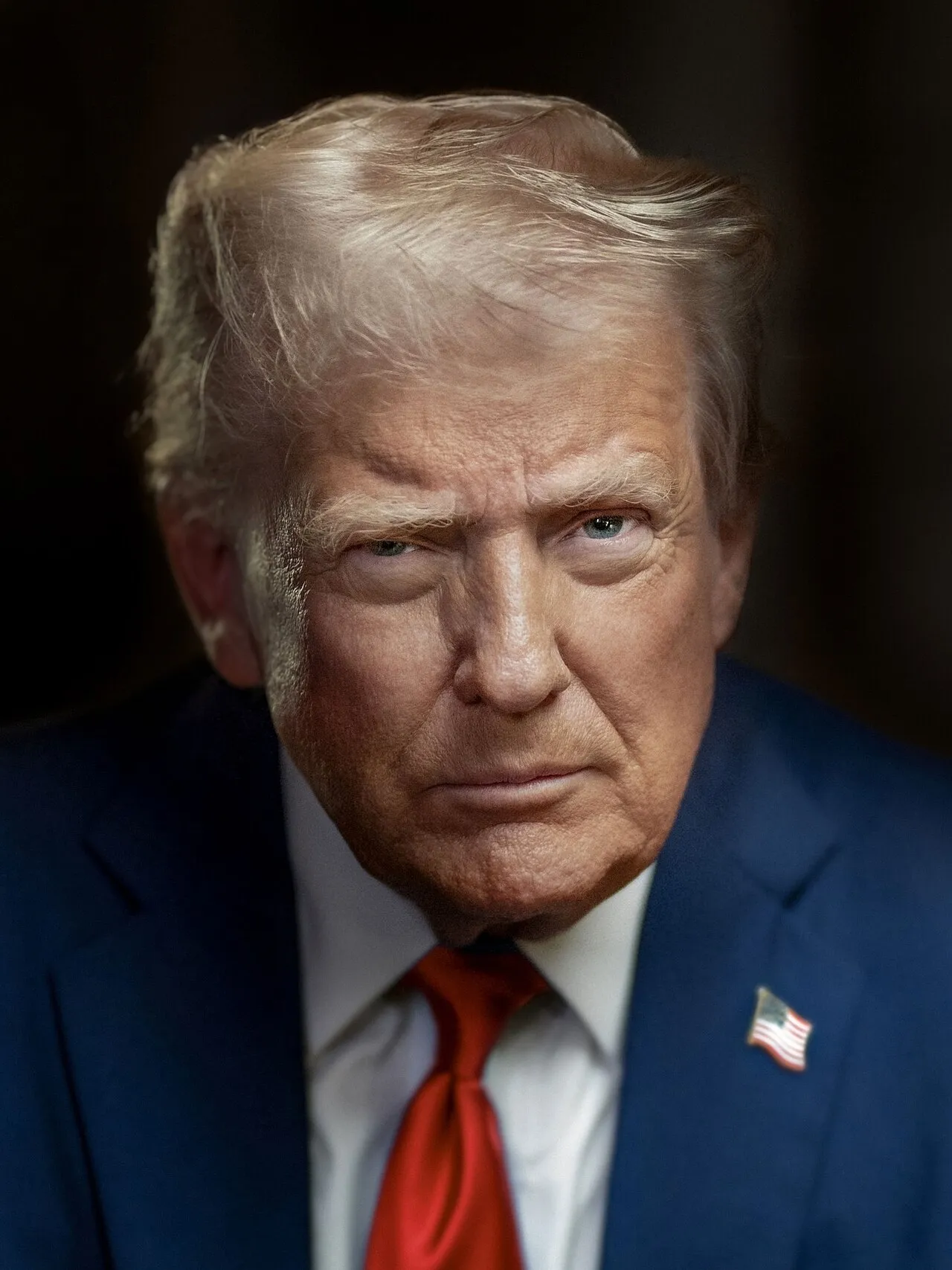
Donald Trump (Wikidata P18).
A federal judge has allowed portions of a defamation lawsuit from President Donald Trump against The New York Times and four of its reporters to proceed, according to The Hollywood Reporter.
District Judge Steven Merryday found that the publication could have acted recklessly by advancing allegations linking Trump to tax crimes based on incomplete information.
The lawsuit, which seeks at least $15 billion, revolves around allegations in the book 'Lucky Loser' and a Times story suggesting Trump received roughly $400 million from his father through tax evasion schemes and violated money laundering rules.
The Times argued that its reporters analyzed over 100,000 pages of financial records and consulted several experts, including tax specialists.
Merryday dismissed two claims in the suit and narrowed four others, but gave Trump 28 days to amend his lawsuit, which also named Penguin Random House as a defendant.
The judge said the Times' reporting may constitute a 'purposeful avoidance of the truth,' and the ruling turned on an analysis of 'actual malice,' the legal standard in defamation cases involving public officials.
While the judge dismissed the complaint, he gave Trump an opportunity to amend it, potentially allowing the case to proceed further.
In a separate case, a judge in Florida dismissed a $20 million defamation lawsuit that Morgan Carey brought against his sister, the singer Mariah Carey, over passages in her 2020 memoir.
The judge ruled that Carey failed to prove Mariah acted with 'actual malice,' a high threshold in defamation cases involving public figures.
What this adds
The judge's decision to allow portions of the lawsuit to proceed is a significant development in the ongoing legal battle between Trump and The New York Times.
The case highlights the complex legal standards involved in defamation suits, particularly those involving public officials and matters of public interest.
What's confirmed
- A federal judge has allowed portions of a defamation lawsuit from President Donald Trump against The New York Times and four of its reporters to proceed, according to The Hollywood Reporter.
- District Judge Steven Merryday found that the publication could have acted recklessly by advancing allegations linking Trump to tax crimes based on incomplete information.
- The lawsuit, which seeks at least $15 billion, revolves around allegations in the book 'Lucky Loser' and a Times story suggesting Trump received roughly $400 million from his father through tax evasion schemes and violated money laundering rules.
- The Times argued that its reporters analyzed over 100,000 pages of financial records and consulted several experts, including tax specialists.
- Merryday dismissed two claims in the suit and narrowed four others, but gave Trump 28 days to amend his lawsuit, which also named Penguin Random House as a defendant.
- The judge said the Times' reporting may constitute a 'purposeful avoidance of the truth,' and the ruling turned on an analysis of 'actual malice,' the legal standard in defamation cases involving public officials.
- While the judge dismissed the complaint, he gave Trump an opportunity to amend it, potentially allowing the case to proceed further.
- In a separate case, a judge in Florida dismissed a $20 million defamation lawsuit that Morgan Carey brought against his sister, the singer Mariah Carey, over passages in her 2020 memoir.
- The judge ruled that Carey failed to prove Mariah acted with 'actual malice,' a high threshold in defamation cases involving public figures.
What's still developing
- Trump’s 85-page suit, however, was “tedious and burdensome,” “often repetitive” and overly laudatory toward the president, Merryday wrote.
- US District Judge Steven Merryday in Tampa, Florida, on Thursday denied a request by one of the world’s most prominent news organizations and the publisher to fully dismiss the case.
- Washington DC - A US judge has pared down a defamation lawsuit that France's president and his wife brought against conservative influencer Candace Owens last year, reports said Wednesday.
- The judge also said that France's statute of limitations would apply in the case: normally three months in defamation cases, with a possible extension of up to one year in special cases.
- In a ruling issued on Tuesday, Delaware Superior Court Judge Sheldon Rennie said Owens could not be held personally liable in the case, but allowed the suit against two companies associated with her – Candace Owens LLC and GeorgeTom Inc. – to continue for now, US media including The New York Times and Forbes reported.
- “The facts alleged in the complaint create at least a plausible inference that the authors and the publishers knew that no reliable conclusion about violations of the tax laws, including especially the estate and gift tax laws, is possible without reliance on qualified opinion formulated after the necessary factual and legal research and analysis, which they knowingly failed to obtain,” the Republican-appointed judge wrote.