
Home · Business · Nov 19 archive
India Customs Dispute Halts $66 Million in Scotch Whisky Imports
Confirmed
In Short: Customs authorities in India are facing a tariff classification dispute over bulk Scotch whisky imports from the UK, which has halted shipments worth $66 million.
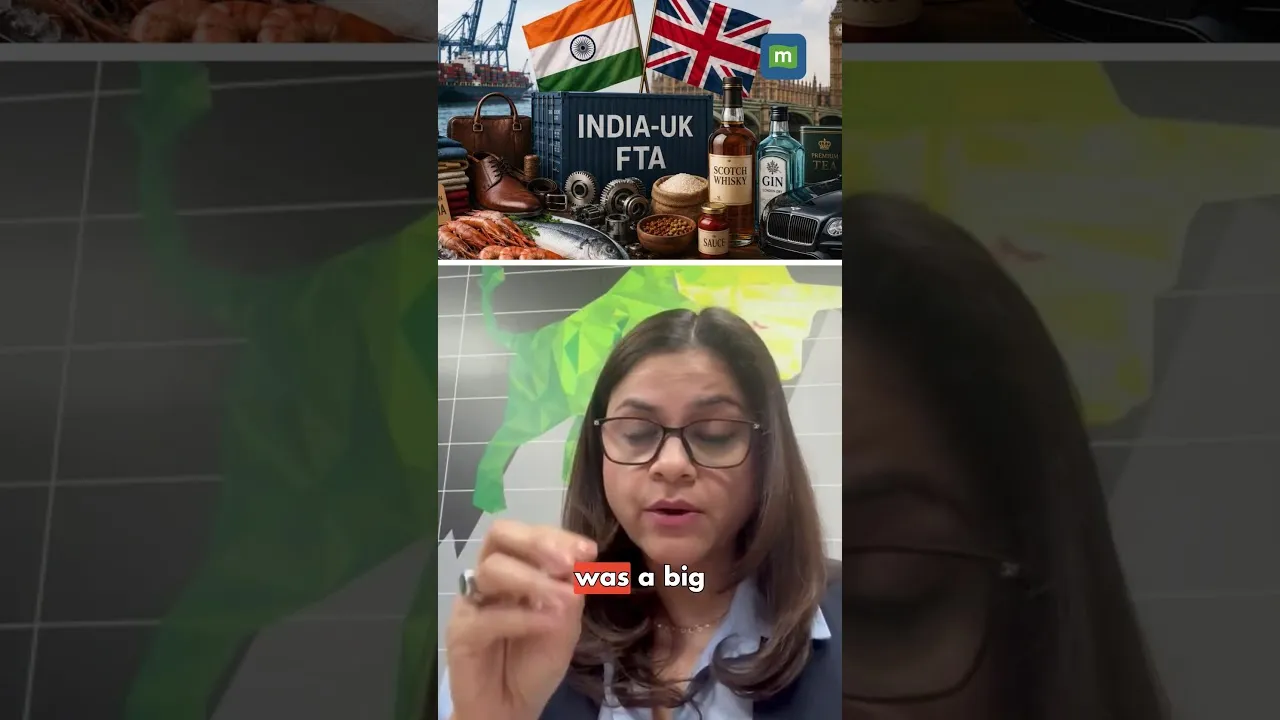
India-UK FTA: Scotch Whisky Shipments Stuck At Ports As Import Duty Hits 162.5%. moneycontrol
According to sources, the customs HS Code has two tariff classifications for Scotch whisky: one for whisky in packaged form of up to 2 litres and another for packaged whisky of more than 2 litres.
The Directorate of Revenue Intelligence is interpreting bulk whisky imports in containers as compound alcoholic preparations used to blend and manufacture whisky in India, placing them under the tariff line ‘food preparations not elsewhere specified or included’.
This interpretation is causing a logjam, as customs authorities are seeking a higher rate of duty of 150%, while the India-UK free trade agreement stipulates a lower tariff rate of 75% for both tariff lines.
Karthik Iyer, Partner – Indirect Tax, Tax & Regulatory Advisory at BDO India, explained that the present controversy is fundamentally a customs classification issue arising in the implementation of the India-UK trade agreement.
The issue has left thousands of litres of whisky stuck at Indian ports, putting liquor companies in a difficult position despite the trade agreement that was expected to lower import costs.
The disagreement centres on the customs classification of bulk Scotch whisky and whether it qualifies for the tariff concessions under the India-UK trade agreement.
Indian authorities argue that bulk Scotch is merely a raw material used to manufacture blended whisky and other alcoholic beverages, and therefore does not qualify for the reduced tariff under the trade agreement.
Liquor companies, however, disagree with this interpretation, stating that all Scotch imports, whether bottled or brought in bulk, should attract the concessional 75% tariff under the pact.
What's confirmed
- According to sources, the customs HS Code has two tariff classifications for Scotch whisky: one for whisky in packaged form of up to 2 litres and another for packaged whisky of more than 2 litres.
- The Directorate of Revenue Intelligence is interpreting bulk whisky imports in containers as compound alcoholic preparations used to blend and manufacture whisky in India, placing them under the tariff line ‘food preparations not elsewhere specified or included’.
- This interpretation is causing a logjam, as customs authorities are seeking a higher rate of duty of 150%, while the India-UK free trade agreement stipulates a lower tariff rate of 75% for both tariff lines.
- Karthik Iyer, Partner – Indirect Tax, Tax & Regulatory Advisory at BDO India, explained that the present controversy is fundamentally a customs classification issue arising in the implementation of the India-UK trade agreement.
- The issue has left thousands of litres of whisky stuck at Indian ports, putting liquor companies in a difficult position despite the trade agreement that was expected to lower import costs.
- The disagreement centres on the customs classification of bulk Scotch whisky and whether it qualifies for the tariff concessions under the India-UK trade agreement.
- Indian authorities argue that bulk Scotch is merely a raw material used to manufacture blended whisky and other alcoholic beverages, and therefore does not qualify for the reduced tariff under the trade agreement.
- Liquor companies, however, disagree with this interpretation, stating that all Scotch imports, whether bottled or brought in bulk, should attract the concessional 75% tariff under the pact.
What's still developing
- Experts also said that the logjam has occurred due to classification issues.
- The move was expected to benefit companies such as Diageo and Pernod Ricard, which import Scotch in bulk and blend it with other spirits to manufacture popular whisky brands for India's $65 billion liquor market.
- The arrangement is creating additional pressure on companies' working capital.
- These guarantees also have to be reported as contingent liabilities.
- Any misclassification by importers has “large-scale, recurring substantial revenue implications”, the memo said, instructing customs officials to ensure the correct application of the 150% duty.
- Patrick Cockburn: The story of the Spey is eye-opening and worrying – but there is still reason to be hopeful The Spey flowing out of the Highlands is Scotland’s most iconic salmon river on whose banks stand distilleries producing half of all Scotch whisky.
- An additional consumption tax takes the effective duty to 162.5%.