
Home · Business · Nov 19 archive
How Nvidia Chips Ended Up Within Reach of China’s Military
· Confirmed
In Short: New evidence is intensifying scrutiny of Nvidia’s role in China’s military artificial intelligence ambitions, raising questions about the company’s lobbying efforts, export practices, and compliance measures, according to the NH Journal.
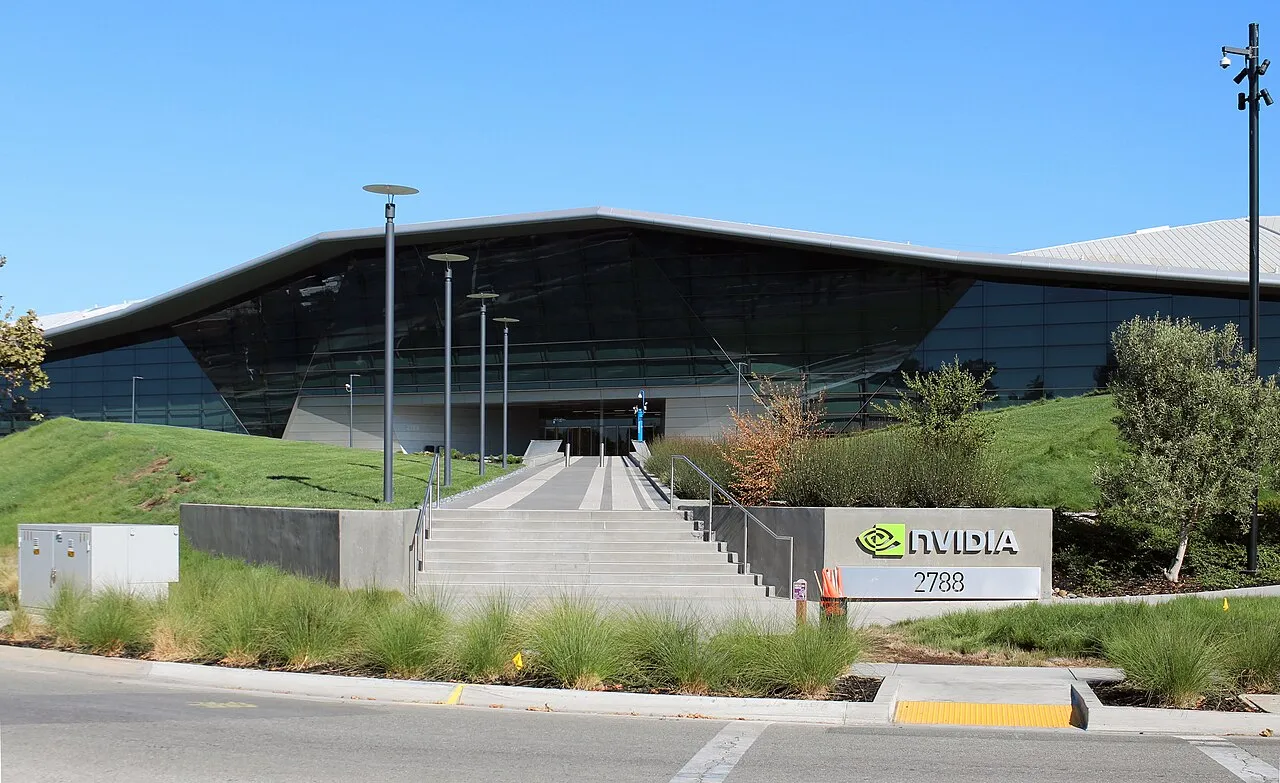
Concerns grow as military-linked Chinese university buys Nvidia chips. Reuters
The Trump administration has announced new restrictions on China's access to advanced chips, amid fallout from an alleged spy scandal involving Nvidia, according to Al Jazeera.
Shares of Nvidia have dropped more than 30 percent over the past month, with a 4.1 percent decline following the announcement, as reported by Al Jazeera.
The restrictions come as Nvidia faces scrutiny over its export of advanced chips, following claims that former CEO Jensen Huang was romantically involved with a woman recruited by China’s Ministry of State Security for espionage, as detailed by Al Jazeera.
Court filings from a recent case centered on Matthew Kelly, Stanley Yi Zheng, and Tommy Shad English, who prosecutors say were discussing moving banned Nvidia GPUs to China via front companies, as reported by TechRepublic.
A new research study, cited by The Indian Express and Fox News, found that Nvidia’s advanced Blackwell generation of chips, which are barred from export to China, were used to train leading open-weight AI models developed by Chinese companies, including DeepSeek and Moonshot AI.
On the heels of the Nvidia scandal, the Trump administration is preparing to crack down on foreign data centers that are fueling China’s advancements in artificial intelligence by allowing remote access to otherwise restricted high-end chips necessary for AI training, as reported by Ars Technica.
Human couriers carrying chips across borders have also been reported, according to Equitypandit.
The scrutiny of the Trump administration’s actions as they relate to Nvidia has been growing, including on the Commerce Department’s delay in placing restrictions on Nvidia chip exports to a company led by the alleged Chinese spy with whom Huang had the affair, as noted by Kdhnews.
A Blacklisted Chinese Server Giant Renamed Itself and Still Buys Nvidia Chips, as reported by Startupfortune, highlighting the challenge of stopping Chinese customers from renting the same Nvidia compute somewhere else.
The New York Times reported that Nvidia's general counsel contacted Commerce Department investigators probing suspected chip smuggling by Megaspeed, invoking a senior Trump appointee, as cited by BBC.
Nvidia has stopped shipping certain advanced artificial intelligence chips to China despite U.S. Government approval for exports to eligible Chinese customers, and the company is excluding Chinese data center sales from its latest revenue forecast, as reported by Fox Business.
President Donald Trump said the U.S. Might allow the sale of Nvidia’s Blackwell chips to China in the future, if he stays in office, as quoted by Stocktwits.
What this adds
The new restrictions are a response to growing concerns over Nvidia's role in China's military AI ambitions and its compliance with U.S. export regulations.
Background
While Moonshot AI has rejected claims linking the company to financing arrangements involving the banned Nvidia chips, filings show that Moonshot agreed to lease 32 Super Micro servers fitted with Nvidia's B300 chips, valued at 432 million yuan ($64.8 million), and located in China.
Will DePue, a former OpenAI researcher leading the nonprofit Unemployment Labs, analyzed the weights of large language models released by Chinese companies and found evidence that they were trained using Nvidia's Blackwell chips, which are banned from export to China.
What's confirmed
- Nvidia’s advanced Blackwell generation of chips, which are barred from export to China, were used to train leading open-weight AI models developed by Chinese companies, including DeepSeek and Moonshot AI, according to a new research study.
What's still developing
- Among those invited are Nvidia’s Jensen Huang and OpenAI’s Sam Altman LUMINARIES from Wall Street and Silicon Valley joined US President Donald Trump for a state dinner on Thursday (Sep 24) honoring his Chinese counterpart Xi Jinping, in a demonstration of US technological and financial might.
- Northwestern Polytechnical University purchased two Nvidia H200 processors for approximately $123,000 through a domestic Chinese supplier, Reuters reported, citing university procurement records.
- Huang’s former company, Megaspeed, is being investigated for allegedly smuggling Nvidia "chips" called GPUs. "You deserve better from me," Huang said to Nvidia employees and shareholders in a press release on Sunday. No kidding. Frankly, Huang owes America an apology. Here’s why. A Chinese assault on Nvidia is scary for Americans because Nvidia holds as much as an 80% market share of the world’s most advanced data center AI chips. Nvidia is the "go-to choice for all the biggest AI software developers," as explained by Yahoo Finance.
Sources
- Al Jazeeralink
- Ars Technicalink
- BBClink
- Council on Foreign Relationslink
- Crypto Briefinglink
- Equitypanditlink
- Fox Businesslink
- NH Journallink
- Startupfortunelink
- Stocktwitslink
- TechCrunchlink
- TechRepubliclink
- The Indian Expresslink
- The Vergelink
- Fox Businesslink
- Moneycontrollink
- Reuters — video link
- Reuters — video link
- KUTV 2 News Salt Lake City — video link
- Mart’s Unfiltered — video link
- The Geopolitics Ledger — video link
- Geo Watch — video link