
Home · Technology · Nov 16 archive
US Tightens Rules on Remote Access to AI Chips
· Confirmed
In Short: The U.S. Bureau of Industry and Security (BIS) stated that the interim final rule addresses the evolving technological landscape by further aligning protections governing remote access to advanced computing capabilities with existing controls on the physical shipment of sensitive American technology.
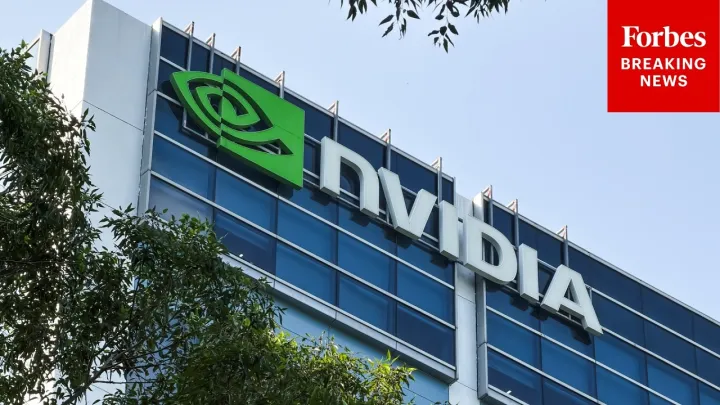
US Closes Loophole That Allowed China To Remotely Access Nvidia Chips. Forbes Breaking News
The U.S. Department of Commerce announced new restrictions aimed at preventing Chinese companies from remotely accessing advanced U.S. Artificial intelligence chips hosted in data centers abroad, according to Ars Technica and TechCrunch.
These new rules target a major loophole that has allowed Chinese developers to access computing power otherwise barred by U.S. Export controls, as reported by the South China Morning Post and TradingKey.
Under the new interim final rule, companies headquartered in mainland China, Hong Kong, Macau, and countries subject to a U.S. Arms embargo must apply for a license with strict know-your-customer controls when transferring high volumes of advanced chips, as noted by Ars Technica and TechCrunch.
The rule applies to data centers or any network that can supply over 12 million total processing performance (TPP), which roughly equates to the maximum computing power of about 750 Nvidia H100 or H200 chips, according to Reuters and TechCrunch.
Companies in Singapore, Thailand, Malaysia, Indonesia, and Brazil will be required to obtain U.S. Export licenses for certain advanced computing chips under the new rule, as reported by Times Now.
If a license is granted, companies will have to perform robust due diligence, submitting monthly reports on transactions that thoroughly detail all parties involved, as well as their parent companies, and the final destination for chips sold, as stated by Ars Technica.
The rule also covers indirect access through go-betweens or brokers, and exporters and data center operators are required to keep an eye on their customers’ ownership structures and activities to ensure they aren’t run by anyone from the D:5 group.
The rule is designed to exclusively prevent the use of advanced AI chips for commercial recommender systems, according to Ars Technica.
The new rule addresses the evolving technological landscape by further aligning protections governing remote access to advanced computing capabilities with existing controls on the physical shipment of sensitive American technology, as stated by BIS.
The new rule also threatens data center utilization rates and payback periods, as noted by TradingKey.
What's confirmed
- New rules target Chinese firms’ remote access to advanced US chips hosted abroad, including at data centres in Southeast Asia The US Bureau of Industry and Security (BIS) has announced new restrictions on Chinese companies’ remote access to advanced US artificial intelligence chips through overseas data centres, targeting a major loophole that has long allowed Chinese developers to access computing power otherwise barred by US export controls.
What's still developing
- The Trump administration on Monday is preparing to roll out new export controls on AI chips and data centers outside the U.S., seeking to prevent companies, especially those in China, from getting past U.S. export controls by remotely accessing AI infrastructure located in other countries.
- Following the US warning, Russian state media reported that the site had been temporarily closed, with law enforcement personnel restricting access to parts of the area.
- The tech giant announced plans to tighten Full Disk Access permissions, citing concerns that increasingly sophisticated AI systems could exploit broad file access to compromise user privacy across messages, mail, and browsing history.
- The company's surprise announcement about tightening macOS Full Disk Access permissions specifically targets what it calls "new risks from AI agents" - a stark acknowledgment that the AI revolution is creating unprecedented security challenges.
- South Africa and Rwanda are facing the prospect of losing access to the African Growth and Opportunity Act (AGOA), a US trade programme that allows eligible sub-Saharan African countries to export thousands of products to the American market without paying standard import duties.
- The country’s automotive, agricultural, clothing and manufacturing industries have benefited from preferential access to American buyers.
Sources
- Livemintlink
- NPRlink
- NewsCordlink
- South China Morning Postlink
- TechCrunchlink
- Times Nowlink
- TradingKeylink
- Canadianinquirerlink
- Androidheadlineslink
- Techbuzzlink
- Al Jazeeralink
- Pushsquarelink
- Newsnotelink
- Forbes Breaking News — video link
- Artificial Intelligence (AI News) — video link
- The Center Right Brief — video link
- The Center Right Brief — video link