
Home · Science · Nov 16 archive
Mice Learn to Fight by Watching Others
Confirmed
In Short: The research shows that learning by watching, long documented in birds, primates, and people, extends to combat skills in mice, with measurable changes in the brain.
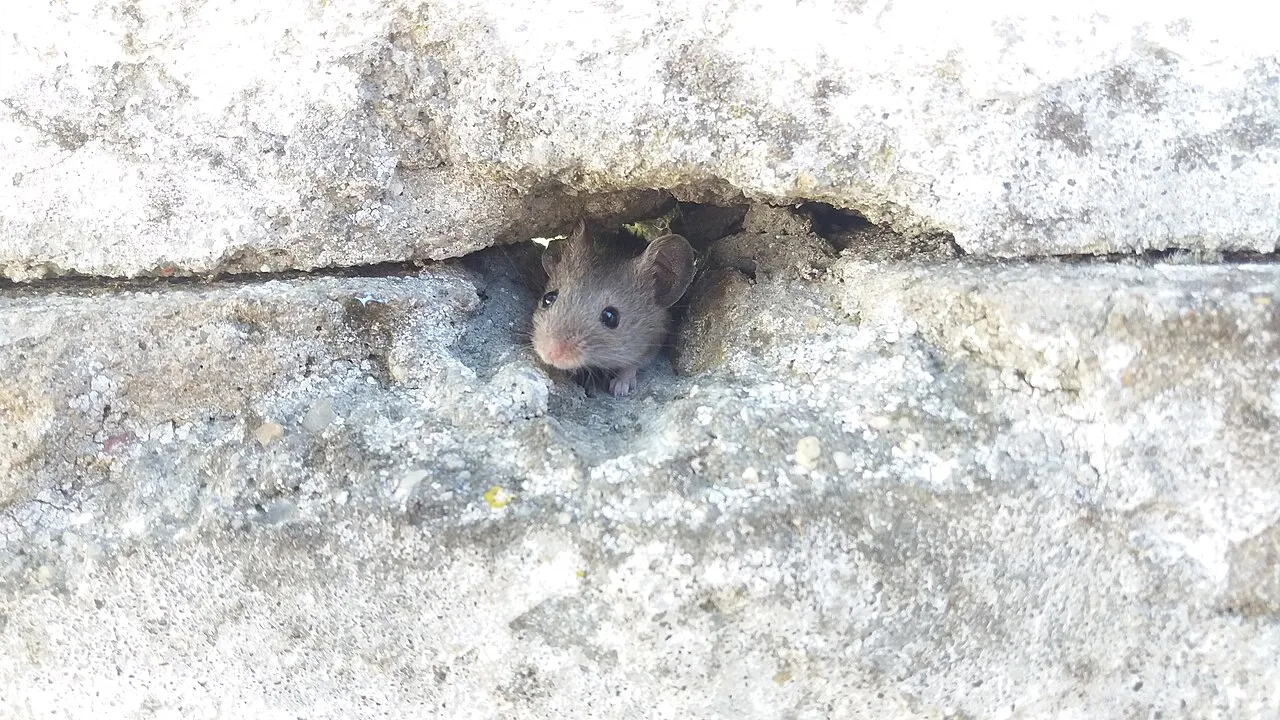
According to a study published in Nature, male mice that watched other mice fight for eight days performed better in their own first real fight.
The mice attacked sooner and turned their backs less frequently, indicating improved tactics rather than increased aggression.
The research, led by postdoctoral scholar Jorge Iravedra-Garcia and senior author Annegret Falkner, an assistant professor at the Princeton Neuroscience Institute, involved splitting male mice into three groups.
One group watched other mice fight, another saw mice walking around, and a third group played with a mouse-sized stuffed toy and saw no fights.
Falkner told Nautilus that the observing mice paid little attention when the fighting pair was simply walking around but turned to watch once attacks started.
The study also found that certain neurons in the hypothalamus fire both when a mouse fights and when it watches a fight, suggesting a neural basis for learning by observation.
The trained mice lost their enhanced fighting abilities within a few days after the experiments ended, according to The Debrief.
Only male mice were studied, and the researchers emphasized that the brain changes faded within days, leaving the human implications speculative.
What this adds
This study adds to the understanding of how mice can learn complex behaviors through observation, extending previous research on learning in animals.
The findings suggest that mice, like other animals, can improve their skills by watching others, but the duration of these learned behaviors is limited.
Background
A study published in Forefront Group in 2026 reveals that mice can learn aggressive behaviors by watching other mice fight.
Researchers have discovered that male mice can learn fighting skills by observing other mice engage in combat.
What's confirmed
- According to a study published in Nature, male mice that watched other mice fight for eight days performed better in their own first real fight.
- The mice attacked sooner and turned their backs less frequently, indicating improved tactics rather than increased aggression.
- The research, led by postdoctoral scholar Jorge Iravedra-Garcia and senior author Annegret Falkner, an assistant professor at the Princeton Neuroscience Institute, involved splitting male mice into three groups.
- One group watched other mice fight, another saw mice walking around, and a third group played with a mouse-sized stuffed toy and saw no fights.
- Falkner told Nautilus that the observing mice paid little attention when the fighting pair was simply walking around but turned to watch once attacks started.
- The study also found that certain neurons in the hypothalamus fire both when a mouse fights and when it watches a fight, suggesting a neural basis for learning by observation.
- The trained mice lost their enhanced fighting abilities within a few days after the experiments ended, according to The Debrief.
- Only male mice were studied, and the researchers emphasized that the brain changes faded within days, leaving the human implications speculative.
What's still developing
- But for Lesch, learning more about how rodents produce sound is exciting.
- Disney’s Cinderella is not the only place you can hear mice “sing.” Some real-world rodents also serenade each other.
- The mice inflate tiny, balloon-like sacs in their airways.
- Remarkably, their songs are more complex than those of any other rodent.
- Spectators sat on a raised platform behind a clear barrier, where they could see, smell, and hear a different pair of mice fighting below but could not join in.
- The research shows that learning by watching, long documented in birds, primates, and people, extends to combat skills in mice, with measurable changes in the brain.