
Home · World · Nov 15 archive
Yemeni Government Withdraws from Bab el-Mandeb Strait, Leaving It in Houthi Control
Confirmed
In Short: Yemeni forces fighting for the internationally recognized Saudi-backed government announced on Sunday that they were withdrawing from an area overlooking the strategic Bab el-Mandeb strait, leaving the Iran-aligned Houthis in control.
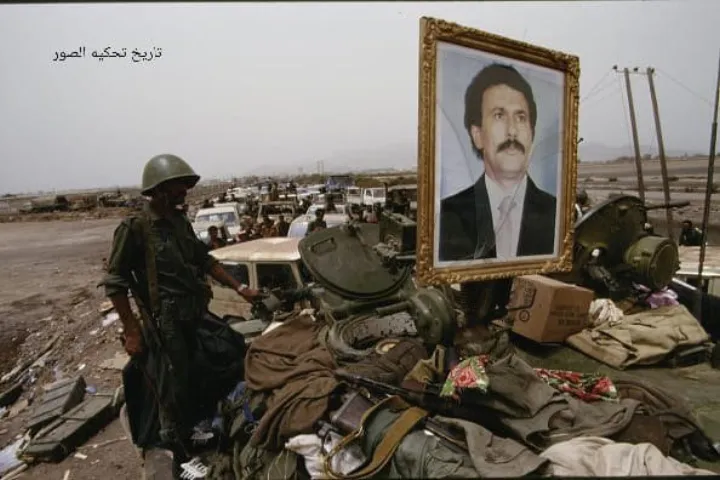
Soldier of Yemeni government forces on the tank during Yemeni civil war.
SHOCKING! Yemen Forces Pull Back From Bab el-Mandeb! Houthis Tighten Grip On Key Maritime Chokepoint. Times Now
Yemeni forces fighting for the internationally recognized Saudi-backed government announced on Sunday that they were withdrawing from an area overlooking the strategic Bab el-Mandeb strait, leaving the Iran-aligned Houthis in control. The withdrawal marks a significant setback for the Yemeni government and its ally Saudi Arabia, as analysts noted the momentum in the country’s civil war is tilting toward the Iran-backed Houthis.
The escalation in fighting, which broke a 2022 U.N.-brokered truce, has become another volatile front in the wider conflict between the U.S. and Iran, with the Houthis continuing to launch attacks on Saudi Arabia, a key U.S. Ally. In response, Saudi Arabia has struck Houthi targets in Yemen, a country mired in civil war since 2014, when the Houthis pushed the government south.
The southern Yemeni forces said they were redeploying toward Aden, where the government is based, as the Houthis increase pressure on the southern areas still under government control. The Houthis, who control much of the north, including the capital Sanaa and Yemen’s most populous areas, have been advancing in the south, reaching the strategic island of Perim in the Bab al-Mandab Strait, potentially tightening their grip on one of the world’s vital shipping routes.
The withdrawal gives the Houthis greater leverage over one of the world’s busiest shipping routes. The city is hosting approximately half of the 300,000 people displaced across Yemen by the latest fighting. The rebels deployed fighters on the islands of Greater Hanish and Lesser Hanish, 160 kilometers (100 miles) north of Bab el-Mandeb Strait, according to two government officials and a Houthi official.
The Houthis have taken control of the major port town of Mocha in September, firming their grip over the Bab el-Mandeb Strait. The strait connects the Red Sea to the Gulf of Aden and is a vital passage for goods and commodities traveling between Asia and Europe through Egypt’s Suez Canal. Nearly two million people live in Taiz, Yemen’s third-largest city, and the Houthis control much of northwest Yemen, including the capital Sanaa.
In recent weeks, the Houthis have been launching frequent attacks on Saudi Arabia. The Saudi-led forces claim victories as Yemen fighting rages on, with forces aligned with Yemen’s internationally recognized government launching an operation to capture a strategic mountainous district from the Houthis as part of a wider push to retake the Red Sea coast and the Bab al-Mandeb Strait.
The operation is part of the “Dawn of Yemen” offensive that was announced on Sunday by Rashad al-Alimi, chairman of Yemen’s Presidential Leadership Council, to retake all remaining Houthi-held territory, including the capital, Sanaa, which the Iran-backed group has controlled since 2014. The Southern Armed Forces group allied with Yemen’s UN-recognized government and backed by Saudi Arabia said Sunday they had repositioned themselves away from the Bab el-Mandeb Strait.
The Houthis have seized the islands of Greater Hanish and Lesser Hanish, 160 kilometers (100 miles) north of Bab el-Mandeb Strait, according to two government officials and a Houthi official. The city is hosting approximately half of the 300,000 people displaced across Yemen by the latest fighting.
What this adds
The withdrawal marks a significant setback for the Yemeni government and its ally Saudi Arabia, as analysts noted the momentum in the country’s civil war is tilting toward the Iran-backed Houthis.
The rebels deployed fighters on the islands of Greater Hanish and Lesser Hanish, 160 kilometers (100 miles) north of Bab el-Mandeb Strait, according to two government officials and a Houthi official.
The Southern Armed Forces group allied with Yemen’s UN-recognized government and backed by Saudi Arabia said Sunday they had repositioned themselves away from the Bab el-Mandeb Strait.
What's confirmed
- Yemeni forces fighting for the internationally recognized Saudi-backed government said on Sunday that they were withdrawing from an area overlooking the strategic Bab el Mandeb strait, leaving the Iran-aligned Houthis in control.
- The escalation in fighting, which broke a 2022 U.N.-brokered truce, became another volatile front in the wider U.S.-Israeli war on Iran, as the Houthis continue to launch attacks on Saudi Arabia, a key U.S.
- In response, Saudi Arabia struck Houthi targets in Yemen, a country mired in civil war since 2014, when the Houthis pushed the government south.
- The southern Yemeni forces said they were redeploying toward Aden, where the government is based, as the Houthis - who control much of the north, including the capital Sanaa and Yemen's most populous areas - increase pressure on the southern areas still under government control.
- Yemen’s Houthi rebels captured more strategic islands in the southern Red Sea, Yemeni government and Houthi officials said on Monday, strengthening their control of a major maritime shipping route.
- The rebels deployed fighters on the islands of Greater Hanish and Lesser Hanish 160 kilometers (100 miles) north of Bab el-Mandeb Strait, according to two government officials and a Houthi official.
- The development comes as Iran continues to disrupt maritime traffic through the Strait of Hormuz, on the opposite side of the Arabian Peninsula.
What's still developing
- S audi Arabia is planning an offensive against Yemen's Iran-backed Houthis to reverse their seizure of the Bab el-Mandeb Strait, with Turkish drones and Pakistani military equipment already in use in Yemen, regional and Western officials told Reuters.
- More than 100,000 Yemeni troops could be mobilized, depending on its scale.
- Following months of blockade in the Strait of Hormuz, the United Arab Emirates has announced that it intends to bypass the water channel to carry on trading and exports.
- The shift has laid bare India’s vulnerability to disruptions in the Strait of Hormuz, through which a large share of its energy imports traditionally flows.
- The drones posed a threat near the Strait of Hormuz, a crucial oil shipping chokepoint that has been closed since the war began.
- In the week of September 28-October 5, there were at least 12 attacks on oil, liquefied natural gas and liquefied petroleum gas tankers around the Strait of Hormuz, according to data from three maritime security sources who analyzed incidents based on information received from the area.
- Prime Minister Benjamin Netanyahu expressed that Israel may join a broader campaign against the Iranian-backed Houthi terror group in Yemen, Lebanese newspaper Al Akbar claimed on Friday, citing US sources.
- They said the Houthis took over the islands after hundreds of government-allied forces withdrew from the archipelago.
- 12, 2026, as they follow a convoy carrying Houthi prisoners freed in Mokha on its way to Sanaa following the Houthi takeover of the southern Red Sea port city.
- To view this video please enable JavaScript, and consider upgrading to a web browser that supports HTML5 video The Houthis control much of northwest Yemen, including the capital Sanaa.