
Home · Health · Nov 13 archive
DRC Ebola Outbreak Surpasses 11,000 Cases, Death Toll Rises
· Confirmed
In Short: Health Policy Watch reports that since the outbreak was announced on May 15, the DRC has seen 11,114 confirmed cases and 5,433 deaths, with a death rate of 48%.
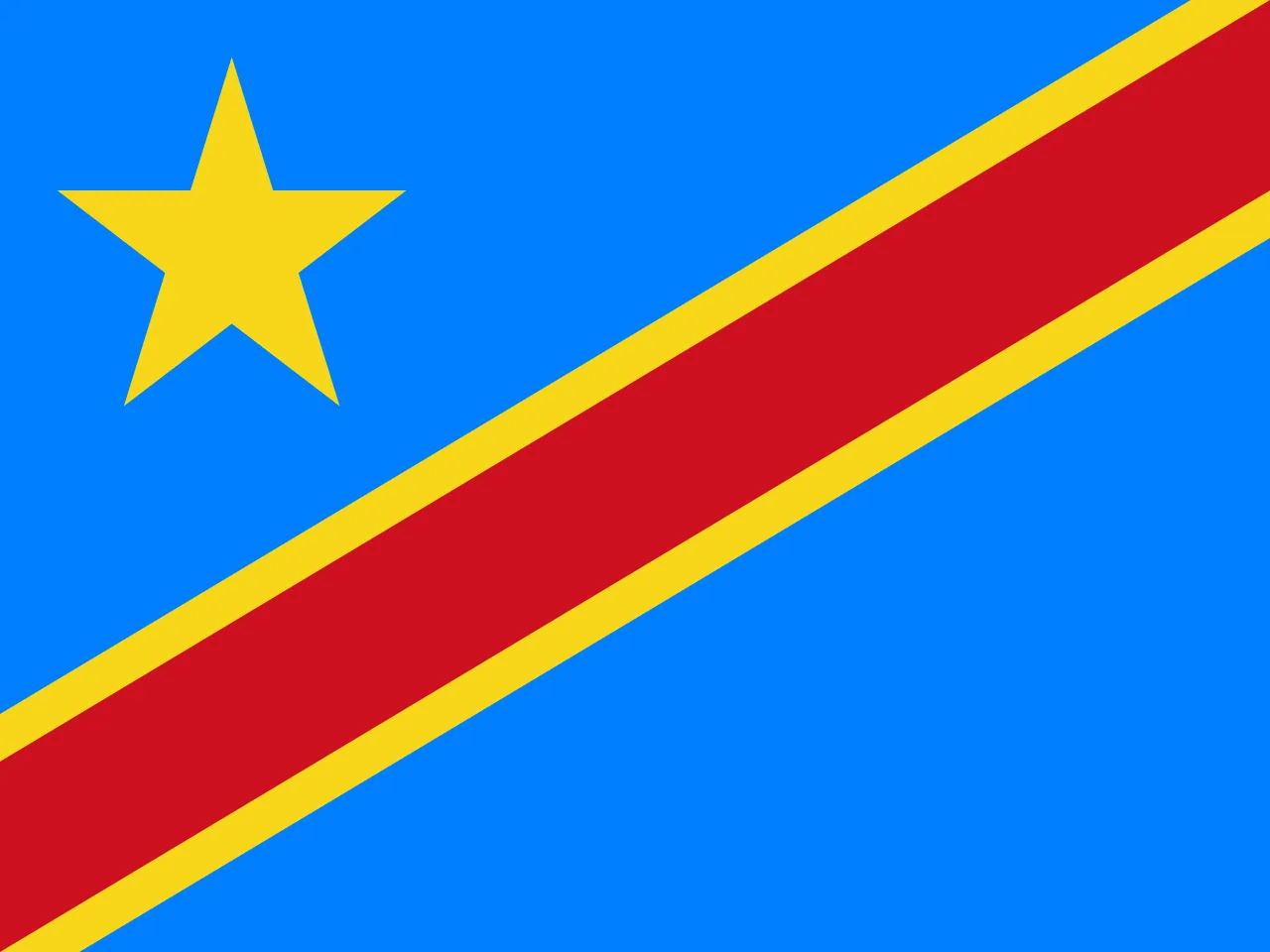
Health Policy Watch reports that since the outbreak was announced on May 15, the DRC has seen 11,114 confirmed cases and 5,433 deaths, with a death rate of 48%. The outbreak is now the second largest in the world after the 2014-2016 West African outbreak.
The International Organization for Migration (IOM) has identified 19 strategic river locations in Tshopo Province where additional surveillance points may be needed. However, the IOM is short of almost $60 million to cover a comprehensive Ebola response, including health screening and support at displacement sites and informal transit routes.
Dr Chikwe Ihekweazu, WHO’s Assistant Director General, noted that around 60% of Ebola deaths were reported in communities, including private and traditional health facilities. MSF reported that only 9% of Ebola patients treated in Ituri province, the epicenter of the outbreak, had been identified as contacts by the surveillance system.
Earlier this week, the IOM reported detecting 71 people with Ebola by screening people on informal transit routes in the DRC that were not monitored by authorities. The outbreak has affected eight of the DRC’s 26 provinces, with Ituri and North Kivu accounting for the overwhelming majority of reported infections.
The latest daily total was below the average of 62 new cases recorded per day during the preceding week. Ituri accounted for 30 of the new cases, followed by North Kivu with 17 and Haut-Uélé with five.
The European Centre for Disease Prevention and Control reported 10,990 confirmed cases and 5,354 deaths through November 8. Ituri remains the epicenter, accounting for 69.6% of confirmed cases.
The outbreak has been declared a public health emergency of international concern by WHO on May 17, although it is likely to have started as early as mid-January this year. The INSP recorded 52 new confirmed infections and 33 deaths on Nov. 9, with a case fatality rate of 48.8%.
The outbreak has affected 67 health zones across eight of the DRC’s 26 provinces. WHO warned that the situation remains concerning, with intensifying violence hindering containment efforts. Since the outbreak began in May, the WHO has logged 81 attacks on healthcare facilities and workers.
The outbreak has been exacerbated by conflict, displacement, and rising food prices, driving the crisis and compounding the impact of Ebola and other disease outbreaks.
Background
Since the outbreak was announced on May 15, the DRC has seen 11,114 confirmed cases and 5,433 deaths, with a death rate of 48%, according to Health Policy Watch.
The number of confirmed Ebola cases in the Democratic Republic of Congo (DRC) has surpassed 11,000, with at least 5,387 deaths, according to government data.
What's confirmed
- “People are scared, people are furious at the lack of action on this... following up contact tracing in areas where ADF [is] operating is a very hazardous idea,” Julien Harneis, MS, MBA, UN senior Ebola response coordinator, said in the update.
- The epidemic, caused by the Bundibugyo species of the Ebola virus, is the deadliest in DR Congo’s history and the second-largest recorded worldwide, after the 2014-2016 West African outbreak.
- Since the outbreak began, infections have been identified in 67 health zones across eight of DR Congo’s 26 provinces.
- The World Health Organization (WHO) declared the outbreak a public health emergency of international concern on 17 May, although it is likely to have started as early as mid-January this year.
What's still developing
- BRONX - The New York City Health Department has ordered 10 cooling towers in the South Bronx, including one at Yankee Stadium, to be cleaned and disinfected following an outbreak of Legionnaires’ disease in the area, city health officials announced Sunday.
- “ Sustained efforts are essential to end the outbreak,” WHO said in a tweet.
- Pennsylvania will accept help from a “disease detective” sent by the Centers for Disease Control and Prevention to curb the worst measles outbreak in the country, the state’s top health official said Friday, while repeating a demand for federal acknowledgment of measles-associated deaths here.
- Dozens of Ebola outbreaks have been documented since scientists first discovered the virus in 1976.
- Six months into Congo’s Ebola outbreak, many cases are likely being missed, transmission in hospitals in some areas is rife and the virus is still spreading out of control, Médecins Sans Frontières said on Thursday.
- For that reason, he said it was likely transmission would still be ongoing a year from now and the outbreak could outstrip the 2014-2016 West African outbreak — the biggest ever — which saw more than 28,600 cases and killed more than 11,000 people.
- “I was on gate 403” at the domestic terminal, the witness told AFP.
- These assessments predate the outbreak’s subsequent expansion, and WHO said on Oct. 23 that it was revising its global risk assessment as new information became available.
- “This requires continued scale-up of key control measures, greater access to affected areas, and community outreach that builds trust and encourages people to engage with the response.” The UN agency and partners are assisting the DRC authorities in curbing transmission of Ebola disease caused by the rare Bundibugyo virus for which there is currently no vaccine or treatment.
- Addis Ababa, Nov 13 (IANS) The number of confirmed Ebola cases has surpassed 11,000, with the death toll still rising, as Africa marked six months since the beginning of the Bundibugyo Ebola outbreak, the Africa Centres for Disease Control and Prevention (Africa CDC) has said.
- It is now six months since the outbreak of the Bundibugyo strain of the virus was announced.
- The Ebola outbreak in the Democratic Republic of the Congo has surpassed 11,000 confirmed cases and claimed 5,387 lives, according to the country’s National Institute of Public Health (INSP).