
Home · World · Nov 11 archive
Netanyahu Fights to Stay Relevant as Opposition Gains Ground
· Confirmed
In Short: Former Israeli Prime Minister Benjamin Netanyahu is struggling to maintain influence as opposition leader Gadi Eisenkot seeks to form a new government.
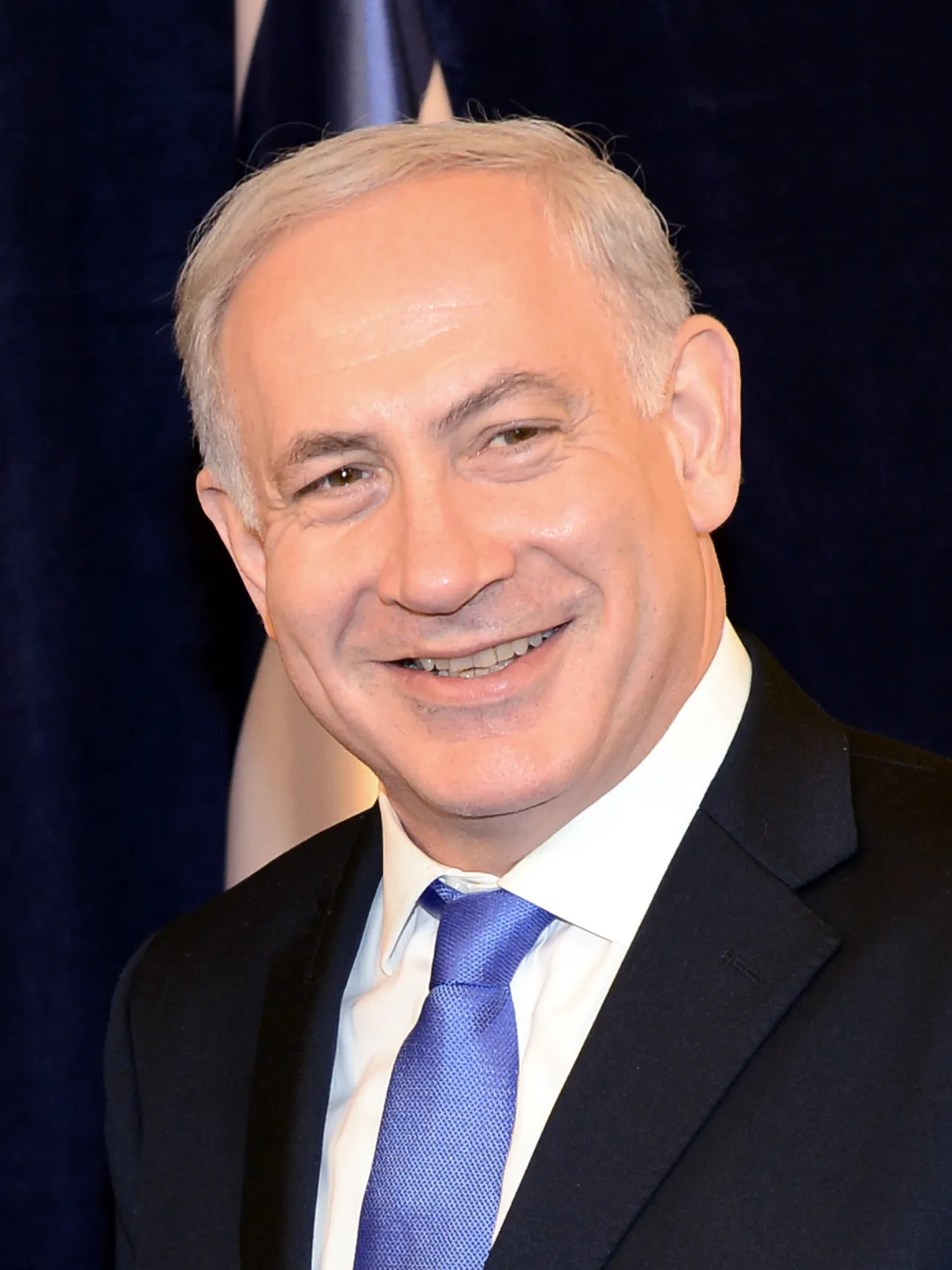
Benjamin Netanyahu 2012.
On Saturday, Netanyahu published a video on social media warning of civil war if a government were established with the support of Arab parties, which he accused of wanting to 'eliminate the State of Israel.'
Two days later, Netanyahu returned to the theme of existential threat, calling on opposition leaders to join a single unified government under his leadership, including ultra-Orthodox parties and far-right allies.
Kahana is a keen advocate for a state inquiry into Netanyahu's alleged failings before the Hamas-led attack on October 7.
Netanyahu faces growing criticism from world leaders and domestic opposition over his handling of the conflict in Gaza.
Netanyahu's bloc did not secure a 61-seat parliamentary majority in the last election, leaving him without a clear path to power.
Eisenkot has vowed to form a national-emergency government as quickly as possible, while Netanyahu continues to call for a broad coalition that includes his party.
Background
President Isaac Herzog has given opposition leader Gadi Eisenkot 28 days to form a new government in Israel, following an inconclusive election that left neither Netanyahu nor Eisenkot with a clear parliamentary majority.
What's confirmed
- Two days later, Netanyahu returned to the theme of existential threat, calling on opposition leaders to join a single unified government under his leadership, including ultra-Orthodox parties and far-right allies.
- Kahana is a keen advocate for a state inquiry into Netanyahu's alleged failings before the Hamas-led attack on October 7.
- Netanyahu faces growing criticism from world leaders and domestic opposition over his handling of the conflict in Gaza.
- Netanyahu's bloc did not secure a 61-seat parliamentary majority in the last election, leaving him without a clear path to power.
- Eisenkot has vowed to form a national-emergency government as quickly as possible, while Netanyahu continues to call for a broad coalition that includes his party.
What's still developing
- In particular, attention is likely to focus sharply on Netanyahu himself, whose supposed miscalculations ahead of the attack, stories of numerous missed warnings and who was subsequently accused of dragging out the war, or sacrificing the welfare off the captives for his own political ends.
- Nevertheless, irrespective of the past political cover offered to their members by Netanyahu, there are suggestions that one of the Ultra Orthodox parties United Torah Judaism (UTJ) – which refused to endorse Netanyahu’s selection to build a government by the President – is preparing to throw in behind Eisenkot, with the objections of one of the opposition’s principal figures Avigdor Lieberman said to be quieted in the face of either partnering with one of the Arab parties or the continued rule of Lieberman’s nemesis, Netanyahu and the prospect of further elections.
- However, how lost Netanyahu may be, or how grounded his claims of pending civil war or destruction at the hands of regional adversaries may be, ultimately, his political and potentially personal fate now lies with an opposition that outstrips his own numerically and a volatile Knesset eager to comb over the mistakes of the past.
- Netanyahu faces a number of challenges that speak directly to both his political legacy and personal freedom that he will lose all influence over should Eisenkot succeed him.
- The Prime Minister's Office says a review of Netanyahu's call log and entry records found no trace of a conversation with bin Zayed or a visit by an Emirati representative during the relevant period The Prime Minister's Office said Tuesday that Netanyahu has instructed his lawyers to file a defamation lawsuit against Haaretz, journalist Shlomi Eldar, and other parties over a report alleging that the president of the UAE, Mohammed bin Zayed Al Nahyan, warned him before October 7.
- The source declined to say whether the intelligence was attributed to Yahya Sinwar personally, how it was transmitted to Israel, or whether Mohamed bin Zayed discussed it directly with Netanyahu in a phone call, citing the need to protect ongoing discreet channels between the two leaders.
- The office said no conversation took place between Netanyahu and the UAE president from the start of September through October 7, saying the Prime Minister's Office, National Security Council, and Military Secretariat examined Netanyahu's call log and found no trace of it.
- The statement argued the real story is that Shin Bet chief Ronen Bar and IDF Chief of Staff Herzi Halevi saw warning signs hours before the attack and could have prevented it had they acted and informed Netanyahu in time.
- Former Prime Minister Naftali Bennett has publicly confirmed that the phone call reported by Haaretz between Netanyahu and bin Zayed took place, though he has not disclosed how he knows this.
- Dozens of delegates walked out of the assembly hall as Israeli Prime Minister Benjamin Netanyahu began his UN General Assembly address on Thursday.
- Stay on top of the issues that matter to you the most.
- Downloadable PDFs are a benefit of an FP subscription.