
Home · Science · Nov 9 archive
Turning a solar power system into its own backup
Confirmed
In Short: A new 1 megawatt solar power plant integrates photovoltaic and concentrated solar thermal technologies, featuring a fossil fuel backup system.
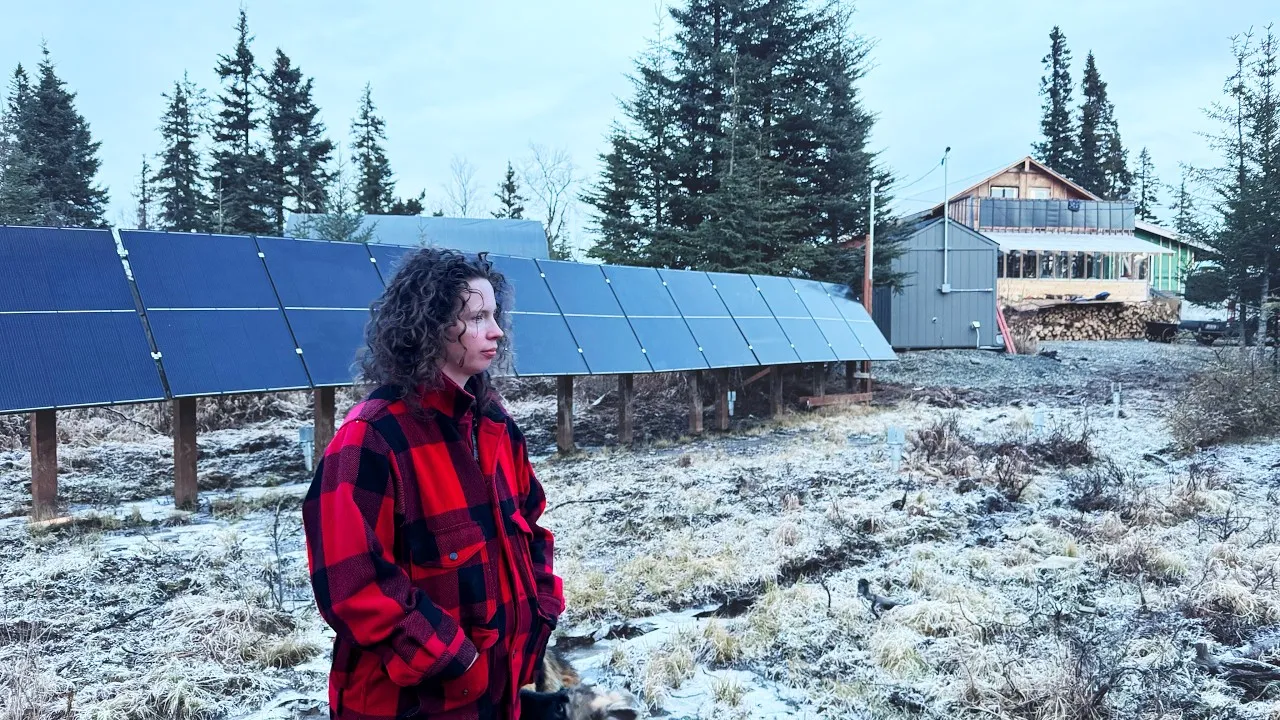
A new 1 megawatt solar power plant has been designed to incorporate both photovoltaic and concentrated solar thermal technologies, with a unique twist: it includes a fossil fuel backup system.
Concentrated solar, also known as solar thermal, uses mirrors to focus sunlight and generate heat, which can then be used to power a traditional steam turbine or stored for later use.
The plant will use heliostats—devices that incorporate mirrors and a motorized tracking system—to keep the focus on a single point as the sun moves across the sky.
The main advantage of installing a solar plus storage energy system is that it gives users the ability to use solar electricity even when the sun isn’t shining.
The plant's design allows it to run on either stored solar heat or combustion, with the fossil fuel backup system sharing most of the generating hardware with the solar side.
According to Ars Technica, adding the capability to burn fossil fuels tacks on less than 10 percent of the total cost.
The hot fluid generated by the solar thermal process can be used to power a traditional steam turbine or stored and used to generate power overnight.
The plant's unique angle is that the same hardware that handles solar thermal output can simply be run using fossil fuels if there is a significant shortfall in renewable generation.
This innovative approach addresses the challenge of maintaining power generation during periods of low solar output, providing a reliable backup option.
The plant's design reflects the ongoing evolution of solar power technology, combining traditional and modern methods to enhance efficiency and reliability.
While concentrated solar costs fell enough to compete with nuclear power, the price of photovoltaics has plunged, making solar panels the cheapest source of power in most locations.
Background
A new 1 megawatt solar power plant has been designed to incorporate both photovoltaic and concentrated solar thermal technologies, with a unique twist: it includes a fossil fuel backup system.
A 1 megawatt solar power plant integrates photovoltaic and concentrated solar thermal technologies, featuring a fossil fuel backup system.
What's confirmed
- A new 1 megawatt solar power plant has been designed to incorporate both photovoltaic and concentrated solar thermal technologies, with a unique twist: it includes a fossil fuel backup system.
- Concentrated solar, also known as solar thermal, uses mirrors to focus sunlight and generate heat, which can then be used to power a traditional steam turbine or stored for later use.
- The plant will use heliostats—devices that incorporate mirrors and a motorized tracking system—to keep the focus on a single point as the sun moves across the sky.
- The main advantage of installing a solar plus storage energy system is that it gives users the ability to use solar electricity even when the sun isn’t shining.
- The plant's design allows it to run on either stored solar heat or combustion, with the fossil fuel backup system sharing most of the generating hardware with the solar side.
- According to Ars Technica, adding the capability to burn fossil fuels tacks on less than 10 percent of the total cost.
- The hot fluid generated by the solar thermal process can be used to power a traditional steam turbine or stored and used to generate power overnight.
- The plant's unique angle is that the same hardware that handles solar thermal output can simply be run using fossil fuels if there is a significant shortfall in renewable generation.
- This innovative approach addresses the challenge of maintaining power generation during periods of low solar output, providing a reliable backup option.
- The plant's design reflects the ongoing evolution of solar power technology, combining traditional and modern methods to enhance efficiency and reliability.
- While concentrated solar costs fell enough to compete with nuclear power, the price of photovoltaics has plunged, making solar panels the cheapest source of power in most locations.
What's still developing
- While there are other types of solar technologies that exist (like thin-film cells ), the majority of photovoltaic solar panels available for installation are either monocrystalline or polycrystalline, and are made out of silicon.
- Article updated on January 28, 2026, 10:00 am EST As someone who experiences regular power outages due to storms and random occurrences, I’ve learned that having a backup plan for electric outages is essential for my home.
- Another major investigation, carried out by the Solar Intensity X-ray and Particles Spectrometer (SIXS), is how solar charged particles and space storms impact Mercury.
- The plant produces integrated circuits, power switches, and power supply units for the onboard computers and navigation systems of Kh-101 missiles; automation components and control units for Iskander-K missiles; and semiconductors for the radars and fire-control systems of the Pantsir-S1 air defense missile-gun complex.
- Start powering your devices with it now by picking it up for $40.
- These days, power solutions aren’t just about capacity and speed.
- Two new studies are giving planetary scientists hope While we still don’t know if there’s extraterrestrial life out there, we do know the conditions for it exist, even in our own solar system.
- The dating of lunar samples collected during the Apollo missions tells us that many of these impacts formed around 3.9 billion years ago, which was relatively early in the evolution of our 4.6 billion year old solar system.
- But there is a growing body of alternative models that could account for the many impact craters on the moon and hence Earth, and these require a different evolutionary hypothesis for the early solar system.
- EDT and began repressurizing the Quest airlock at 3:08 p.m.
- During each pass, the twin orbiters collected vital information on one of the least explored planets in the Solar System, helping address its many fundamental mysteries.
- It does, however, show why the comparison is increasingly important: storage costs are rising, the value of firming solar generation is growing, and project economics now depend heavily on duration, location, existing infrastructure, and the ability to convert otherwise-curtailed solar power into dependable capacity.