
Home · Technology · Nov 8 archive
Former Secret Service Agent Raises Second Cybersecurity Fund
· Confirmed
In Short: Stephen Ward, a former Secret Service agent turned venture capitalist, is raising a new cybersecurity fund.
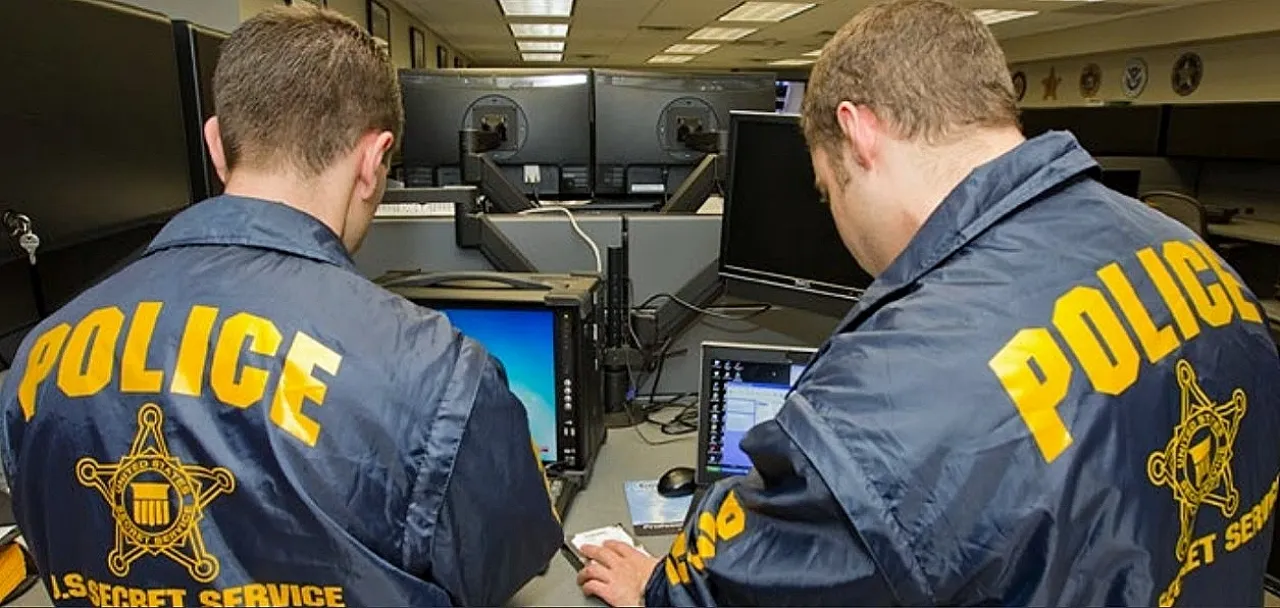
Secret Service agents conducting investigations.
Former Secret Service agent Stephen Ward is raising a second cybersecurity fund, following his success with Brightmind Partners, a venture capital firm focused on cybersecurity startups.
Ward's career path is unique, having transitioned from the military and law enforcement to cybersecurity investing. He co-founded Brightmind Partners, which raised a $250 million debut fund.
Ward's unemotional approach to cybersecurity and his background in law enforcement set him apart from other investors. He previously worked for the Coast Guard and spent nine years with the Secret Service.
Ward's current fund aims to match the size of his first fund, targeting around $250 million. He is betting on early-stage cybersecurity startups, which are raising more money than later-stage rivals for the first time in over a decade.
Ward's journey to venture capital was unconventional. After leaving the Secret Service, he struggled to find his next move, feeling lost and missing the camaraderie of his previous roles.
A chaplain who worked with Secret Service personnel introduced Ward to the agency, leading to his first call from the Secret Service after his transition.
Ward's experience includes a stint as a CISO at TIAA and Home Depot, providing him with a unique perspective on cybersecurity challenges.
Audible purchased the rights to Ward's story, turning it into an eight-episode podcast titled 'Operation Firewall,' which details his work as a cybersecurity consultant.
The cybersecurity landscape is rapidly evolving, with new threats emerging regularly. Ward's fund aims to support startups addressing these challenges, such as those developing automated pipelines for finding and exploiting vulnerabilities.
The recent Binance hack, where hackers stole $6.3 billion in cryptocurrency, highlights the importance of robust cybersecurity measures. Ward's background in law enforcement and cybersecurity investing positions him well to identify promising startups in this space.
Ward's pragmatic approach and extensive experience make him a standout figure in the cybersecurity investment community, as he continues to raise funds for his second venture capital firm.
What this adds
Ward's second fund aims to match the size of his first, targeting around $250 million.
Ward's background in law enforcement and cybersecurity provides a unique perspective for identifying promising startups.
What's confirmed
- Former Secret Service agent Stephen Ward is raising a second cybersecurity fund, following his success with Brightmind Partners, a venture capital firm focused on cybersecurity startups.
- Ward's career path is unique, having transitioned from the military and law enforcement to cybersecurity investing. He co-founded Brightmind Partners, which raised a $250 million debut fund.
- Ward's unemotional approach to cybersecurity and his background in law enforcement set him apart from other investors. He previously worked for the Coast Guard and spent nine years with the Secret Service.
- Ward's current fund aims to match the size of his first fund, targeting around $250 million. He is betting on early-stage cybersecurity startups, which are raising more money than later-stage rivals for the first time in over a decade.
- Ward's journey to venture capital was unconventional. After leaving the Secret Service, he struggled to find his next move, feeling lost and missing the camaraderie of his previous roles.
- A chaplain who worked with Secret Service personnel introduced Ward to the agency, leading to his first call from the Secret Service after his transition.
- Ward's experience includes a stint as a CISO at TIAA and Home Depot, providing him with a unique perspective on cybersecurity challenges.
- Audible purchased the rights to Ward's story, turning it into an eight-episode podcast titled 'Operation Firewall,' which details his work as a cybersecurity consultant.
- The cybersecurity landscape is rapidly evolving, with new threats emerging regularly. Ward's fund aims to support startups addressing these challenges, such as those developing automated pipelines for finding and exploiting vulnerabilities.
- The recent Binance hack, where hackers stole $6.3 billion in cryptocurrency, highlights the importance of robust cybersecurity measures. Ward's background in law enforcement and cybersecurity investing positions him well to identify promising startups in this space.
- Ward's pragmatic approach and extensive experience make him a standout figure in the cybersecurity investment community, as he continues to raise funds for his second venture capital firm.
What's still developing
- Ward’s unvarnished pragmatism is one reason he stands out.
- His unemotional approach to exits traces back to an unlikely career.
- The research, published on November 4, outlines an automated pipeline for finding, exploiting, and patching vulnerabilities, powered by a forthcoming AI model for cybersecurity.
- 25% off tickets now Back by popular demand: Save up to $300 on Disrupt Cybersecurity teams with the U.S.
- According to blockchain records and cybersecurity research firm Hudson Rock, the breach originated from a compromised web monitoring script supplied by DebugBear, a UK-based third-party developer.
- The breaches occurred during a "capture-the-flag" cybersecurity exercise run by Irregular, a Tel Aviv-based AI security startup, in which Gemini was asked to retrieve hidden information from a simulated company network inside a sandboxed environment.
- The theft, which could rank among the largest financial heists in history.
- The market saw a significant shift, with tech subsectors like semiconductors, cybersecurity, disruptive tech, memory names, quantum tech, and software all ending the day higher, according to FXStreet.
- "At this point I think it's clear we cannot expect companies to voluntarily come forward and publicly disclose when their agents go rogue, escape, and hack companies," Sydney Von Arx told NBC News.
- An OpenAI agent didn’t take “no” for an answer when it encountered a government website’s access controls.
- The Senate Armed Services Committee echoed those concerns, acknowledging that the military’s cybersecurity system could only detect threats it already knew about.
- Another is the size of his firm’s debut fund late last year: a whopping $250 million fund, which he closed with co-founder Gur Talpaz.