
Home · Politics · Nov 8 archive
Democrats Win Congress, Impacting Supreme Court Dynamics
Confirmed
In Short: Democrats won control of both chambers of Congress in the 2026 midterm elections, setting the stage for potential changes in Supreme Court dynamics.
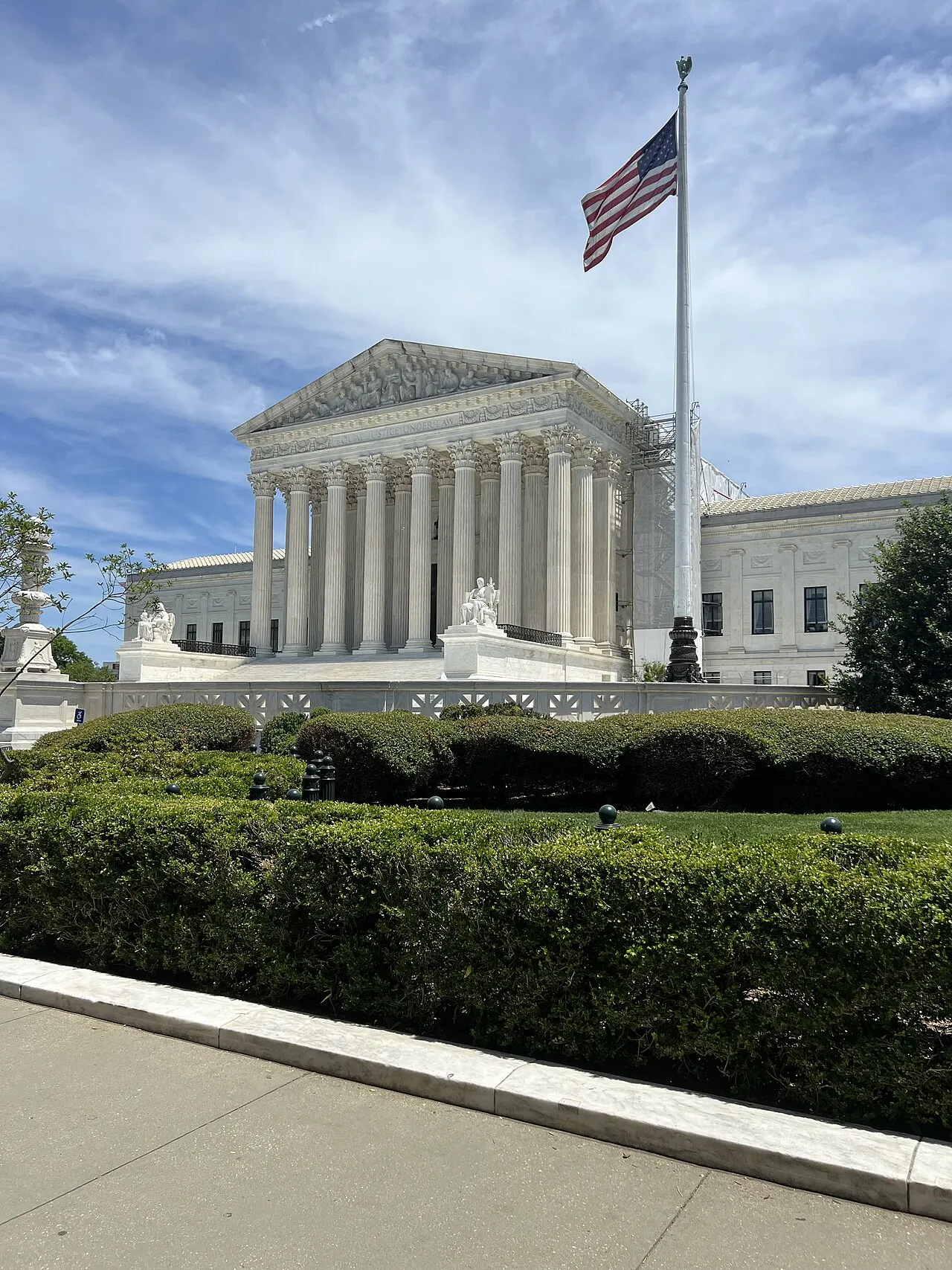
Building of the United States Supreme Court.
Democrats Won Congress. What Changes Now, and What Doesn't. Context Desk
With Democrats now in charge of the House and Senate, they are poised to address issues such as judicial conduct and the Supreme Court’s decisions.
Supreme Court Justice Samuel Alito recused himself from a major climate-change case, Suncor v., on September 28, 2026, highlighting ongoing concerns about judicial integrity.
The Supreme Court declined to intervene in a Biden-era immigration policy, leaving in place a court order that blocks certain deportation proceedings.
The Court also allowed Tennessee to proceed with the execution of Christa Gail Pike, despite objections from her legal team.
The upcoming term of the Supreme Court, which began in September 2026, includes significant cases like Mullin v. National TPS Alliance, which could affect the Temporary Protected Status program.
Justice Elena Kagan criticized recent Supreme Court decisions affecting voting rights and campaign finance, arguing they harm democracy and lead to partisan gerrymandering.
Democrats are also focusing on state supreme courts, particularly in North Carolina and Ohio, where they aim to flip the makeup of the benches in 2028.
Supreme Court Justice Alito Jr. Expressed concern over protests against the Court, stating they are part of a campaign to intimidate justices.
President Donald Trump criticized the Supreme Court in the past, but current reactions from political figures are more focused on the new political dynamics.
The Marquette Law School survey indicates that the Supreme Court is underwater, with 47% approving and 53% disapproving.
What this adds
The shift in Congress control could lead to increased scrutiny and potential reforms in judicial conduct and Supreme Court decisions.
The midterm elections results have set the stage for potential changes in the composition and dynamics of the Supreme Court in the coming years.
What's confirmed
- With Democrats now in charge of the House and Senate, they are poised to address issues such as judicial conduct and the Supreme Court’s decisions.
- Supreme Court Justice Samuel Alito recused himself from a major climate-change case, Suncor v., on September 28, 2026, highlighting ongoing concerns about judicial integrity.
- The Supreme Court declined to intervene in a Biden-era immigration policy, leaving in place a court order that blocks certain deportation proceedings.
- The Court also allowed Tennessee to proceed with the execution of Christa Gail Pike, despite objections from her legal team.
- The upcoming term of the Supreme Court, which began in September 2026, includes significant cases like Mullin v. National TPS Alliance, which could affect the Temporary Protected Status program.
- Justice Elena Kagan criticized recent Supreme Court decisions affecting voting rights and campaign finance, arguing they harm democracy and lead to partisan gerrymandering.
- Democrats are also focusing on state supreme courts, particularly in North Carolina and Ohio, where they aim to flip the makeup of the benches in 2028.
- Supreme Court Justice Alito Jr. Expressed concern over protests against the Court, stating they are part of a campaign to intimidate justices.
- President Donald Trump criticized the Supreme Court in the past, but current reactions from political figures are more focused on the new political dynamics.
- The Marquette Law School survey indicates that the Supreme Court is underwater, with 47% approving and 53% disapproving.
What's still developing
- U.S. District Judge Ada Brown in Texas is facing judicial conduct proceedings after she was accused of making racial insults toward a lawyer, judges and court staff, and recusing from dozens of cases without explanation or for "unusual" reasons. "There's 2,400 federal judges, so there's going to be a few bad apples, but if we're going to talk about cleaning up the government, we can't leave out the third branch," Roth said.
- The premier source for Supreme Court news, analysis, and data since 2002.
- Supreme Court to overrule the stay, putting Pike back on track to be executed, and Pike’s legal team has since responded to the state’s appeal.
- The case is considered one of the most significant climate-related disputes to reach the Supreme Court in years.
- Each week, Bulwark publisher Sarah Longwell (not a lawyer) sits down with a legal expert to unpack how the latest court filings, rulings, and procedural twists and turns of the Trump era are shaping American democracy.
- The election may be over, but the fight for accountability is just beginning, and they’ll be here to explain what Congress can do, what the courts will allow, and how to make sure the guardrails hold this time.
- As it gets ready to start a new term, the Supreme Court has a polling problem.
- In the months leading up to the disastrous 2006 election, President George W Bush fired his press secretary, Scott McClellan, and withdrew the Supreme Court nomination of his close confidante, Harriet Miers.
- Before the justices took the bench on Monday for the first oral arguments of the 2026-27 term, the Supreme Court issued a list of orders from the justices’ private conference on Sept. 28, where they considered petitions for review that built up during the summer recess.
- For example, in Mullin v. National TPS Alliance, the Supreme Court ordered a federal appeals court to take another look at its decision on Venezuelans’ and Haitians’ participation in a program that allows foreign nationals to remain in the U.S. and work here when they cannot safely return home after the court held in June that the federal law creating the Temporary Protected Status program generally bars courts from reviewing the administration’s program-related decisions.
- Trump took to Truth Social to hammer the court for its latest “bad decision” after the ruling came down on Monday: Republicans just got another bad decision from the United States Supreme Court, one that the Court System took forever to give, and then blamed it, in part, on no time left to implement a solution to our totally CORRUPT and out of control Mail-In voting “disaster,” which is a laughing stock all over the World, and where we are the only country that has to endure such a Nation Destroying SCAM.
- In her dissent from the April decision, Kagan accused the majority of making changes that “eviscerate the law.” Kagan said election law was “just about the most important thing that the Court does,” describing voting rights as “foundational.” She also took aim at the Court’s 2019 decision that federal judges cannot throw out congressional maps for being too partisan.