
Home · Science · Nov 7 archive
One of the year's most prolific meteor showers to light up the night sky this weekend
Confirmed
In Short: The Leonid meteor shower, one of the year's most prolific celestial events, is set to peak on the night of November 17, according to the BBC.
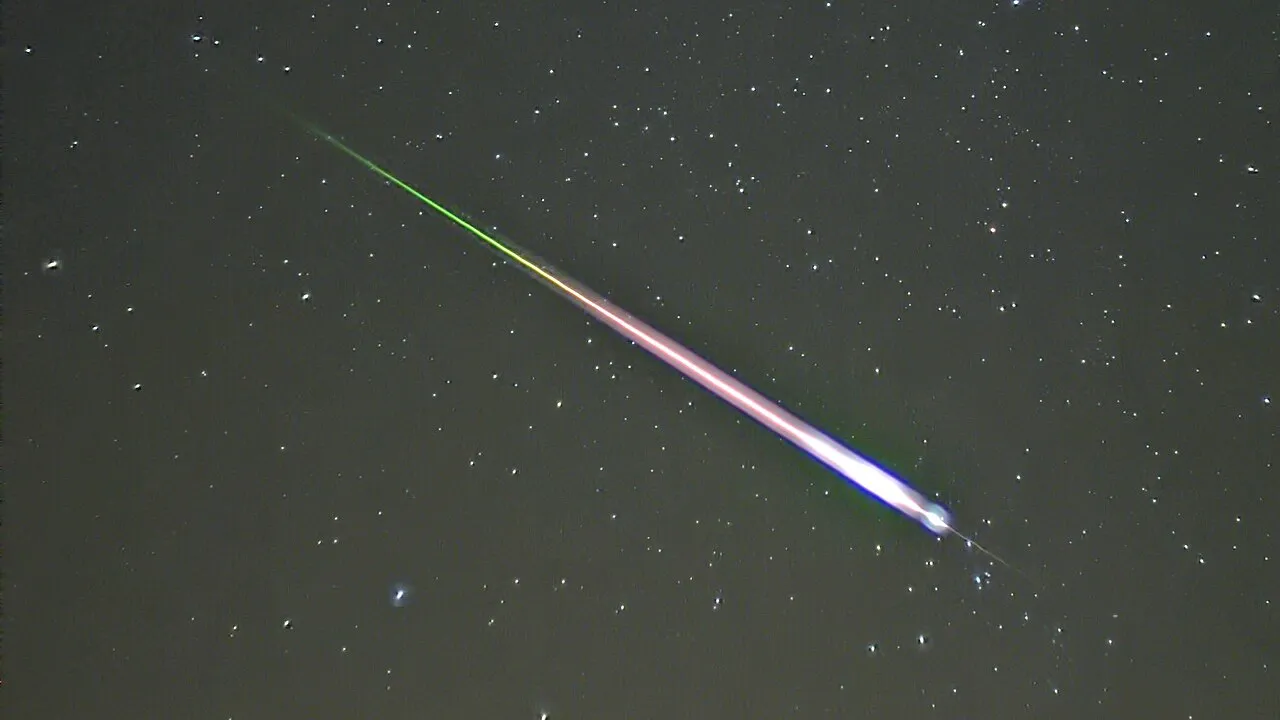
The Leonid meteor shower, one of the year's most prolific celestial events, is set to peak on the night of November 17, according to the BBC. This annual spectacle will continue until November 30, providing stargazers with a chance to see up to 10-15 meteors per hour.
Experts advise that the best viewing conditions will be found in a dark location away from light pollution, such as street lights. The meteors will appear to emanate from the constellation Leo, making the head of the constellation the focal point for observers.
However, the weekend's weather forecast may not be ideal for those hoping to catch the start of the shower. Overnight temperatures are expected to drop into single digits, with the possibility of frost in some areas, requiring viewers to dress warmly.
The Leonid meteors enter Earth's atmosphere at an astonishing speed of up to 44 miles per second, making them the fastest meteors visible in the sky.
While the Leonid meteor shower is a highlight for astronomy enthusiasts, other notable events in the entertainment world are also drawing attention.
While the Leonid meteor shower captivates the sky, these events in the entertainment world highlight the enduring legacies of those who have made significant contributions to their respective fields.
What this adds
The Leonid meteor shower's peak coincides with a period of relatively low moonlight, enhancing visibility for stargazers.
What's confirmed
- The Leonid meteor shower, one of the year's most prolific celestial events, is set to peak on the night of November 17, according to the BBC. This annual spectacle will continue until November 30, providing stargazers with a chance to see up to 10-15 meteors per hour.
- Experts advise that the best viewing conditions will be found in a dark location away from light pollution, such as street lights. The meteors will appear to emanate from the constellation Leo, making the head of the constellation the focal point for observers.
- However, the weekend's weather forecast may not be ideal for those hoping to catch the start of the shower. Overnight temperatures are expected to drop into single digits, with the possibility of frost in some areas, requiring viewers to dress warmly.
- The Leonid meteors enter Earth's atmosphere at an astonishing speed of up to 44 miles per second, making them the fastest meteors visible in the sky.
- While the Leonid meteor shower is a highlight for astronomy enthusiasts, other notable events in the entertainment world are also drawing attention.
- While the Leonid meteor shower captivates the sky, these events in the entertainment world highlight the enduring legacies of those who have made significant contributions to their respective fields.
What's still developing
- Meteors could be visible anywhere but the Leonids' radiant - the point from which they seem to appear - will, as the name suggests, be around the head of the constellation Leo, meaning this is the best part of the sky to focus your gaze.
- The week's most important music stories and least important music memes.