
Home · World · Nov 7 archive
Israel's President Picks Eisenkot Over Netanyahu to Form New Government
· Confirmed
In Short: Israeli President Isaac Herzog has chosen Gadi Eisenkot to form a new government, a move that could end Benjamin Netanyahu's long tenure as prime minister.
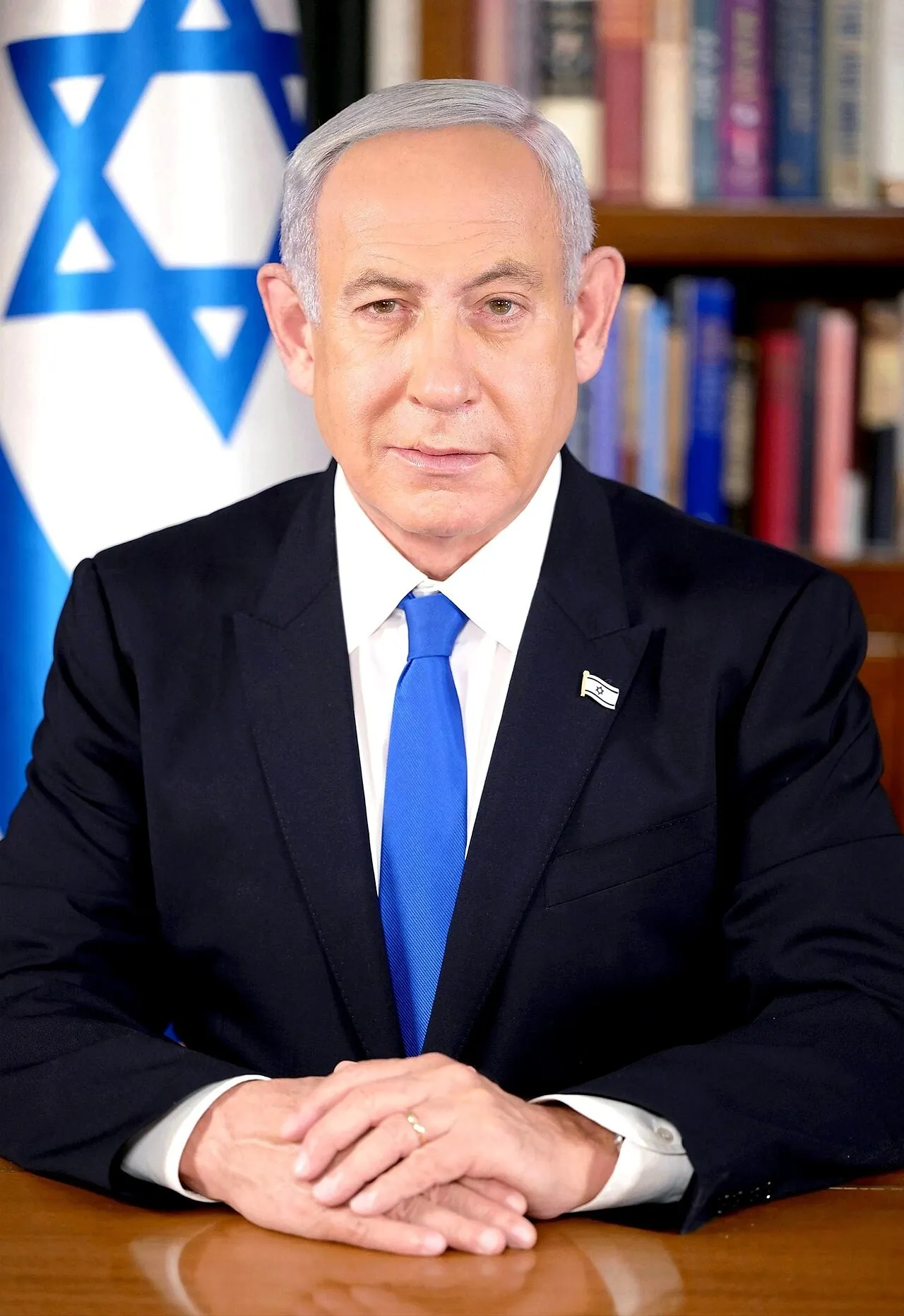
Israeli President Isaac Herzog has chosen Gadi Eisenkot to form a new government, according to Al Jazeera and NPR. Herzog informed Eisenkot of his decision on Saturday evening and will formally hand him the mandate at a ceremony on Sunday, the president’s spokesperson said.
Al Jazeera reported that Arab-led parties, representing Palestinian citizens of Israel, won a record 19 seats, potentially giving them significant influence in the coalition-building process. NPR noted that Herzog held consultations with political parties this week to decide who he would appoint to form a government after neither side secured a majority in the October 27 general election.
The Times of Israel and Rnz reported that Eisenkot, who leads the opposition bloc, has 28 days to build a coalition that would end Netanyahu’s long tenure as prime minister. The Guardian added that Netanyahu, Israel’s longest-serving leader, is fighting to stay in office after his religious-nationalist coalition lost its majority in the October 27 election.
According to Al Jazeera, Ahmad Tibi, a senior member of the Joint List – a coalition of Arab-led parties that holds 11 seats – told the publication on Saturday that Herzog’s decision was “expected.” The Los Angeles Times reported that Eisenkot’s opposition bloc, which includes several parties, gained 48 seats, and picked up 19 more after Arab-led parties said they will support him, for a total of 67.
Neither Netanyahu's coalition nor the opposition bloc led by Eisenkot secured a parliamentary majority, according to the official results. CBS News confirmed that the election results left both sides without a clear path to power.
The Guardian highlighted that the humanitarian crisis in Gaza has largely been ignored as rivals Eisenkot and Netanyahu vow to end Hamas rule. The Times of Israel reported that with a majority of voters backing parties opposed to Netanyahu’s rule, surveys show the election could end his long hold on power or leave him in office.
The news adds that the predominantly Arab parties, which combined have 19 seats, could play a crucial role in determining the next government, as neither main political bloc has a parliamentary majority. This is consistent with the BACKGROUND that neither Netanyahu's bloc nor the opposition bloc led by Eisenkot secured a parliamentary majority.
The sources agree that Herzog has chosen Eisenkot to form a new government, and that Netanyahu’s long tenure as prime minister is at stake. The predominantly Arab parties, which won a record 19 seats, could be crucial in forming a coalition.
Background
In a joint statement, the leaders said all their parties would recommend Eisenkot to President Isaac Herzog, who is set to begin consultations with parties on who should form the next government on Wednesday.
Final results from Israel's 2026 election confirmed that neither Prime Minister Benjamin Netanyahu's bloc nor the opposition bloc led by Gadi Eisenkot secured a parliamentary majority.
What's confirmed
- Herzog told Eisenkot of his decision on Saturday evening and will formally hand him the mandate at a ceremony on Sunday, the president’s spokesperson said.
- Herzog held consultations with political parties this week to decide who he would appoint to form a government after neither side secured a majority in the October 27 general election.
- Netanyahu, Israel’s longest-serving leader, is fighting to stay in office after his religious-nationalist coalition lost its majority in an October 27 election but still emerged as the largest bloc in parliament.
- Israeli President Isaac Herzog has chosen Gadi Eisenkot to have the first opportunity to form a new Israeli government, according to a statement released by his office on Saturday evening.
- Neither Prime Minister Benjamin Netanyahu's coalition nor the opposition bloc, led by Gadi Eisenkot, secured a majority, according to the official results.
What's still developing
- He could also form a government with fewer than 61 seats if he wins a parliamentary confidence vote.
- It's a setback for Netanyahu, whose party won the most seats but failed to secure a parliamentary majority.
- Humanitarian catastrophe largely ignored as rivals Gadi Eisenkot and Benjamin Netanyahu vow to end Hamas rule Humanitarian catastrophe largely ignored as rivals Gadi Eisenkot and Benjamin Netanyahu vow to end Hamas rule As Israel prepares to go to the polls, Palestinians in Gaza are bracing for an outcome that could shape their future, knowing their fate rests with the country that has reduced much of the territory to rubble and killed nearly 75,000 people.
- Netanyahu’s chief rival, Gadi Eisenkot, attended the rally that was an echo of the weekly ones once held to call for the release of hostages taken into Gaza.
- But this turn of events is more than a legal dispute: it also reveals Israeli Prime Minister Benjamin Netanyahu’s broader campaign strategy for the elections, given that he is unlikely to win an outright majority.
- Prime Minister Benjamin Netanyahu, Israel’s longest-serving premier and now seeking a seventh term, faces wide criticism for his handling of the wars, which have isolated Israel internationally.
- He entered politics only four years ago and joined Netanyahu's war cabinet after the Hamas attack, but quit eight months later, criticising the prime minister's leadership.
- Netanyahu’s political future has come under growing pressure following the October 7, 2023, Hamas attacks on Israel and the wars that followed in Gaza and Lebanon, as well as the conflict with Iran that began on February 28.