
Home · World · Nov 7 archive
IEA Predicts 4,800 GW of New Renewables by 2031
Confirmed
In Short: The International Energy Agency (IEA) released a new report on Friday predicting a substantial rise in global renewable energy capacity.
The International Energy Agency (IEA) released a new report on Friday predicting a substantial rise in global renewable energy capacity. By 2031, the world is expected to see an addition of almost 4,800 gigawatts (GW) of renewable capacity, marking a 57% increase compared to the previous six years.
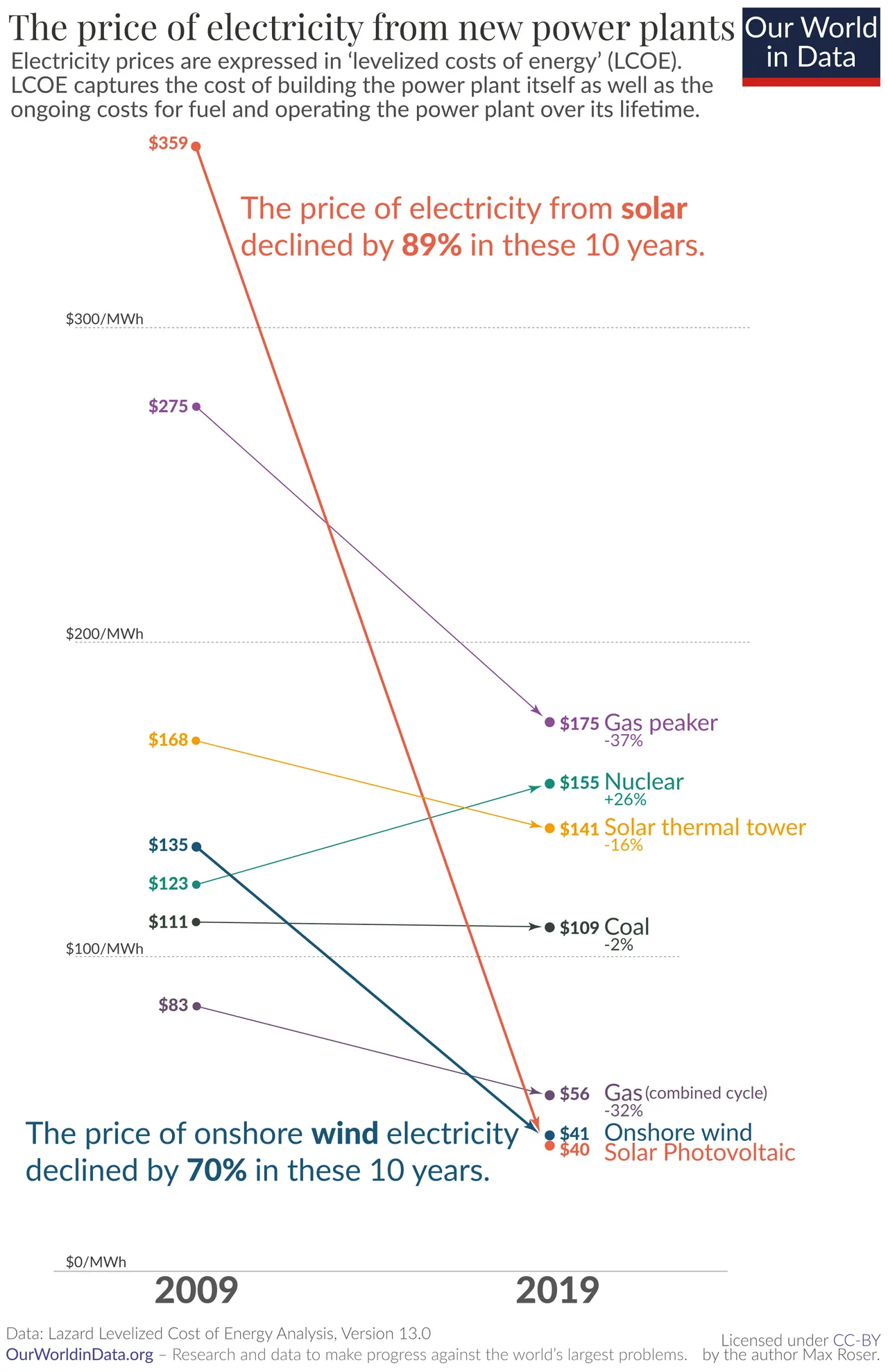
According to the IEA, this surge in renewable capacity is driven by heightened energy security concerns, supportive policies, and the growing competitiveness of wind and solar power. IEA Executive Director Fatih Birol noted, “Today, it’s mainly energy security that is driving renewables’ expansion as more and more countries seek to reduce their exposure to imported fuels.”
The report highlights that emerging and developing economies outside of China are set to match the clean energy capacity additions in advanced economies. China’s share of global renewable capacity growth is expected to drop from over 60% in 2025 to 53% by 2031.
India, Southeast Asia, Africa, and the Middle East are expected to significantly increase their contributions to global renewable capacity growth due to strong policy support and market development.
The IEA’s Renewables 2026 report also forecasts that renewables will generate nearly 45% of global electricity by 2031, up from 33% in 2025. Total global onshore wind capacity is projected to jump by over 70% to 2,040 GW by 2031.
The report underscores that the deployment of renewables is spreading beyond major markets into every corner of the world, making them a key pillar of the global power sector. By 2031, renewables are expected to account for nearly half of global electricity generation.
The heightened focus on energy security worldwide is strengthening the case for renewable energy deployment at a faster pace than before, according to the IEA.
The IEA notes that the use of renewables helps reduce constraints on electricity generation, improve the efficiency of energy facilities, and provide additional services to power systems.
What's confirmed
- “Previously, environmental concerns were the policy priority behind the growth of renewables, whose falling costs have made them a competitive option in many markets – but today, it’s mainly energy security that is driving renewables’ expansion as more and more countries seek to reduce their exposure to imported fuels,” IEA Executive Director Fatih Birol said in a statement.
- For the first time, emerging markets outside China are set to match the clean energy capacity additions in advanced economies through 2031, the agency said in its Renewables 2026 report with analysis and forecasts through 2031.
What's still developing
- Oil Traders Want U.S. to Release Sanctioned Tankers as Freight Costs Soar The Strait of Hormuz crisis and the spike in fuel prices are pushing faster renewable energy deployment across the world, the International Energy Agency (IEA) said in a new report on Friday.