
Home · Health · Nov 5 archive
Pittsburgh Councilors Hear Calls for Single-Payer Health Care
Confirmed
In Short: Pittsburgh councilors and attendees at a meeting heard calls for a single-payer health care system, with proponents citing both statistics and personal stories.
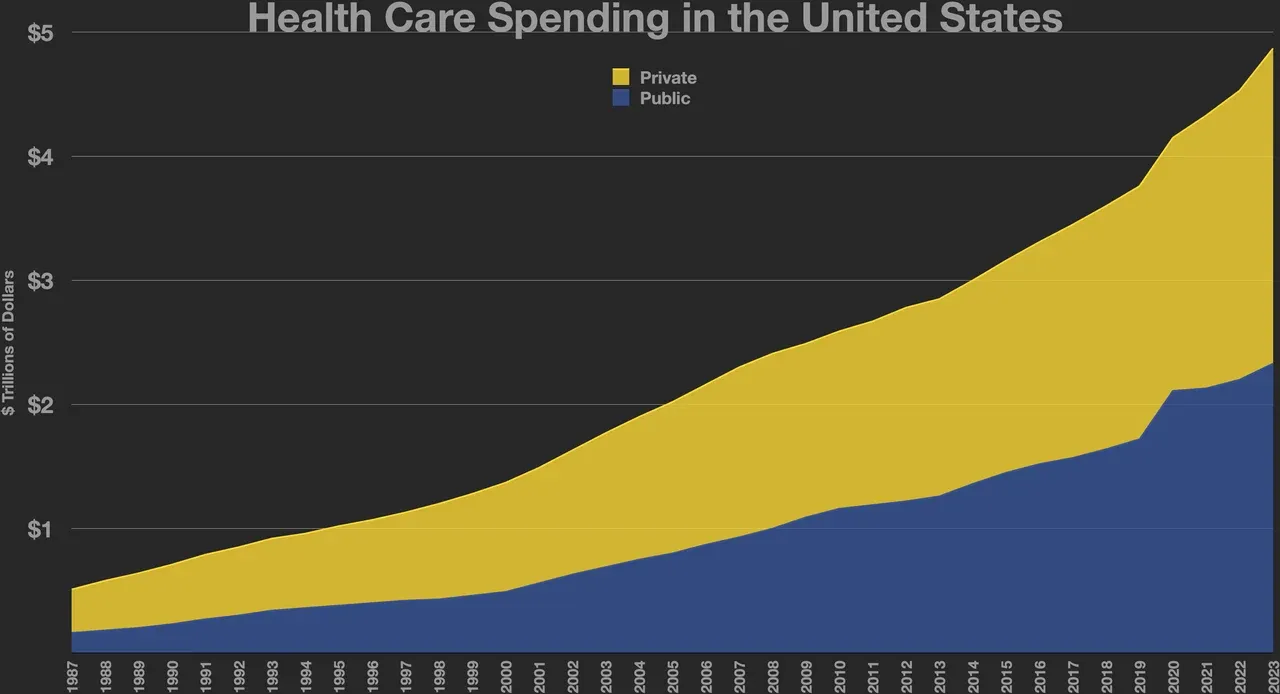
At a recent meeting in Pittsburgh, councilors and attendees heard impassioned calls for a single-payer health care system. Committee chairman Paul Klein and six other councilors, along with two County Council candidates and Pittsburgh City Councilor Barb Warwick, were present.
Participants cited statistics showing that 40% of American adults are burdened with health care debt. Proponents argued that the $4 trillion spent annually on health care could fund comprehensive coverage for all.
Councilor Liv Bennett shared her own struggles with medical debt and obtaining health care coverage at a new job, highlighting the issue's personal impact.
Ed Grystar, chair of the Western PA Coalition for Single Payer Healthcare, urged County Council to put a referendum on the ballot calling for national single-payer health care.
Klein acknowledged the county's lack of legal authority over national health care but suggested tangible actions, such as encouraging local health care providers to donate medications.
Judith Albert, a retired obstetrician/gynecologist, emphasized that the U.S. Spends twice as much per capita on health care as other industrialized countries but lags in outcomes.
Attendees also heard about the challenges faced by health care workers, with 51% of the lowest-paid workers at local health care giant UPMC owing medical debt.
The meeting highlighted the growing support for single-payer health care, with a majority of California’s likely voters favoring a state plan and the state senate passing a bill to establish such a program.
More than 500 Democratic doctors, nurses, and scientists with public health backgrounds ran for office nationwide, indicating a broader push for health care reform.
What this adds
The meeting in Pittsburgh reflects a broader national conversation about health care reform, with proponents emphasizing both statistical evidence and personal anecdotes to advocate for a single-payer system.
The May PPIC Statewide Survey found that 53% of California’s likely voters favor a single-payer state plan, underscoring the growing support for such reforms.
Background
The midterms will determine the balance of power in Washington and the direction of health care policies, with health care affordability and access remaining key issues for voters.
STAT reporters are focusing on health care issues as the midterms approach, with a particular emphasis on industry trends and consumer impact.
What's confirmed
- At a recent meeting in Pittsburgh, councilors and attendees heard impassioned calls for a single-payer health care system. Committee chairman Paul Klein and six other councilors, along with two County Council candidates and Pittsburgh City Councilor Barb Warwick, were present.
- Participants cited statistics showing that 40% of American adults are burdened with health care debt. Proponents argued that the $4 trillion spent annually on health care could fund comprehensive coverage for all.
- Councilor Liv Bennett shared her own struggles with medical debt and obtaining health care coverage at a new job, highlighting the issue's personal impact.
- Ed Grystar, chair of the Western PA Coalition for Single Payer Healthcare, urged County Council to put a referendum on the ballot calling for national single-payer health care.
- Klein acknowledged the county's lack of legal authority over national health care but suggested tangible actions, such as encouraging local health care providers to donate medications.
- Judith Albert, a retired obstetrician/gynecologist, emphasized that the U.S. Spends twice as much per capita on health care as other industrialized countries but lags in outcomes.
- Attendees also heard about the challenges faced by health care workers, with 51% of the lowest-paid workers at local health care giant UPMC owing medical debt.
- The meeting highlighted the growing support for single-payer health care, with a majority of California’s likely voters favoring a state plan and the state senate passing a bill to establish such a program.
- More than 500 Democratic doctors, nurses, and scientists with public health backgrounds ran for office nationwide, indicating a broader push for health care reform.
What's still developing
- Democrats’ landslide victory in the midterm elections will have dramatic implications for Americans’ health care, but we’re still waiting for several races to be called.
- “People are ready for fundamental change,” he said.
- “That’s what medical debt does to citizens of Allegheny County.” Now working for a private company that provides emergency care, Neely said she sees people seeking medical care who are blocked at the front desk by outstanding balances and copayments who turn around and walk out.
Sources
- Pittsburgh Union Progresslink
- Public Policy Institute of Californialink
- STATlink
- AFPlink
- Defence24link
- Latintimeslink
- Fox Newslink
- Thenevadaindependentlink
- Prospectlink
- Themoscowtimeslink
- Geosiriuslink
- Kccilink
- Al Jazeeralink
- WarpBeat — background on STAT+: The health care affordability midterms, and billing urgent care as ER link
- WarpBeat — background on STAT Reporters Watch Health Care Issues Ahead of Midterms link