
Home · World · Nov 4 archive
Netanyahu Faces Coalition Showdown as Israel Awaits New Government
Confirmed
In Short: Prime Minister Benjamin Netanyahu's grip on power in Israel is under scrutiny as President Isaac Herzog begins consultations with leaders of all parties elected to the 26th Knesset to determine who will form the next government.
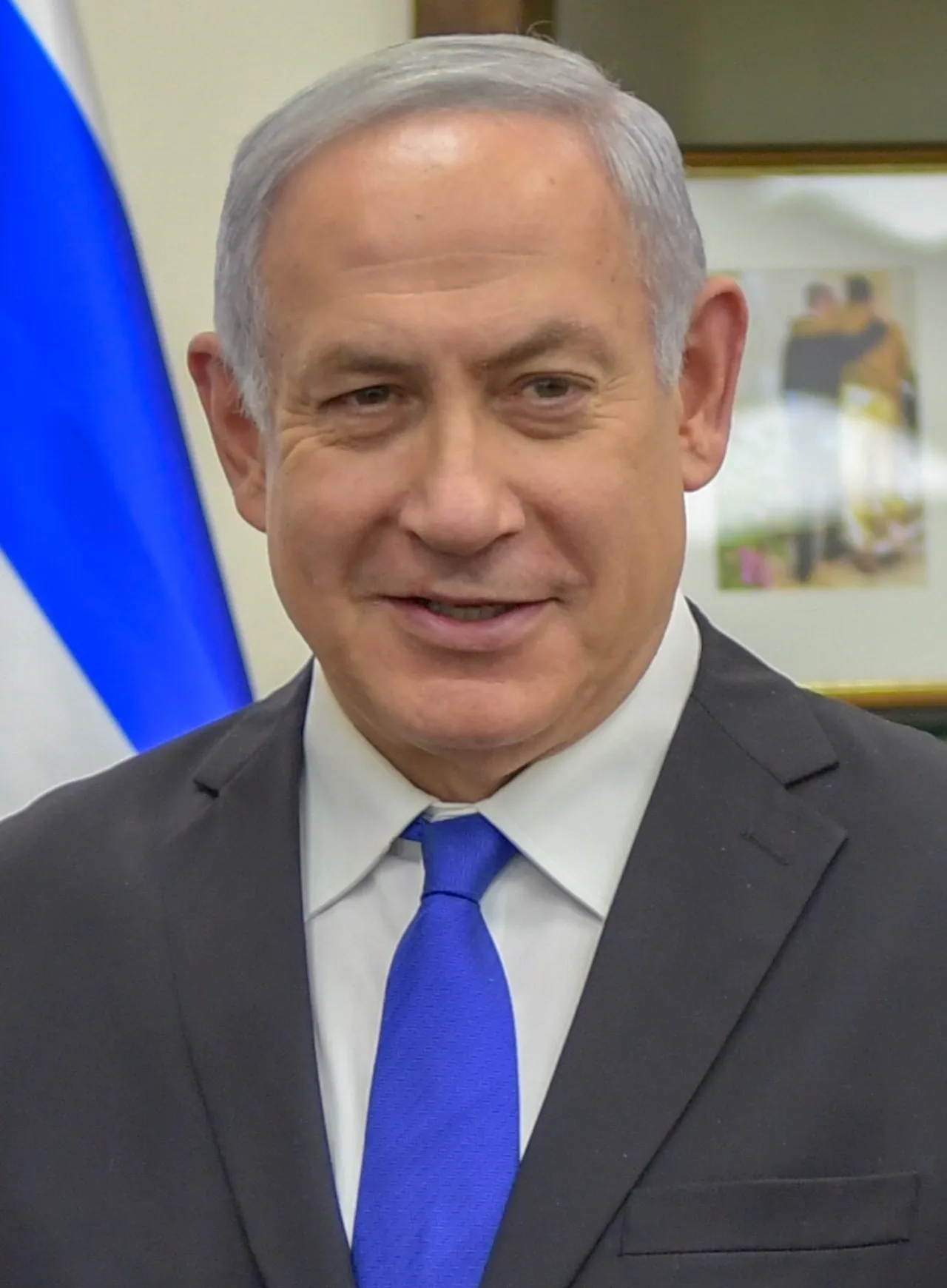
The final vote count, published last Friday, showed Netanyahu's bloc securing 53 seats in the 120-member Knesset, compared to 48 for the opposition alliance led by Gadi Eisenkot. However, 61 seats are needed to form a government.
Netanyahu's opponents are maneuvering to replace Knesset speaker Ohana with Yair Lapid, potentially complicating the formation of a new government.
Netanyahu's opponents argue that his policies are intertwined with his corruption trial and retaining power, raising suspicions about his true motivations.
Forming a government could take months, during which Netanyahu would remain in office even if his opponents secured a parliamentary majority.
Netanyahu remains defiant, dismissing partnerships with Arab parties as treasonous and insisting on a strong, right-wing, nationalist government.
Former military chief Gadi Eisenkot, Netanyahu's main rival, is working to persuade other leaders to join his efforts to establish a Zionist government committed to military conscription.
Netanyahu's opponents claim victory, setting the stage for political maneuvering as the country awaits the final count and the start of coalition negotiations.
What this adds
The political landscape remains uncertain as Netanyahu's bloc and the opposition alliance both fall short of the majority needed to form a government.
What's confirmed
- The final vote count, published last Friday, showed Netanyahu's bloc securing 53 seats in the 120-member Knesset, compared to 48 for the opposition alliance led by Gadi Eisenkot. However, 61 seats are needed to form a government.
- Netanyahu's opponents are maneuvering to replace Knesset speaker Ohana with Yair Lapid, potentially complicating the formation of a new government.
- Netanyahu's opponents argue that his policies are intertwined with his corruption trial and retaining power, raising suspicions about his true motivations.
- Forming a government could take months, during which Netanyahu would remain in office even if his opponents secured a parliamentary majority.
- Netanyahu remains defiant, dismissing partnerships with Arab parties as treasonous and insisting on a strong, right-wing, nationalist government.
- Former military chief Gadi Eisenkot, Netanyahu's main rival, is working to persuade other leaders to join his efforts to establish a Zionist government committed to military conscription.
- Netanyahu's opponents claim victory, setting the stage for political maneuvering as the country awaits the final count and the start of coalition negotiations.
What's still developing
- TEL AVIV, Israel: Prime Minister Benjamin Netanyahu’s hold on power in Israel will be tested Wednesday as President Isaac Herzog begins consultations with leaders of all parties elected to the 26th Knesset before deciding which lawmaker to task with forming the next government.
- "They are doing everything they can to push Netanyahu out of office, and we are seeing that now with discussions about replacing the Knesset speaker. They can then begin trying to advance legislation in a Knesset with 19 seats held by Arab parties that would be very uncomfortable for Netanyahu," Diker said.
- "I think it would behoove Netanyahu, Eisenkot, former Prime Minister Bennett and former Defense Minister Liberman to find a way to work together now, given the imminent clash between the apocalyptic death cult known as the Iranian regime, Israel and, by extension, the rest of the Western world," he said.
- Most recently, during Netanyahu’s current term, one of the ultra-Orthodox parties withdrew from the coalition over a dispute related to military conscription but continued to support the government from outside.
- "I think we're entitled to be suspicious of the real motivation of Netanyahu, because his policies are very much intertwined with his corruption trial and retaining power," he said.
- An opposition-led government might reconsider Israel's reliance on military force in dealing with Tehran, Mekelberg argued, while also questioning whether Netanyahu's political interests could influence future military decisions.
- The 2003 boast that haunts today's Iran conflict 'What if we're left with ruins?': Doubts creep in for Iranians who supported war "This is the culmination of what [Netanyahu] has tried to rebrand as the War of Redemption, which in his mind started on October 7, 2023. And this is - if not the last war - then the big war against Iran," said Neri Zilber, a journalist based in Tel Aviv and a policy advisor to the Israel Policy Forum, a US think tank.
- One of Netanyahu's former national security advisers has described it as "a golden opportunity to change the direction of the whole Middle East".
- "Benjamin Netanyahu is still selling a major victory," he added, pointing out that Israel had continued talking about the potential for regime change long after the Trump administration had stopped.
- Israeli President Isaac Herzog urged political leaders on Wednesday to prevent another round of elections, as preliminary results showed Prime… Israeli Prime Minister and Likud party leader Benjamin Netanyahu gives a statement following exit polls for Israel’s national election, at Likud’s election headquarters in Jerusalem, Oct. 28, 2026.
- But the result nevertheless represents a significant setback for Netanyahu’s governing coalition, which won 64 seats in the 2022 election.
- Netanyahu’s Likud emerged as Israel’s largest party, securing a projected 26 seats, five more than Eisenkot’s Yashar party.