
Home · World · Nov 2 archive
Gulf Nations Propose Economic Relief for Iran
ConfirmedShare on
In Short: Gulf countries are proposing a deal to Iran that would see them provide economic relief in exchange for Iran lifting restrictions on the Strait of Hormuz, according to a report in Foreign Affairs.
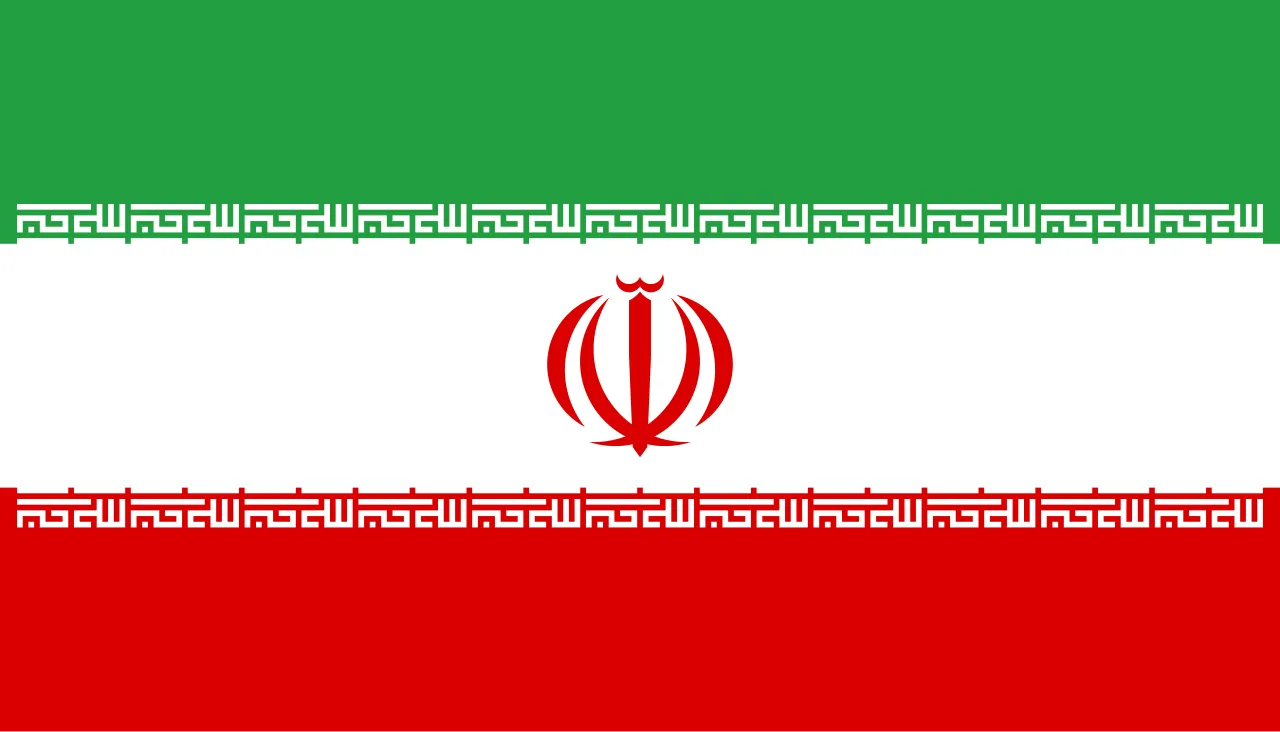
Gulf countries are proposing a deal to Iran that would see them provide economic relief in exchange for Iran lifting restrictions on the Strait of Hormuz, according to a report in Foreign Affairs.
The proposal comes amid ongoing tensions and attacks in the region. A recent Reuters investigation documented at least 135 Iranian drone and missile attacks on at least 84 infrastructure sites across seven Gulf states since the start of the war.
The ongoing conflict has disrupted oil exports from Gulf OPEC+ producers, with exports fluctuating at 60-80% of normal levels in recent months.
India, traditionally reliant on Gulf suppliers for LPG imports, has been forced to diversify its purchasing plans. The government reportedly asked Indian Oil, Bharat Petroleum, and Hindustan Petroleum to secure at least 15% of next year’s LPG imports through annual US deals.
The UAE has emerged as one of the most confrontational Gulf states, maintaining close military coordination with both the US and Israel throughout the war, and has quietly launched military strikes on Iran.
The renewed fighting has added to instability across the region, leaving Washington’s Gulf ally increasingly exposed to the wider conflict.
What this adds
The sources have not established the exact terms of the economic relief proposal or the extent to which Gulf countries will be able to secure alternative energy supplies.
Background
Gulf countries are proposing a deal to Iran that would see them provide economic relief in exchange for Iran lifting restrictions on the Strait of Hormuz, according to a report in Foreign Affairs.
What's confirmed
- Gulf countries are proposing a deal to Iran that would see them provide economic relief in exchange for Iran lifting restrictions on the Strait of Hormuz, according to a report in Foreign Affairs.
- The proposal comes amid ongoing tensions and attacks in the region. A recent Reuters investigation documented at least 135 Iranian drone and missile attacks on at least 84 infrastructure sites across seven Gulf states since the start of the war.
- The ongoing conflict has disrupted oil exports from Gulf OPEC+ producers, with exports fluctuating at 60-80% of normal levels in recent months.
- India, traditionally reliant on Gulf suppliers for LPG imports, has been forced to diversify its purchasing plans. The government reportedly asked Indian Oil, Bharat Petroleum, and Hindustan Petroleum to secure at least 15% of next year’s LPG imports through annual US deals.
- The UAE has emerged as one of the most confrontational Gulf states, maintaining close military coordination with both the US and Israel throughout the war, and has quietly launched military strikes on Iran.
- The renewed fighting has added to instability across the region, leaving Washington’s Gulf ally increasingly exposed to the wider conflict.
What's still developing
- And an Iranian military commander said his country will not allow U.S. warships to enter the Persian Gulf as concerns grow of a return to all-out war.
- The West Asia war, which started with the US and Israel striking Iran late February, has upended India’s LPG import pie, which was traditionally dominated by Gulf suppliers like the United Arab Emirates (UAE), Qatar, Kuwait, and Saudi Arabia.
- They called into question the current and planned future socioeconomic model of the Gulf states.