
Home · Politics · Oct 31 archive
Federal Judge Halts Trump DOJ's Threats to Election Workers
· Confirmed
In Short: A federal judge issued a temporary restraining order Friday, halting the Trump administration's threats to election workers over suspected noncitizen ballots.
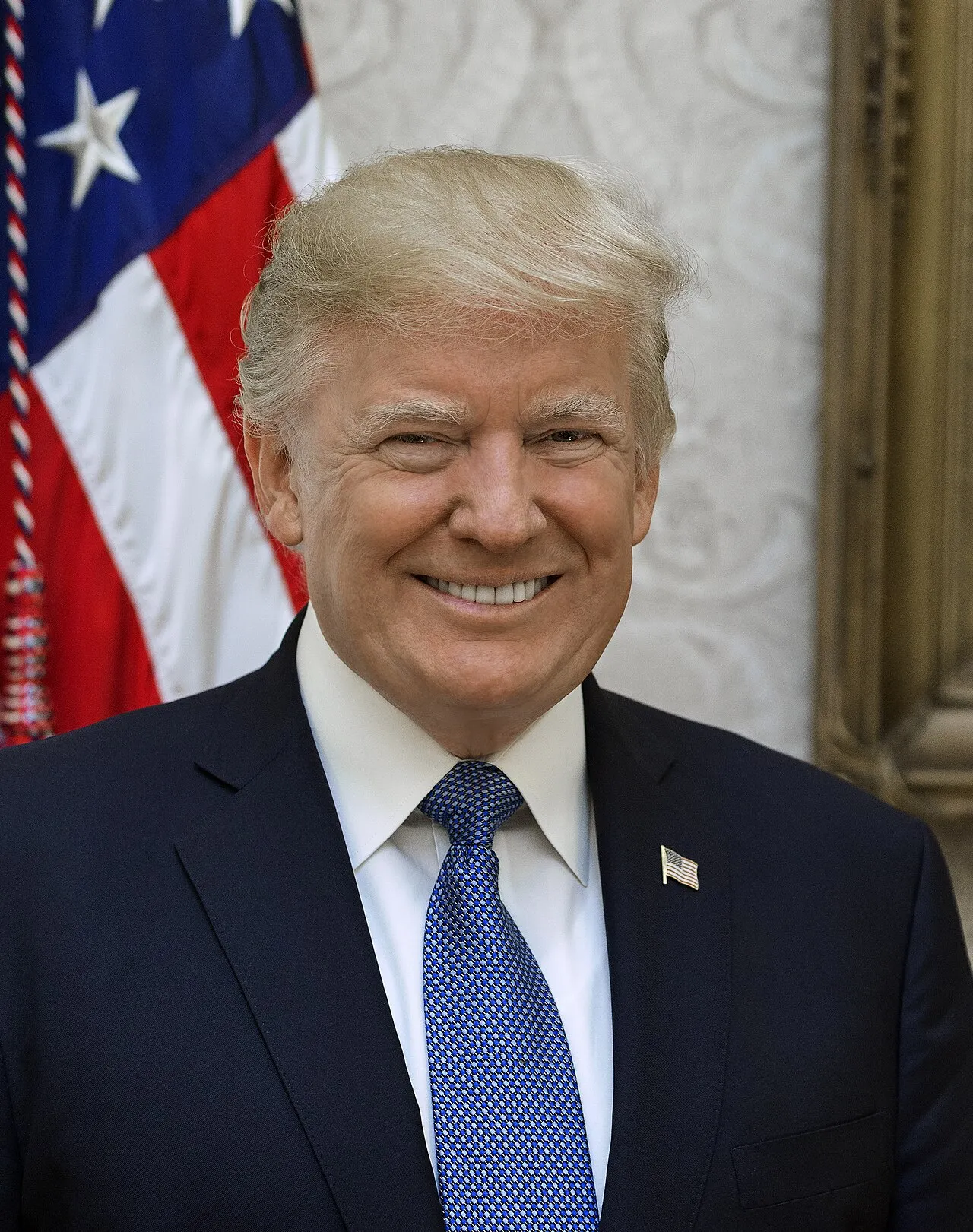
A federal judge issued a temporary restraining order Friday, halting the Trump administration's threats to election workers over suspected noncitizen ballots. The order, issued by U.S. District Judge Trina Thompson, bars the administration from pressuring election officials to reject ballots based on allegations of voter ineligibility.
Judge Thompson's ruling came in response to a lawsuit filed by unions representing election workers, who argued that the DOJ's actions were politically motivated and could interfere with the administration of the 2026 midterm elections.
The lawsuit, filed by the Service Employees International Union (SEIU), the American Federation of State County and Municipal Employees (AFL-CIO), and pro-voting groups, alleged that the DOJ's actions were unlawful and could intimidate election workers.
The Trump administration had sent letters to election officials in 57 of California's 58 counties, directing them to cooperate with the DOJ's investigations of illegal voting or face investigations themselves.
Judge Thompson ordered the administration to notify state and local governments that received the disputed letters that the demands and threats of prosecution contained in them have been blocked.
The judge also directed the Justice Department to disclose any pending search warrant applications, grand jury subpoenas, or other demands seeking election materials or testimony related to allegedly ineligible voters.
In a statement, Judge Thompson said, 'One of the hallmarks of a fair election is the freedom to exercise the right to vote free from threat, fear, or intimidation.'
County Registrar Dean Logan had hoped to force election officials to temporarily set aside ballots in question until citizenship status could be confirmed.
The unions representing election workers argued that the DOJ's actions 'significantly risk interfering with the lawful administration of the ongoing 2026 midterm elections and the counting of ballots in accordance with federal and state law.'
What this adds
The ruling is a significant legal setback for the Trump administration days before the midterm elections.
The judge's order also bars the administration from demanding that election officials remove registered voters from voter rolls, refuse to issue them ballots, or segregate or decline to count their ballots based solely on allegations of ineligibility.
The case is being closely watched nationwide due to its implications for the upcoming midterm elections.
Background
A federal judge issued a sweeping order Friday night blocking the Trump administration from threatening or intimidating election officials amid pressure tactics used in the weeks leading up to the Nov. 3 midterm elections.
Federal Judge Alvin Hellerstein, who presided over high-profile cases including the prosecution of former Venezuelan President Nicolás Maduro, died Wednesday at 92.
What's confirmed
- "One of the hallmarks of a fair election is the freedom to exercise the right to vote free from threat, fear, or intimidation," Thompson, a Biden-appointed judge, wrote in the eight-page order.
- "Americans have already begun voting." Thompson also ordered the administration to notify state and local governments that received the disputed letters that the demands and threats of prosecution contained in them have been blocked.
- The order also bars the administration from demanding that election officials remove registered voters from voter rolls, refuse to issue them ballots or segregate or decline to count their ballots based solely on those allegations.
What's still developing
- “This court believes it would be wise that any threats to state and county elected employees cease immediately. Goodnight,” Carter, who was appointed by former President Bill Clinton, said before exiting the courtroom.
- “It means something to be a United States citizen. It means something to participate in an election,” he said.
- The court case is being closely watched nationwide because of its implications one week before Election Day, as the Trump administration continues its efforts to root out what it has alleged is voter fraud, even though data doesn’t support the claim that such illegal activity is widespread.
- In recent weeks, federal prosecutors have implied that election workers who process ballots they’ve been told may have been cast by a noncitizen could be held criminally liable.
- Related: DOJ request for California ballots of ‘likely noncitizens’ be set aside lands in court Tuesday In the meantime, the judge said threats against election workers should end immediately.
- “There’s clearly no legitimate law enforcement purpose here with regard to the service of these subpoenas, the ongoing litigation,” said Center for Election Innovation & Research executive director David Becker, a leading elections expert.
- Thompson scheduled a preliminary injunction hearing for Nov.
- U.S. District Judge Trina Thompson issued the temporary restraining order against the Justice Department, the Department of Homeland Security, Attorney General Todd Blanche and Homeland Security Secretary Markwayne Mullin, finding that their actions likely violated federal voting rights law and constitutional limits on federal authority.
- “Within 48 hours, we ask that you commit to working with DOJ and DHS to identify who on the accompanying list is a citizen and who is not,” Essayli wrote, adding, “That means sending us the nonpublic information associated with each suspected alien’s registration,” including Social Security numbers, state IDs or driver’s licenses.
- First Assistant U.S. Attorney Bilal Essayli wrote in the letter that he was attaching a list of “1133 likely aliens” registered to vote in San Bernardino County.
- The letters, dated Oct. 29 and signed by Acting Deputy Attorney General Trent McCotter, remind officials to preserve election records for 22 months after a federal election.
- “Election officials know that they have an obligation to comply with this law — they know that real, real well — and this certainly looks like it’s meant to intimidate rather than to inform,” he said.