
Home · Health · Oct 31 archive
DRC's Ebola Outbreak Surpasses 10,000 Cases, 4,887 Deaths
· ConfirmedShare on
In Short: The Democratic Republic of Congo's Ebola outbreak, caused by the rare Bundibugyo virus, has surpassed 10,000 confirmed cases and 4,887 deaths.
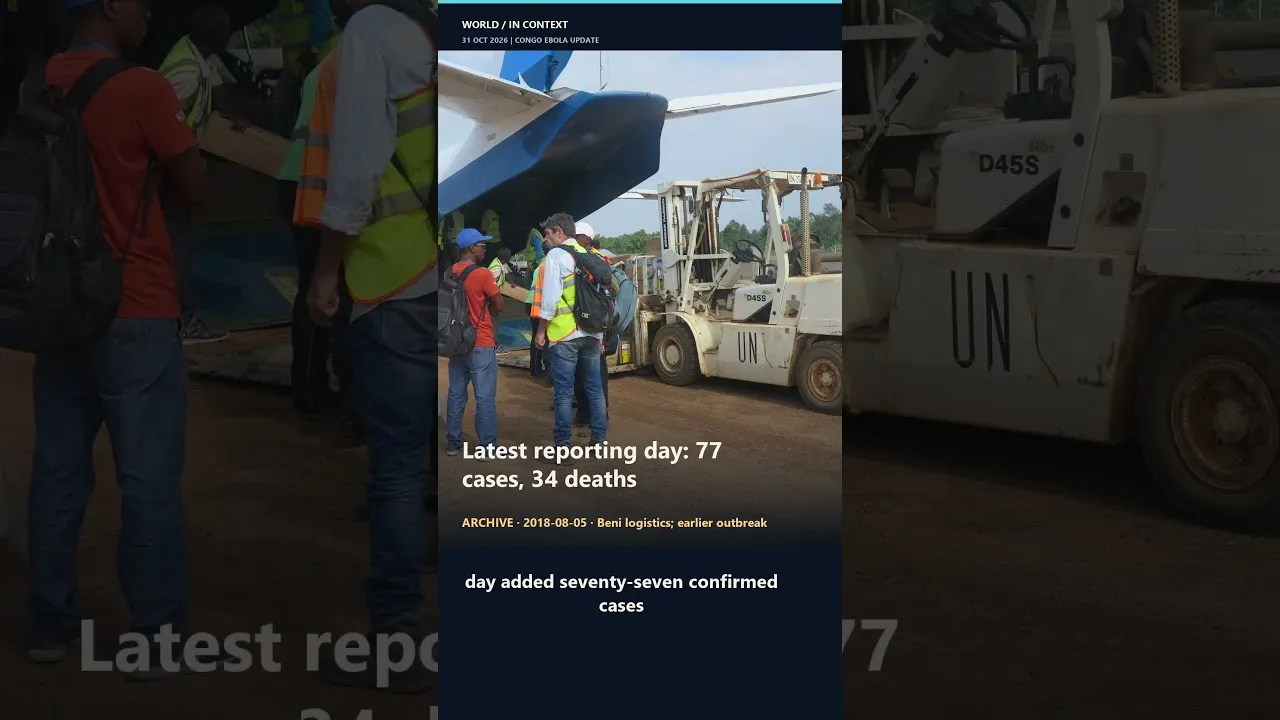
The Democratic Republic of Congo's Ebola outbreak, caused by the rare Bundibugyo virus, has surpassed 10,000 confirmed cases and 4,887 deaths, marking the deadliest outbreak in the country's history.
According to the latest government figures, the outbreak has affected 66 health zones in eight of the DRC’s 26 provinces, with the eastern province of Ituri remaining the epicenter.
The fatality rate has reached 48.6 percent, with more than 10,000 people infected since the outbreak was first declared in May.
Health authorities are struggling to control the outbreak, with no approved treatments or vaccines for the Bundibugyo strain.
The outbreak is the second-largest and second-deadliest on record, trailing only the 2014-2016 West African epidemic, which saw 28,600 infected and more than 11,000 dead within two years.
According to the Africa Centres for Disease Control and Prevention, at least 95 percent of cases must come from the known contacts of infected people for the outbreak to be considered under control.
However, only about 12 percent of confirmed cases in the DRC have been identified among previously known contacts, signaling that some chains of transmission remain undetected.
The outbreak is spreading substantially faster than previous Ebola outbreaks, surpassing 1000 confirmed cases within 40 days of response activation.
In neighboring Uganda, Health Minister Chris Baryomunsi announced that citizens returning from the DRC must quarantine for 21 days at their own expense as a precautionary measure.
The Centers for Disease Control and Prevention (CDC) said no cases tied to this outbreak have been reported in the US and rates the overall risk to the American public as low.
Background
The Ebola outbreak in the Democratic Republic of Congo has surpassed 5,000 deaths, with the virus spreading to neighboring countries.
The Democratic Republic of Congo's Ebola outbreak, caused by the Bundibugyo virus, has surpassed 10,000 confirmed cases and nearly 5,000 deaths.
What's confirmed
- This year’s Ebola outbreak is the second-largest ever, behind only the 2014-2016 epidemic that infected more than 28,600 people and killed more than 11,000 people across Guinea, Liberia and Sierra Leone.
- East African countries Kenya and Uganda have also reported cases.
- More than 10,000 people have been infected since the outbreak was first declared in May, according to the latest government figures from the Democratic Republic of Congo.
- The fatality rate reached 48.6 percent as the outbreak affected 66 health zones in eight of the DRC’s 26 provinces, with the eastern province of Ituri remaining the epicenter.
- About 80 percent of new cases are coming from outside the chains of transmission that health authorities are monitoring, complicating containment efforts.
- The death toll from the Ebola outbreak in the Democratic Republic of Congo has surpassed 5,000, government data showed on Friday, as authorities had yet to find a way to control the country's deadliest Ebola epidemic on record, WAM reported.
- Last week Nigeria became the fourth African country to report an Ebola case, extending the outbreak's geographic spread to West Africa.
- The warning follows confirmation that Ebola cases in the Democratic Republic of the Congo (DRC) have surpassed 10,000, with 4,887 deaths recorded, according to government figures released on 27 October.
- CDC also lists 1 confirmed case each in Nigeria and France. 1 CDC said no cases tied to this outbreak have been reported in the US and rates the overall risk to the American public as low.
- The Africa Centres for Disease Control and Prevention (Africa CDC) has said at least 95 percent of cases must come from the known contacts of infected people for the outbreak to be considered under control.
- Cases have been recorded in 66 health zones across eight provinces, up from just three in the first days.
- The outbreak, declared on May 15, is caused by the Bundibugyo virus, a rare Ebola strain for which no vaccine or treatment has been approved.
What's still developing
- Delayed detection, conflict and strained health services have helped the virus spread more rapidly than in past outbreaks, reaching eight of the DRC’s 26 provinces to date.
- By comparison, the 2018 DRC outbreak took approximately 235 days to pass the same mark.
- NEW YORK -- The Ebola outbreak in Congo passed a grim milestone this week -- 10,000 confirmed cases -- and spurred questions about whether health authorities are losing their ability to contain it.
- The outbreak was declared on May 15, but genetic sequencing suggests it may have begun months earlier, possibly in February.
- The expanding geographical reach of the outbreak raises operational considerations around travel restrictions, medical evacuation arrangements, and access to specialist treatment facilities.
- But that earlier outbreak still has the highest case count — more than 28,000 cases.
- The first, on October 6, was a man who traveled from the DRC through Uganda to Nairobi, was hospitalized, and died in isolation; later cases were relatives or health care providers, all already in quarantine, and Kenya reports no community spread. 1 Uganda reported 20 confirmed cases and 2 deaths, plus 1 probable case and 1 probable death, with its last reported case confirmed June 21.
- The country’s officials have said there are no active infections in the country after recording 20 cases – mostly imported from the DRC – and two deaths over the summer.
- Five months into the outbreak, responders in the DRC say some treatment centres are overwhelmed, while remote and newly affected areas are short of medical supplies and health workers.
- On Saturday, assailants killed a nurse and seriously injured a colleague as the two responded to a suspected Ebola case in Bafwasende, Tshopo province, the WHO said.
- Last month, Marie-Celestin Karondwa, a local politician, was fatally beaten after defending the Ebola response on the radio, his party said.