
Home · World · Oct 29 archive
Ukraine's Economy Shrinks as Russian Strikes Intensify
Confirmed
In Short: Ukraine's economy is set to shrink by 0.4% this year, the first decline since 2022, as Russian attacks on businesses and infrastructure continue.
Ukraine's National Bank announced on Oct. 29 that the country's economy will contract by 0.4% this year, a stark revision from its previous forecast of 1.8% growth.
Intensified Russian strikes on Ukrainian businesses have pushed the economy into decline for the first time since 2022, with key industries being choked off and inflation hitting a three-year high.
To combat the economic downturn, the National Bank raised its benchmark interest rate from 16% to 16.5%, the highest level since October 2023.
The bank expects a slow recovery in economic growth in 2027-2028, attributing this to the ongoing destruction caused by Russian attacks.
Economic activity will be supported by public and private investment in the defense industry, the localization of weapons production, and projects to restore critical infrastructure.
Russian attacks have escalated, with President Volodymyr Zelenskyy describing them as increasingly terrorist in nature. Moscow has attacked Kyiv’s petrol stations with jet-powered drones, killing two people.
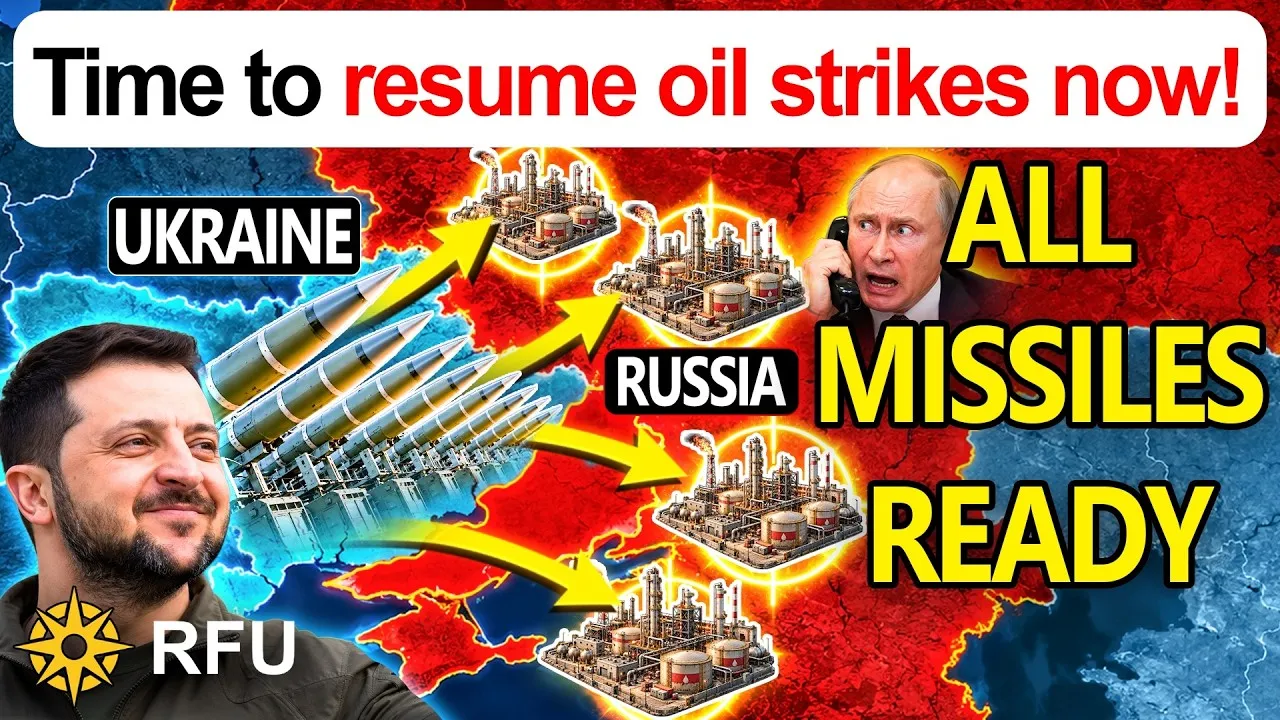
With fighting on the front line largely stalled, Moscow and Kyiv have increasingly targeted logistics and economic targets to damage each other’s war efforts.
The Ukrainian Foreign Ministry spokesperson Heorhii Tykhyi criticized the United Nations for its perceived inaction, writing on X that Moscow had “mined” the organization.
Russian President Vladimir Putin dismissed Zelenskyy’s open letter as “boorish,” particularly after a May 22 drone attack on a college dormitory in the Russian-controlled Luhansk region that killed 21.
A drone strike sank a Turkish-owned cargo ship carrying Ukrainian corn in Romania’s exclusive economic zone, killing two crew members and setting off a rescue operation that saved 11 survivors.
NATO has contingency plans for what it calls Russia’s “provocations,” and the U.S. has strengthened economic pressure on Russia through sanctions and tariffs.
A Ukrainian accused of leading a team that bombed the Nord Stream pipelines, which supply Russian gas to Western Europe, is on trial in Germany.
What this adds
Ukraine's economic decline is the first since 2022, when Russia invaded the country.
The ship carrying corn from Ukraine to Italy was attacked in Romania’s exclusive economic zone.
Background
Ukrainian President Volodymyr Zelenskyy said Kyiv received no early warning from partner countries before Russian missile attacks.
Zelenskyy also pointed out that the U.S. may have intentionally withheld early warnings of Russian strikes, multiple sources familiar with the matter told CBS News.
What's confirmed
- HAMBURG: A lawyer for a Ukrainian accused of blowing up the Nord Stream pipelines supplying Russian gas to western Europe said Wednesday Moscow used the network to exert political and economic pressure, as the former military officer’s trial opened in Germany.
- The 50-year-old is accused of leading a Ukrainian team of divers and an explosives expert to bomb Nord Stream, seven months after Russia’s full-scale invasion of Ukraine.
What's still developing
- "The (war) must continue so that we are protected from threats," Kremlin spokesperson Dmitry Peskov said.
- "The (lieutenant) general knew for certain that he was attacking not a military target but a monument of Ukrainian culture. Despite this, he gave the combat order to destroy it," the Prosecutor General wrote.
- Thursday’s letter, the first public message Zelenskyy has written directly to Putin since Russia sent troops into Ukraine in 2022, was a sweeping critique of the Russian leader’s 26 years in power as well as some taunts about his age.
- The proposed meeting would take place on the sidelines of the Asia-Pacific Economic Cooperation (APEC) summit, scheduled for November 18–19 in Shenzhen, China, the newspaper reported.
- Trump said his administration was making progress towards a negotiated settlement and suggested that imposing fresh economic penalties at this stage could push Moscow away from the negotiating table.
- The Graham Act, signed into law on September 18, was designed to strengthen economic pressure on Russia through sanctions, restrictions and tariffs, including measures affecting countries purchasing Russian energy.
- The discussions follow confirmed talks over Lukoil’s foreign assets and Ukrainian warnings about expanding US-Russian economic ties.
- “It’s unconscionable that this administration is capitulating to a Russian dictator who illegally invaded Ukraine and butchers innocent civilians every single day,” Tillis said in a social media post.
- In August, Romania deployed two F-16 fighter jets to destroy a naval drone that was reportedly carrying explosives and was spotted near a major Black Sea gas project, a decision that Acting Defense Minister Miruta said was made to “protect the lives of the several hundred people” working on the gas platform.
- U.S. President Donald Trump on Friday signed a sweeping Russia sanctions bill into law, the White House said in a statement, paving the way for increased economic pressure on Russia over its invasion of Ukraine.
- The authorities claim our work "discredits the decisions of the Russian leadership." We see things differently: we strive to provide accurate, unbiased reporting on Russia.
- The rate is expected to remain in place until spring 2027, the NBU said.
Sources
- AP Newslink
- Sofxlink
- Al Jazeeralink
- United24Medialink
- Latestlylink
- Kyivpostlink
- Arabnewslink
- Aapnewslink
- Sanjuandailystarlink
- Independentlink
- Themoscowtimeslink
- AFPlink
- WarpBeat — background on Zelenskyy Criticizes Lack of Early Warning on Russian Strikes link
- WarpBeat — background on Zelenskyy Blasts Lack of Early Warning on Russian Strikes link
- RFU News — Strategic Geopolitics — video link