
Home · World · Oct 29 archive
South Korea Considers Maritime Patrol Aircraft for Strait of Hormuz Deployment
Confirmed
In Short: South Korea is considering sending a maritime patrol aircraft to the Strait of Hormuz to protect its shipping interests, but has ruled out any combat deployment, according to National Security Adviser Wi Sung-lac.
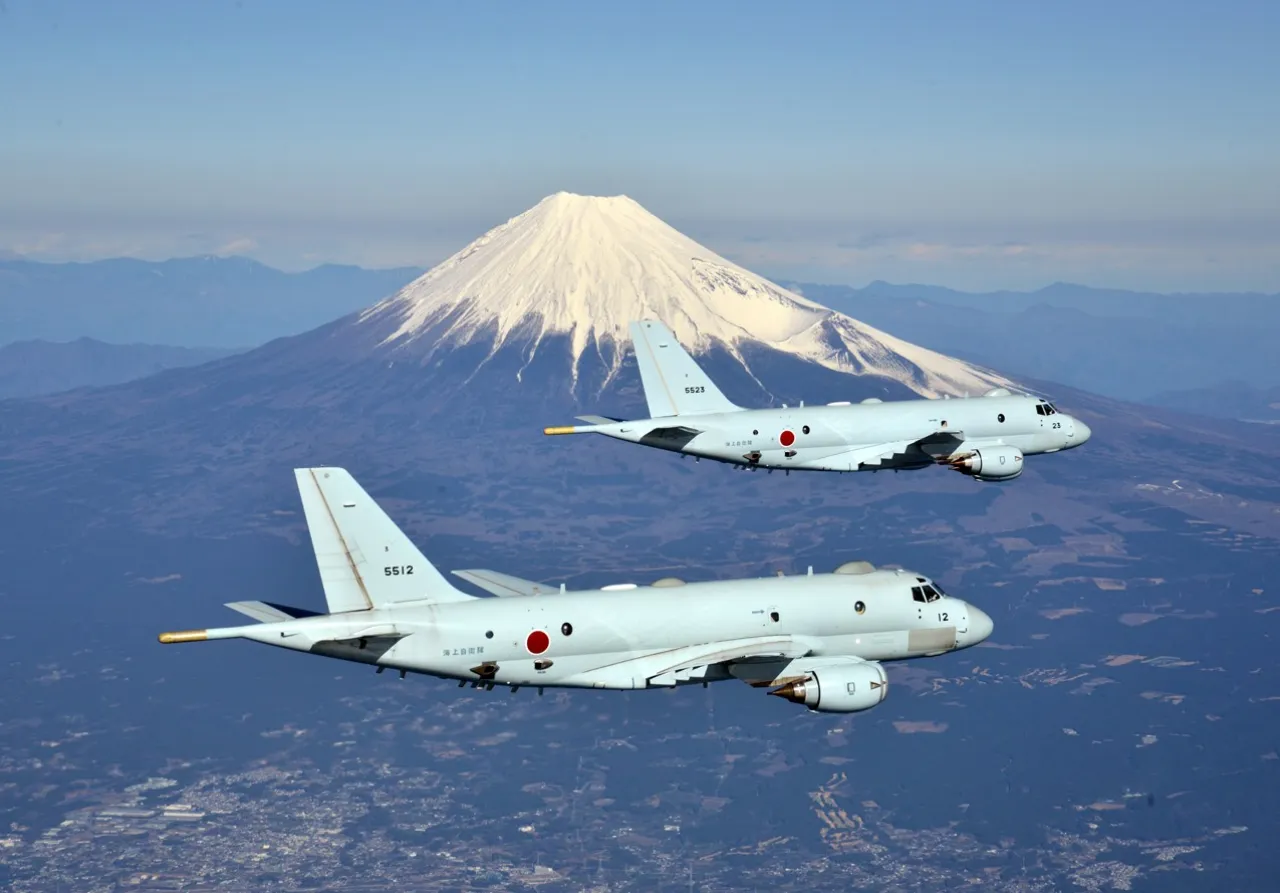
South Korea is considering sending a maritime patrol aircraft to the Strait of Hormuz to protect its shipping interests, but has ruled out any combat deployment, according to National Security Adviser Wi Sung-lac.
President Lee Jae Myung has announced that any form of troop deployment to partake or intervene in the ongoing conflict will not be made, emphasizing that South Korea will continue to uphold the principle of neither participating in nor intervening in the war.
The Strait of Hormuz is a critical transit route for global oil and natural gas supplies, with approximately 20 million barrels of crude oil and petroleum products passing through daily in 2025.
Since the US-Israeli war began in February, Iran has sought to control the waterway and attacked ships it accuses of passing through the strait without authorization.
Three Liberian-flagged oil tankers were struck by unidentified projectiles while transiting the strait this week, according to shipping intelligence firm Marisks.
The attacks on tankers come as the US claims that an increasing volume of oil has started to flow through the strait, though the exact figures are still debatable.
South Korea's economy relies heavily on energy supplies transported through the Strait of Hormuz, making the protection of its shipping routes a priority.
The strait narrows to roughly 33 kilometers at its tightest point, with inbound and outbound shipping lanes for large tankers each only about 3 kilometers wide.
The US and Iran signed a memorandum of understanding in June addressing freedom of navigation through the Strait of Hormuz.
However, the naval blockade of Iranian ports continues, and Iran effectively shut the strait in retaliation for the US-Israeli attacks that began on February 28.
South Korea's government has been reviewing a possible military deployment to the Strait of Hormuz, although the idea is proving unpopular domestically.
President Lee's approval rating has fallen to 33.8 percent, its lowest level since he took office, following negative sentiment over the possible deployment of troops to the Strait of Hormuz.
Background
Three oil tankers have been hit by unknown projectiles while transiting the Strait of Hormuz this week, according to shipping intelligence and security companies.
What's confirmed
- Seoul was continuing discussions with Washington on possible options, but a combat deployment was ruled out in line with President Lee Jae Myung's earlier announcement, Wi told a parliamentary audit.
- South Korea is still considering several options for a possible deployment to the Strait of Hormuz, including sending a maritime patrol aircraft, National Security Adviser Wi Sung-lac said on Thursday, Reuters reported.
- Another occurred near Jask, east of the Strait of Hormuz.
What's still developing
- National Seoul reviews Hormuz troop deployment among options, no decision yet Published : Sept. 4, 2026 - 12:55:36 Updated : Sept. 4, 2026 - 17:15:23 For over a decade, I’ve navigated the complexities of North Korean affairs, security, and foreign policy from both Seoul and Washington, D.C.
- Meanwhile, US President Donald Trump again suggested Iran wants to reach a deal, though he said he would “determine whether or not” Washington chooses to engage.
- Commodity vessel transits at Hormuz totalled four on Monday, down from 10 during the previous day, preliminary data from Kpler showed on Tuesday.
- U.S. officials had previously confirmed the use of UUVs to keep the Strait of Hormuz free of Iranian Navy mines, but military publication TWZ said this looks to be the first known instance of an operational deployment of the Dive-LD.
- Without specifying the exact circumstances, Iranian state media reported Tuesday that the IRGC had "captured one of the most modern, unmanned, and smart submarines…at the entrance to the Strait of Hormuz" during a dawn operation on Tuesday.
- Seoul resolves recent speculation over sending military to strait of Hormuz, saying ‘there won’t be deployment that would involve or enter war’ Seoul resolves recent speculation over sending military to strait of Hormuz, saying ‘there won’t be deployment that would involve or enter war’ South Korea’s president, Lee Jae Myung, has said he will not deploy the military to the Middle East in a way that could draw the country into conflict, resisting calls from Donald Trump to support his war in Iran.
- President Lee Jae Myung has drawn a firm line against sending troops or assets to the Middle East, defying pressure from Washington The stance comes amid mounting public opposition to any military deployment and growing pressure from Washington for Seoul to contribute to efforts to secure freedom of navigation through the Strait of Hormuz.
- Marisks noted that all three ships had switched off their Automatic Identification System (AIS) transponders while passing through the strait, a measure aimed at reducing the risk of detection.
- Shipping security in the Strait of Hormuz has once again sounded alarm bells.
- A swimmer remains near the shore as a motorboat passes commercial vessels anchored in the Strait of Hormuz off Bandar Abbas, Iran, Friday, Sept.
- Two people sit on rocks overlooking a beach as others swim and commercial vessels lie anchored in the Strait of Hormuz off Bandar Abbas, Iran, Friday, Sept.