
Home · World · Oct 29 archive
Sanrio Ends Partnership With Japanese Spy Show Amid Chinese Backlash
· Confirmed
In Short: Sanrio, the company behind Hello Kitty, has ended its merchandise collaboration with the controversial Japanese TV show VIVANT after facing backlash in China.
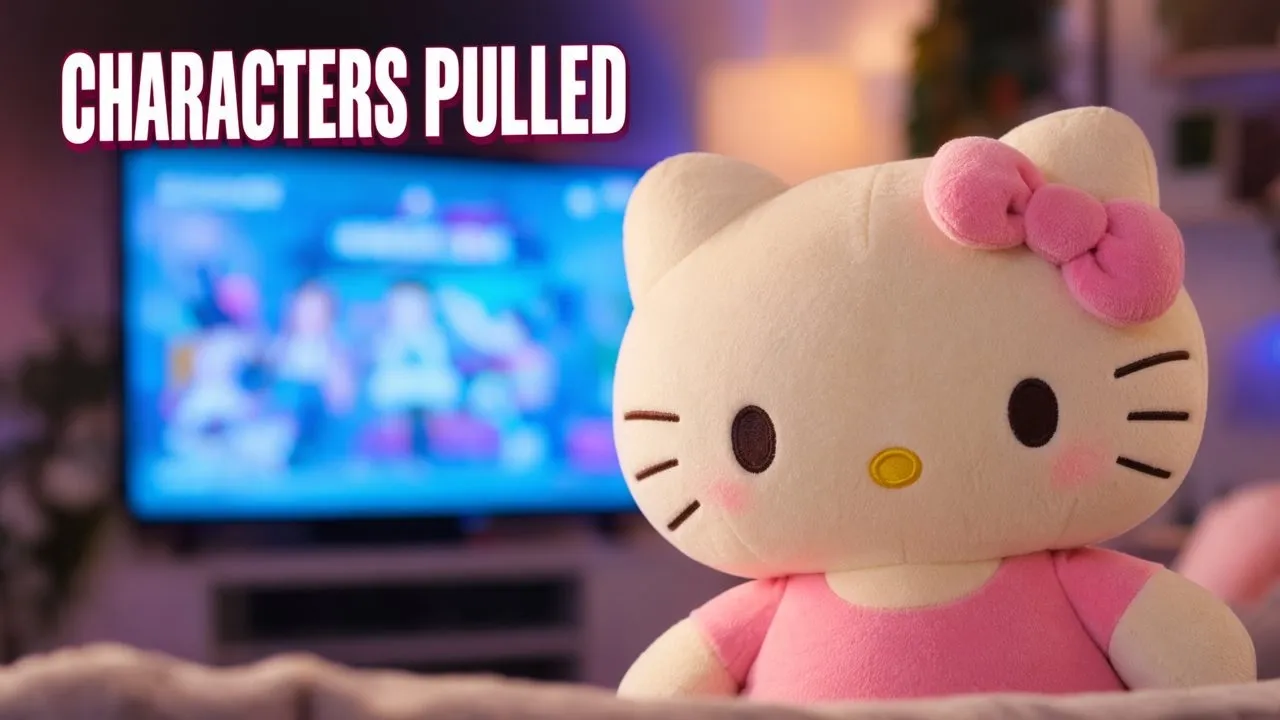
In a statement, Sanrio said it had received feedback from various quarters regarding the collaborative merchandise with the show, which it described as containing elements inconsistent with its core values.
The show, VIVANT, produced by Japanese broadcaster TBS and available on Netflix, centers on Japanese spies and a fictional Chinese intelligence agency that captures and tortures some of the spies.
Chinese state outlets, including CCTV, argued that the show's depiction of torture methods 'highly overlap' with those historically used by Japanese troops against the Chinese, and that the drama 'distorts the truth'.
Sanrio's decision comes amid a broader deterioration in Sino-Japanese relations, with China urging its citizens not to travel to Japan and throttling exports of rare earths to the country.
The backlash against Sanrio follows a similar incident involving football superstar Kylian Mbappé, who was dropped by Chinese sponsors after making a comment about Mao Zedong.
Sanrio said it would strengthen its review processes for future collaborations to ensure alignment with its corporate philosophy.
The company's characters, including Hello Kitty, My Melody, and Cinnamoroll, were featured in merchandise dressed as characters from the show, which has now been discontinued.
Sanrio's statement emphasized its commitment to fostering harmony among all people and promoting values such as care and connection.
The incident highlights the tightrope foreign companies must walk in the lucrative Chinese market, where any perceived slight can have significant repercussions.
Sanrio's sales in China were reported to be 9.8 billion yen ($62 million) in the first quarter, up almost 25 percent over the same period a year earlier.
The Chinese foreign ministry spokesperson said the incident should 'serve as a warning to the international community and discerning people in Japan'.
Sanrio's decision to terminate the partnership underscores the sensitivity of cultural and media content in the context of Sino-Japanese relations.
What this adds
The incident highlights the broader geopolitical tensions between China and Japan, which have escalated since Japanese Prime Minister Sanae Takaichi's comments on a potential military response to a hypothetical Chinese attack on Taiwan.
What's confirmed
- In a statement, Sanrio said it had received feedback from various quarters regarding the collaborative merchandise with the show, which it described as containing elements inconsistent with its core values.
- The show, VIVANT, produced by Japanese broadcaster TBS and available on Netflix, centers on Japanese spies and a fictional Chinese intelligence agency that captures and tortures some of the spies.
- Chinese state outlets, including CCTV, argued that the show's depiction of torture methods 'highly overlap' with those historically used by Japanese troops against the Chinese, and that the drama 'distorts the truth'.
- Sanrio's decision comes amid a broader deterioration in Sino-Japanese relations, with China urging its citizens not to travel to Japan and throttling exports of rare earths to the country.
- The backlash against Sanrio follows a similar incident involving football superstar Kylian Mbappé, who was dropped by Chinese sponsors after making a comment about Mao Zedong.
- Sanrio said it would strengthen its review processes for future collaborations to ensure alignment with its corporate philosophy.
- The company's characters, including Hello Kitty, My Melody, and Cinnamoroll, were featured in merchandise dressed as characters from the show, which has now been discontinued.
- Sanrio's statement emphasized its commitment to fostering harmony among all people and promoting values such as care and connection.
- The incident highlights the tightrope foreign companies must walk in the lucrative Chinese market, where any perceived slight can have significant repercussions.
- Sanrio's sales in China were reported to be 9.8 billion yen ($62 million) in the first quarter, up almost 25 percent over the same period a year earlier.
- The Chinese foreign ministry spokesperson said the incident should 'serve as a warning to the international community and discerning people in Japan'.
- Sanrio's decision to terminate the partnership underscores the sensitivity of cultural and media content in the context of Sino-Japanese relations.
What's still developing
- In a clip of a video interview with French show "The Bridge" -- since taken down -- Mbappe talked about being amused by an internet meme of his face photoshopped onto "some guy, think he's a Chinese dictator".
- The series reflects the "anti-China narrative of the current conservative Japanese right-wing administration, catering to the trend of right-wing extremism in Japanese society", it said.
- Masamine Ryuho, the president of Vivant's TV network TBS, said on Wednesday that the show was completely fictional and had no intentions of "disparaging any particular country".
- Relations between China and Japan have plunged since Japanese Prime Minister Sanae Takaichi said late last year that a hypothetical Chinese attack on the Beijing-claimed island of Taiwan could draw a military response from Tokyo.z China has urged its citizens not to travel to Japan and throttled exports of rare earths to the country, minerals vital to the manufacturing of everything from cars to weapons.
- Swaths of Japanese firms including Sanrio, however, are still reliant on the world’s second-biggest economy for sales.
- The state-run tabloid Global Times said the acts shown in the episode “bear striking similarities to the torture inflicted on Chinese nationals by invading Japanese troops” during the war, adding that the drama “distorts the truth by attributing these atrocities to modern Chinese characters”.
- In the second season of the popular spy thriller, produced by the Japanese TBS network, Masato Sakai plays a salaryman who is drawn into a web of international crime and espionage.
- It comes just days after Chinese sponsors dropped football superstar Kylian Mbappe over comments calling communist leader Mao Zedong a "dictator", which the Real Madrid forward later apologised for.
- "This should raise alarm amongst the international community and enlightened individuals within Japan."
- "My comment was ill-judged and I now understand that it hurt many people in China and in Chinese communities around the world."
- Sanrio said it had "decided to cease this collaboration, as well as all subsequent projects and promotional campaigns".
- Sanrio "stands to lose far more than short-term sales" by collaborating with "anti-China content", the Global Times article said.