
Home · World · Oct 29 archive
Netanyahu's Bloc Falls Short of Majority in Israeli Election
· Confirmed
In Short: Prime Minister Benjamin Netanyahu's bloc fell short of a parliamentary majority in Israel's election, according to final results released early Friday, leaving the country facing potentially difficult coalition negotiations.
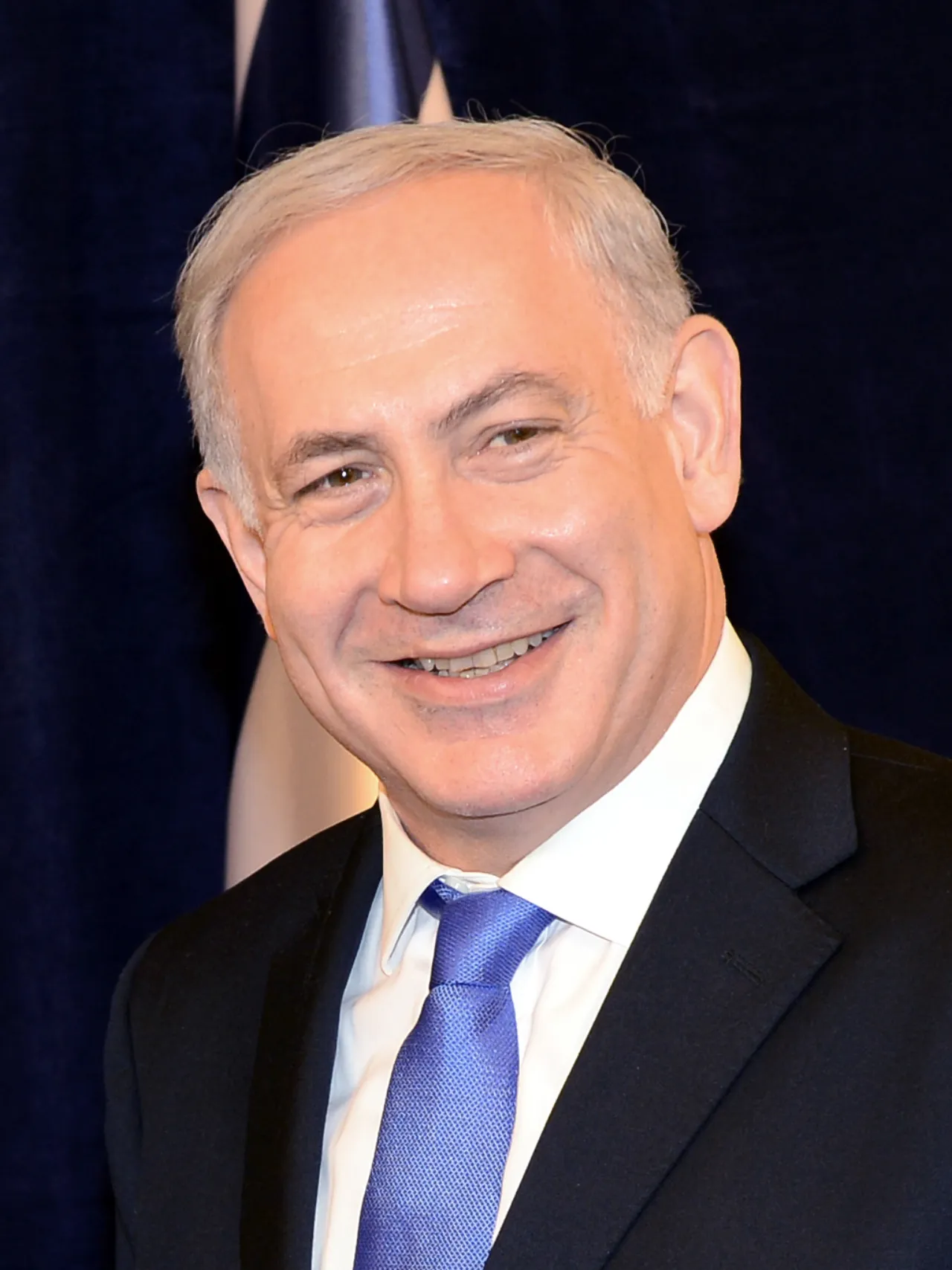
With approximately 42 percent of ballot boxes counted Wednesday morning, Netanyahu's bloc was projected to secure 57 seats in the 120-member Knesset — just four short of a majority — compared with 47 for the Jewish-led opposition and 16 for the Arab parties, according to Breitbart.
According to figures reported by Sky News on 28 October 2026, Netanyahu’s Likud-led bloc was projected to win 53 seats, while the opposition bloc led by former military chief Gadi Eisenkot was projected to secure 48 seats, with more than 85% of votes counted, as reported by Newsnote.
Addressing supporters at Likud headquarters in Jerusalem, Netanyahu declared that his party had secured the strongest electoral showing and called for a unified right-wing government.
“We are together and we are staying together,” Netanyahu reportedly told his coalition allies, according to Israel’s Channel 14.
The Arab parties will play a key role in the negotiations, as they hold a combined 16 seats and would be indispensable for forming a future government and thus avoiding new elections.
President Isaac Herzog urged parties to keep “an open mind” as more than 85 percent of ballots were counted and neither Netanyahu nor Eisenkot looked set to reach the 61-seat threshold.
Eisenkot's bloc, comprising Yashar, B'Yachad, the Democrats and Yisrael Beytenu, was projected to hold 48 seats, 13 short of a majority.
The former alternate prime minister called on opposition politicians ‘not to repeat the mistake’ of previous coalitions ahead of the upcoming elections this year.
Netanyahu lost. I know how to count,” he said in a statement calling for a government with Palestinians, who make up about 20% of Israel’s population. “We must no longer accept Netanyahu’s racist division between Jewish votes and Arab votes.
What this adds
Neither Netanyahu’s political bloc nor the opposition bloc led by Gadi Eisenkot secured a majority.
Partial results from Israel's general election show veteran Prime Minister Benjamin Netanyahu's bloc leading but still short of a parliamentary majority, complicating the path to forming a new government.
Background
Neither Netanyahu’s political bloc nor the opposition bloc led by Gadi Eisenkot secured a majority, according to the official results, as reported by CBS News.
Partial results from Israel's general election show veteran Prime Minister Benjamin Netanyahu's bloc leading but still short of a parliamentary majority, complicating the path to forming a new government, according to ABC News - Breaking News, Latest News and Videos and Thejc.
What's confirmed
- With approximately 42 percent of ballot boxes counted Wednesday morning, Netanyahu's bloc was projected to secure 57 seats in the 120-member Knesset — just four short of a majority — compared with 47 for the Jewish-led opposition and 16 for the Arab parties, according to Breitbart.
- According to figures reported by Sky News on 28 October 2026, Netanyahu’s Likud-led bloc was projected to win 53 seats, while the opposition bloc led by former military chief Gadi Eisenkot was projected to secure 48 seats, with more than 85% of votes counted, as reported by Newsnote.
- Addressing supporters at Likud headquarters in Jerusalem, Netanyahu declared that his party had secured the strongest electoral showing and called for a unified right-wing government.
- “We are together and we are staying together,” Netanyahu reportedly told his coalition allies, according to Israel’s Channel 14.
- The Arab parties will play a key role in the negotiations, as they hold a combined 16 seats and would be indispensable for forming a future government and thus avoiding new elections.
- President Isaac Herzog urged parties to keep “an open mind” as more than 85 percent of ballots were counted and neither Netanyahu nor Eisenkot looked set to reach the 61-seat threshold.
- Eisenkot's bloc, comprising Yashar, B'Yachad, the Democrats and Yisrael Beytenu, was projected to hold 48 seats, 13 short of a majority.
- The former alternate prime minister called on opposition politicians ‘not to repeat the mistake’ of previous coalitions ahead of the upcoming elections this year.
- Netanyahu lost. I know how to count,” he said in a statement calling for a government with Palestinians, who make up about 20% of Israel’s population. “We must no longer accept Netanyahu’s racist division between Jewish votes and Arab votes.
What's still developing
- Record voter turnout and early exit polls leave neither major political bloc with a clear path to a governing majority.
- The unusually high participation prompted election officials to streamline voting procedures and assure voters that anyone arriving at a polling station before the 10 p.m. deadline would be allowed to cast a ballot.
- Israel's final election results confirmed Prime Minister Benjamin Netanyahu’s bloc lost its parliamentary majority and that weeks of difficult negotiations among very different parties, from ultra-Orthodox Jewish to secular to Arab-led, lie ahead.
- RELATED STORY | Trump endorses embattled Israeli Prime Minister Benjamin Netanyahu for reelection Already, hundreds of Israelis have been holding rallies urging Eisenkot and others to join forces with the Arab-led parties, a step that has happened only once before, briefly, in 2021.
- Outgoing opposition leader Yair Lapid says talks are taking place behind the scenes to form a new government Prime Minister Benjamin Netanyahu’s bloc maintained its lead over the opposition in Israel’s election, securing 53 seats in the next Knesset, according to the final vote count released by the Central Elections Committee on Thursday.
- One possibility is a minority government that could win a Knesset confidence vote without holding an absolute majority of 61 seats, potentially relying on support from Arab parties.
- And it is precisely those politicians who spent the election campaign dismissing each other’s ability to govern who may now find themselves dependent on one another.
- The election, described as among the most consequential in decades, recorded turnout at a record level.
- Benjamin Netanyahu is set to remain Israel’s caretaker prime minister as the country awaits final election results, with neither his bloc nor its main rival securing the parliamentary majority needed to form a government.
- Tuesday’s elections – the first since the October 7, 2023, attacks on southern Israel and the start of Israel’s genocidal war on Gaza – were widely seen as a referendum on Netanyahu’s premiership.
- Opposition bloc and Netanyahu’s coalition predicted to fall short of 61 seats needed to form a government, while Palestinian parties set for big gains Analysis: Rise of Palestinian parties will redraw political landscape Opposition bloc and Netanyahu’s coalition predicted to fall short of 61 seats needed to form a government, while Palestinian parties set for big gains Analysis: Rise of Palestinian parties will redraw political landscape Israel’s future hangs in the balance as it has become clear that Benjamin Netanyahu has lost his governing majority.
- To remove any doubt, Liberman stressed that he would not support a minority government even for a brief transitional period — a maneuver that would theoretically allow the anti-Netanyahu “change bloc” to take control of the Knesset and government ministries during the crucial first months after the election.